
Washing satin in a washing machine
 It's hard to imagine life without textiles these days. Satin is a leading choice. But to ensure your items don't expire prematurely, you need to know how to properly care for them. This especially applies to washing!
Automatic cleaning
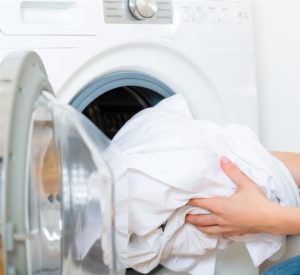
Every experienced housewife knows that washing satin in the washing machine requires following simple rules. First, ensure there are no stubborn stains on the garment. If any are found, remove them by hand with a mild stain remover before washing. Sort the laundry. Wash whites separately from coloreds.
Turn items inside out. If they have buttons or zippers, fasten them! The hardware can damage items when they're in the washing machine. It's best to wash items without zippers separately.
Only fill half the washing machine drum with dry laundry. When wet, satin expands in both size and weight. More space will prevent clumps from forming, and items will rinse better. If you plan to wash natural and synthetic fabrics together, place satin items in special protective covers. This will prevent deformation and friction between materials of different textures. Once the laundry is prepared, there are a few more important points to consider when washing satin in a washing machine.
- The labels on satin items contain instructions on the best washing temperature, as satin types vary depending on their composition. A temperature between 40 and 60 degrees is considered optimal.0WITH.
It is strictly forbidden to boil satin!
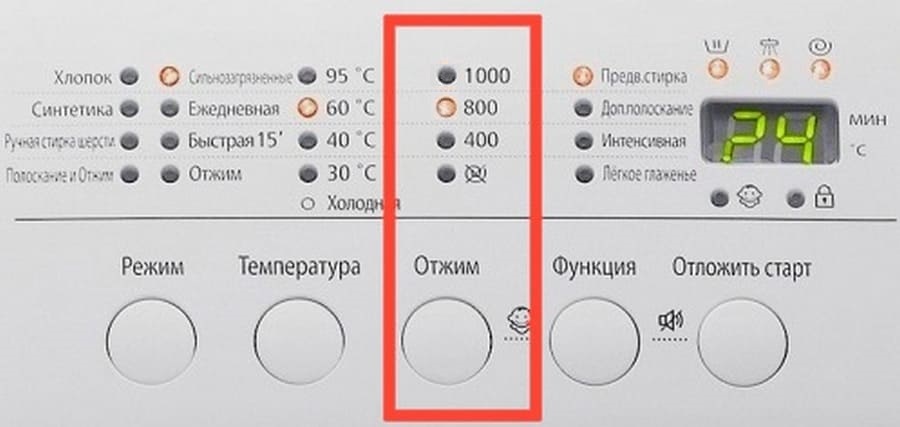
- The number of revolutions for different types of fabric is specified in the programs of most modern washing machines. For satin, the rinse and spin cycle is appropriate – 600-800 rpm.
- There's a wide range of detergents for satin items. These include powders, gels, and capsules for specific fabric types. You can use any detergent for delicates and even baby clothes. However, it's crucial that they don't contain chlorine-based bleaching agents, as they damage the structure of the fabric.
- To make your clothes soft and fragrant, you can add fabric softener.
How to dry?
Only for some types of satin is it possible tumble dryIn other cases, to avoid damaging the fabric, this option should be avoided. The ideal way to dry satin items is to hang them outdoors, avoiding direct sunlight. However, in urban areas, this isn't always feasible. Therefore, drying items is often necessary either on closed balconies or indoors. However, a few simple rules should be followed: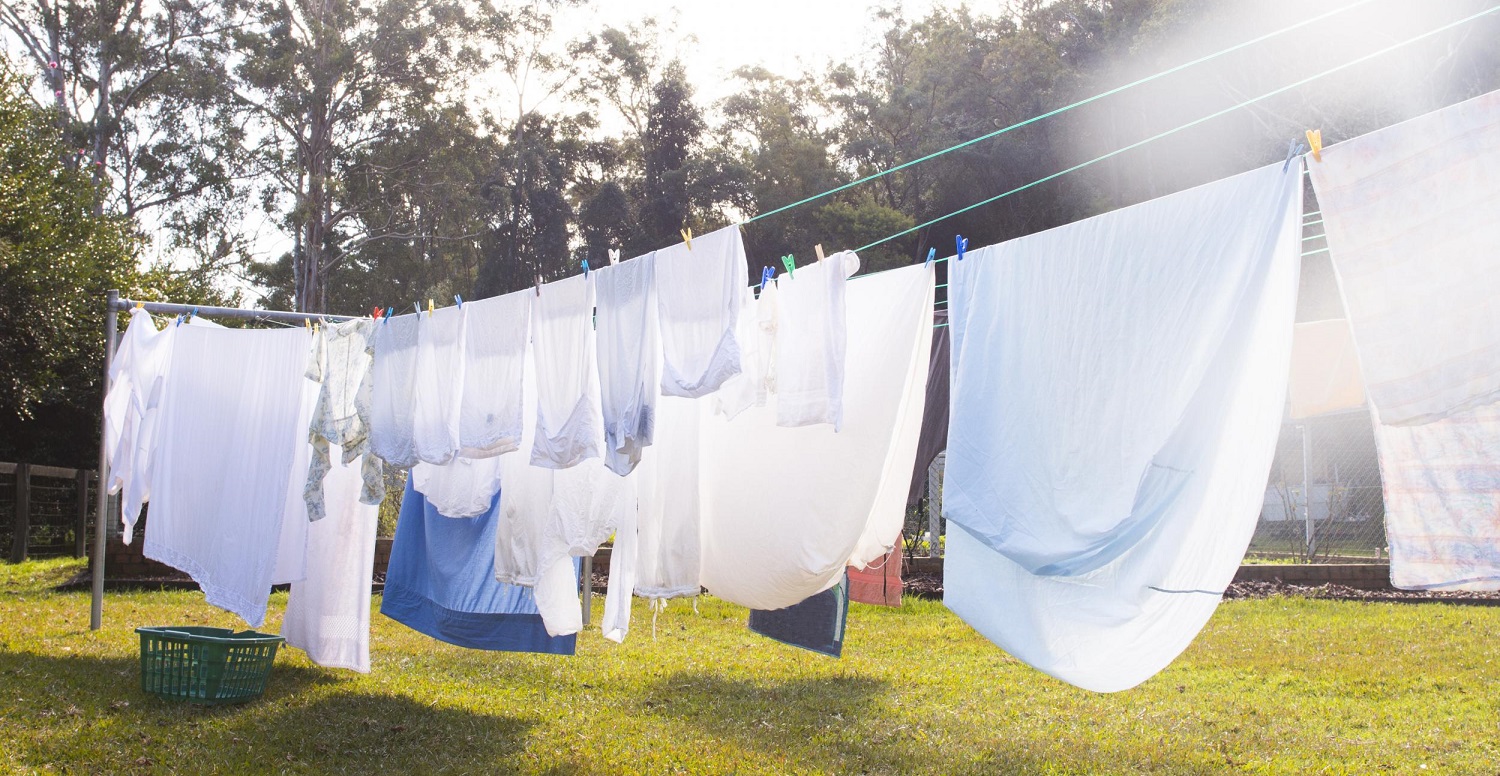
- Satin products are dried at normal room temperature;
- Dryers or clotheslines should not be placed near heating devices; the distance between them should be at least 1.5–2.0 m.
- The drying process should not be accelerated by using an iron or hair dryer.
Fabric characteristics
Satin, a type of cotton fabric, is smooth, soft, and silky to the touch. Its double weave makes it durable and easy to wash. It's breathable, absorbs moisture (hygroscopic), and hypoallergenic. Items made from this fabric retain their shape for a long time.
Shrinkage of high-quality satin is practically unnoticeable. This is especially true if synthetic threads are added to natural fibers. At the optimal temperature (2000C) The items are easy to iron. A special protective layer of dye fixative preserves the vibrancy of the pattern on the material and prevents it from fading. If properly cared for, the fabric does not "pill," meaning it will not form lumps on the surface.
At a more affordable price, satin is comparable in quality to silk. This is why the fabric is so popular: it's used to make not only bed linens, tablecloths, trousers, shirts, but even evening dresses.
Interesting:


Readers' comments
Headings
Washing machine repair




For buyers




For users


Dishwasher




Add a comment