
How to wash a wool coat in a washing machine?
 Wool outerwear looks elegant and luxurious, but it requires proper care. While regular dry cleaning can refresh the material, removing stubborn stains like blood, grease, or paint requires a deeper clean. Dry cleaning is ideal, but if that's not possible, you'll need to wash your wool coat in a washing machine. Below, we'll explain in detail how to do this without damaging the garment or the washing machine itself.
Collecting information about washing
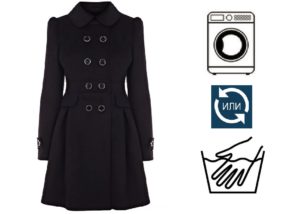
We have to disappoint you – there is no universal “recipe” for flawless washing of all wool coats. It all depends on the specific item, the quality of its execution and the parameters set by its manufacturer.The latter are the ones you should focus on—they're always indicated on the tag attached to the garment's lining. If the tag doesn't depict a basin with a hand inside, machine washing is permitted. Also, look for information on the permissible temperature. All this will help minimize risks and protect the garment from damage.
But sometimes the coveted tag is missing. In that case, you need to carefully inspect the item and determine what material it's made of. Then, choose the appropriate washing method.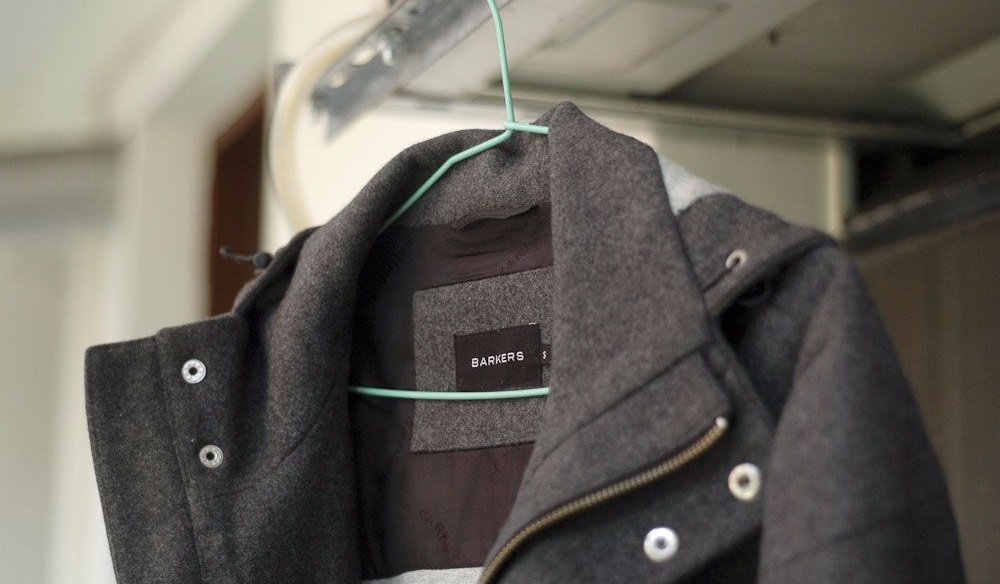
- Faux wool. Washing a wool coat is possible, but certain rules must be followed. First, select specialized detergents. Second, use only a hand/delicate cycle with the spin cycle disabled. Third, do not allow the water temperature to exceed 40 degrees Celsius. We pay special attention to all-wool items, as they are recommended to be washed in cold water, with a maximum temperature of 30 degrees Celsius.
Natural wool should not be washed: this material should not be wet.
- Polyester. The safest option, as it's easy to clean and tumble-wash-resistant. Simply select a delicate cycle and set the water temperature to 40 degrees Celsius.
- Cashmere. Machine washing is strictly prohibited for cashmere items. Even a gentle wash in cold water with a minimum spin cycle will cause deformation and damage. It's best to address the stain locally and try to clean the affected areas, or, as a last resort, hand wash only for severe stains. Use a special wool detergent; water temperature should not exceed 30 degrees Celsius (86 degrees Fahrenheit), and rinse thoroughly after washing.
- Drape. This material is not suitable for machine washing, and placing a drape coat in the washing machine drum is strictly prohibited. Even a delicate cycle will permanently damage the beautiful material, so stains should only be removed by hand. Ideally, spot-cleaning is recommended. To do this, fill a basin with cold water up to 30 degrees Celsius, gently apply a special gel to the affected areas, and rinse thoroughly. Do not wring or twist the product too much, and it is better to avoid the glued areas and not get them wet.
Washing a coat without ruining it is easy – just follow the manufacturer's recommendations. It's equally important to consider the material the coat is made of. Also, remember that even the safest washing will negatively affect the garment's appearance if repeated, so try to avoid contamination and, whenever possible, use a safer cleaning method – dry cleaning.
Basic washing recommendations
If you're desperate to remove stains from a wool garment, it's best to follow the manufacturer's recommended cleaning procedures. However, in addition to the instructions on the coat's tag, there are a few general rules to follow to ensure your outerwear stays clean without shrinking, warping, or damaging it.
- Evaluate the naturalness of the item. Everyone knows that the more natural fibers a coat contains, the higher the risk that machine washing will negatively impact the material. The same applies to natural fur: if the garment has a fur collar or inserts, it's best to remove them, wrap them in plastic wrap, or clean off any stains by hand.
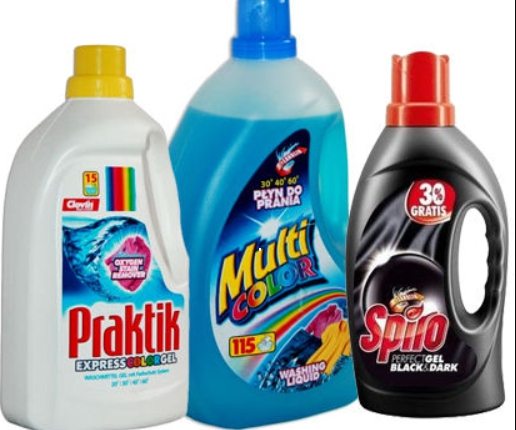
- Don't skimp on detergent. Using the first powder you find can ruin your favorite coat. Choose special gels designed for gentle cleaning of woolen items. Pay close attention to the color scheme—colored, white, or dark. The more nuances you consider, the lower the risk and the more effective the result.
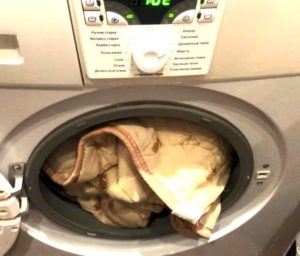
- Prepare the item for loading into the drum. Be sure to check all pockets and the lining to ensure that forgotten pieces of paper, keys, or coins haven't fallen into the drum, causing a blockage or damaging the coat itself. Also, be sure to turn the garment inside out and fasten buttons, zippers, and rivets. It's best to place the coat in a special protective bag.
You can select the “Delicate Wash” or “Wool” program.
- Protect the glued areas. Exposure to water, especially hot water, will inevitably cause the glue to delaminate and soften, leading to a loss of viscosity. The result is simple but unpleasant: the coat will fall apart.
- Focus on the quality of the item. Remember that woolen materials are often dyed with low-quality dyes to reduce production costs, which easily wash out with prolonged exposure to water. Machine washing will easily cause color loss, and the coat will look significantly worse.
If you forget these basic guidelines, you could end up with a colorless and shapeless coat instead of a stylish one. So, we recommend weighing the pros and cons carefully before throwing wool into the dryer. It's often better to take it to a dry cleaner or hand wash instead of a washing machine. This will take more time and effort, but the risks will be minimal.
How to dry?
Even a perfectly performed wash of a wool coat at home can be in vain if the item is not dried correctly. Delicate materials must not be twisted, wrung out, or hung vertically on regular clothespins. To avoid spoiling the result, you must follow the following principles:
Drying woolen items in a tumble dryer is prohibited!
- do not use an artificial heat source; the ideal place to dry a coat is a ventilated room or open air (but not in direct sunlight);
- Place it on a horizontal surface, for example, lay out a floor drying rack and carefully throw your coat on it; due to free air circulation, the item will dry faster;
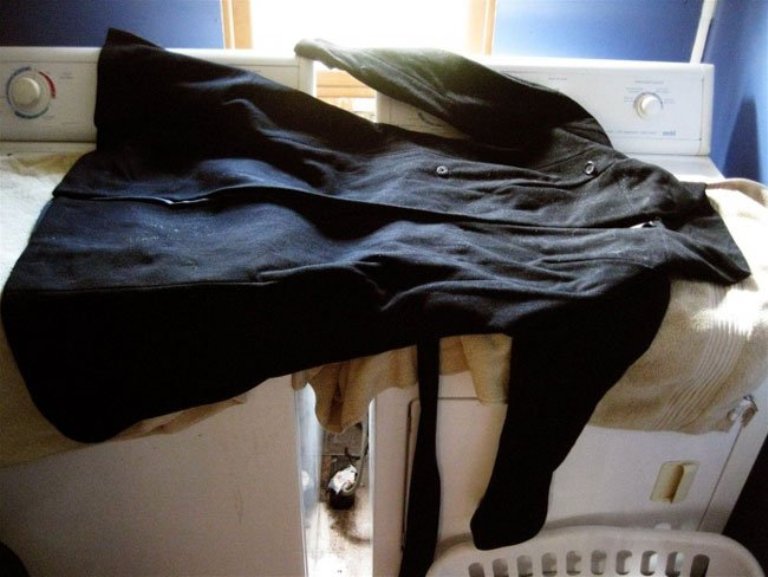
- Monitor the process; it is recommended to regularly "check" the wool product, give it the desired shape in advance, and straighten the material if necessary.
Proper drying procedures can also be helpful. A well-chosen detergent with a special conditioner will soften the material, maintain its shape, and prevent shrinkage or stretching.
Interesting:
Readers' comments
Headings
Washing machine repair




For buyers




For users


Dishwasher




Add a comment