
How to wash school uniforms in a washing machine?
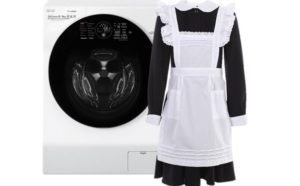 School uniforms need to be washed frequently. Kids will be kids, and sometimes even after one or two wears, the uniform needs to be refreshed. If not properly cared for, pilling and whitish stains can appear on the dense fabric. To ensure the uniform retains its appearance for as long as possible, follow a few care guidelines. Let's find out whether it's machine washable and how to ensure gentle cleaning.
Basic requirements
Keeping a school uniform in order requires a lot of time and effort. A washing machine makes life easier for parents. Let's find out whether it's safe to load uniforms into the drum and whether machine washing can damage clothes.
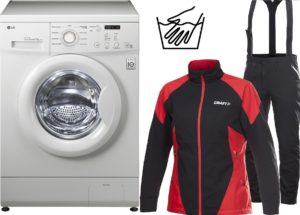
Be sure to read the item's label, which indicates the permissible washing method, temperature range, and recommendations for drying and ironing.
When washing your student uniform, please follow these rules:
- Before loading items into the drum, inspect the pockets;
- fasten buttons, snaps, zippers, turn clothes inside out;
- Trousers, dresses and skirts for schoolchildren are usually made from combined fabrics with the addition of wool, so it is important to set the appropriate washing program;
- the water heating temperature should not exceed 30°C;
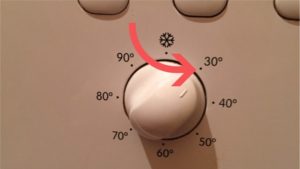
- White shirts, turtlenecks and blouses made of cotton are washed separately from trousers and skirts, on the appropriate setting;
- Stubborn stains from white shirts can be removed with a mild oxygen bleach;
- If thick, dark fabrics are heavily soiled, pre-treat the affected areas with laundry soap before loading them into the drum. If that doesn't help, use a stain remover.
If the stain can't be removed with a mild stain remover, avoid using harsher cleaners, as they can damage the fabric. In this case, it's best to take the uniform to a dry cleaner. They'll remove the stain without damaging the fabric.
Washing a jacket
While trousers, skirts, and sundresses can be washed in the washing machine without any problem, blazers are a bit more challenging. Blazers have a distinctive shape, which is created during production. A special ironing process creates creases in the material. The seams are also ironed in a special way at the factory, allowing the jacket to fit perfectly.
When machine washed, the “correct” creases created at the factory become wrinkled, and the blazer gradually loses its shape. Experts recommend hand washing jackets to preserve the garment's appearance. After gentle hand washing, the factory iron will not be damaged.
Jackets made from more than 80% wool are strictly prohibited from being machine washed.
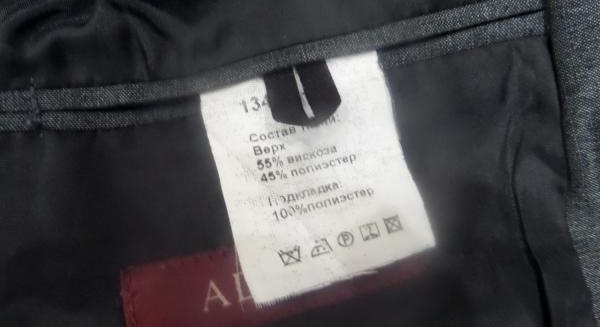
A wool blazer won't survive prolonged exposure to water. Machine washing will not only ruin the ironing, but also cause the jacket itself to shrink several sizes. To preserve the garment, dry cleaning is recommended.
If the label has the machine wash symbol, you can wash your jacket in the washing machine. Keep these basic rules in mind:
- choose the most gentle program, usually delicate or hand wash, “Wool” mode;
- the water heating temperature should not exceed 30°C;
- turn off the automatic spin cycle, this will help avoid deformation of the item;
- Don't wring your blazer. Simply lay it flat, straighten it thoroughly, and let it dry.
It's best to hang the jacket on a hanger while it's still damp. This will allow the fabric to straighten naturally. Steaming the blazer after washing is also recommended.
Ironing
After washing and drying the school uniform, all that's left to do is iron it. This will ensure the suit looks neat and smart. If the jacket is properly dried, no ironing is required.
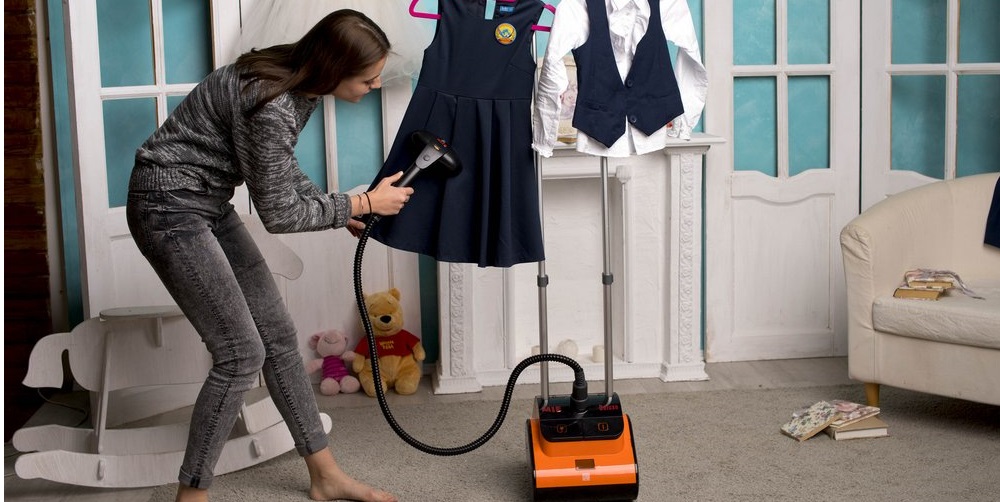
To iron trousers, a sundress or a skirt, you need to set the iron to the wool setting. School uniforms should be ironed while still slightly damp, on the inside out. The arrows need to be formed through a layer of wet gauze.
If you need to iron a jacket, follow the same recommendations. Turn the garment inside out and iron it through a thin layer of cheesecloth.
Removing difficult stains
It's important to choose the right laundry detergent for school clothes. It's best to buy a special detergent for delicate fabrics. Powders don't dissolve well in cool water and don't rinse completely out of the fibers, which can be dangerous for a child's health.
Stubborn stains are often found on school trousers, jackets, or skirts. These are typically grease stains or lines drawn with a ballpoint pen. How can you tackle these stubborn stains yourself?
- Pen stains from wool-blend fabrics can be removed with rubbing alcohol. You can also use specially purified lighter fuel. Soak a cotton pad in the solution and wipe the stained area. Then wash the item.
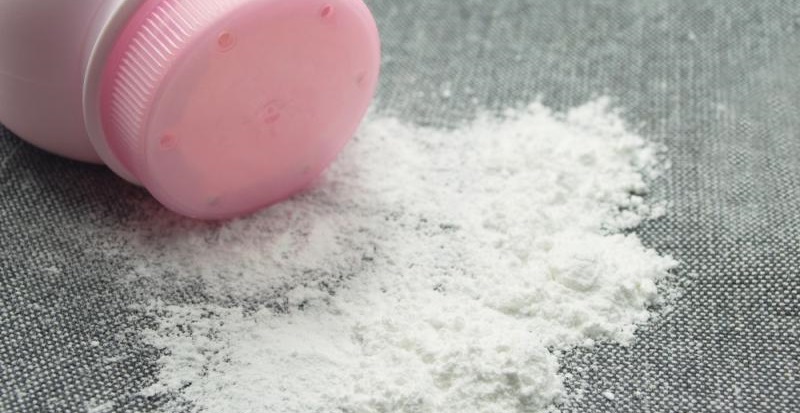
- Grease stains can be removed with talc. Sprinkle the mineral on the stain and iron it through a piece of paper. Place the paper on both sides of the fabric. You may not achieve results the first time, so repeat the process.
- Grease from a mold can also be removed with a solution of ammonia and salt. Mix 3 tablespoons of rubbing alcohol and 1/2 teaspoon of salt and apply the resulting solution to the stain. Wash the item after half an hour.
- Sweat stains are easily removed with a salt solution. Dissolve 2 tablespoons of salt in a liter of water, soak the garment in the solution, and then wash as usual.
- Salt can help remove fruit and juice stains. Simply wet the salt and apply it to the stained area, leave it for half an hour, and then wash the garment.
When purchasing laundry detergent and stain removers at the store, choose formulas that don't contain harsh ingredients. Overly strong household chemicals can not only damage the fabric but also cause an allergic reaction in your child.
Interesting:
Readers' comments
Headings
Washing machine repair




For buyers




For users


Dishwasher




Add a comment