
Washing a tablecloth in a washing machine
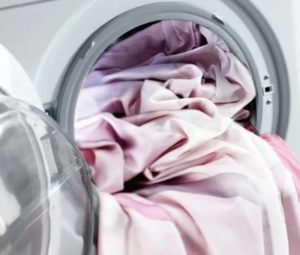 Buying a washing machine makes life easier – you can throw almost any item in the drum, and after 30-40 minutes, you'll have perfectly clean fabric. However, the results aren't always so predictable, as many materials don't tolerate aggressive spin cycles and high heat, especially when it comes to tablecloths. Let's explore whether tablecloths can be machine washed and how to do it properly. We'll focus on the type and color of the fabric.
Flax
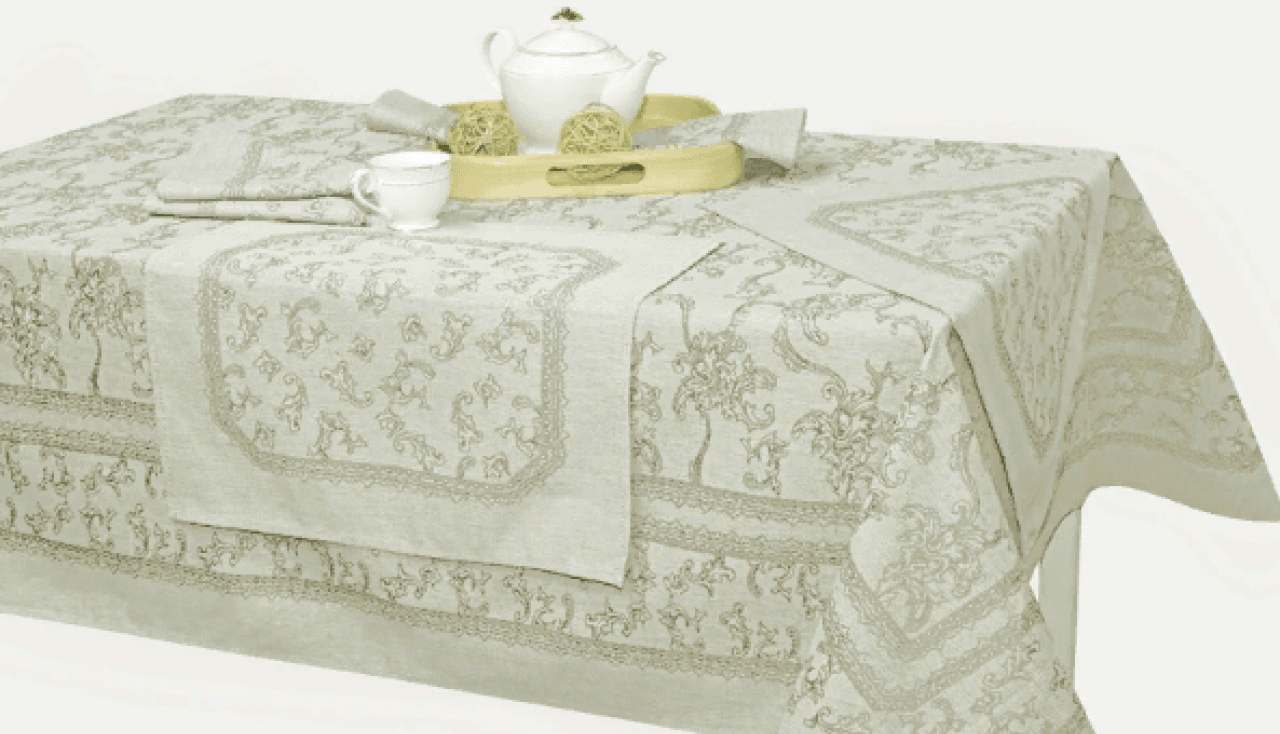
Linen tablecloths are attractive due to their aesthetic appeal, harmoniously blending into Scandinavian and minimalist interiors. However, this beautiful fabric is very demanding to care for: it shrinks significantly, dries out too quickly, is difficult to iron, and requires special care. If you don't mind the challenges ahead, you can reduce the risks by following simple washing guidelines for linen items. Here are a few recommendations:
- Stains from wine, fruit and berries that have ingrained into linen can be removed using ammonia or a soda solution (when 1 teaspoon of soda is added to a glass of water);
- If red wine is spilled on a linen tablecloth, you should immediately sprinkle it with salt;
- Before washing in a machine, linen is soaked in a milk-water solution;
- tea and coffee stains can be removed without a trace using glycerin-based soap;
- when the fabric has turned yellow, it should first be boiled in salt water, and after the main wash, dried in the sun;
- Natural linen can be washed with a gel detergent - powder mixtures dissolve poorly and remain as grains in the structure of the material;
- in the washing machine, select the “Delicate”, “Wool” or “Hand Wash” program, but it is better to wash by hand;
- water should not be heated above 40 degrees, otherwise the linen fabric will shrink and become too dry;
- reduce the spin to a minimum;
- Linen can only be ironed in the “Steaming” mode.
Linen can be washed at temperatures up to 40 degrees and with minimal spinning.
So, to machine wash a linen tablecloth, simply follow these simple instructions. Place the tablecloth in the drum, along with other similar items. Pour a suitable helium solution into the dispenser, select the "Delicates" or "Wool" program, and set the temperature to 30-40 degrees. Don't forget to reduce the speed and turn on the double rinse function. That's it, we start the cycle and wait for it to complete.
Knitted item
A knitted tablecloth is attractive due to its delicate patterns, but it quickly accumulates dirt. It's best not to wash it frequently, and it's best to avoid the washing machine. Knitted fabrics prefer to be hand-washed, gently and carefully.
There are a few more rules that will help the knitted fabric retain its original shape and color: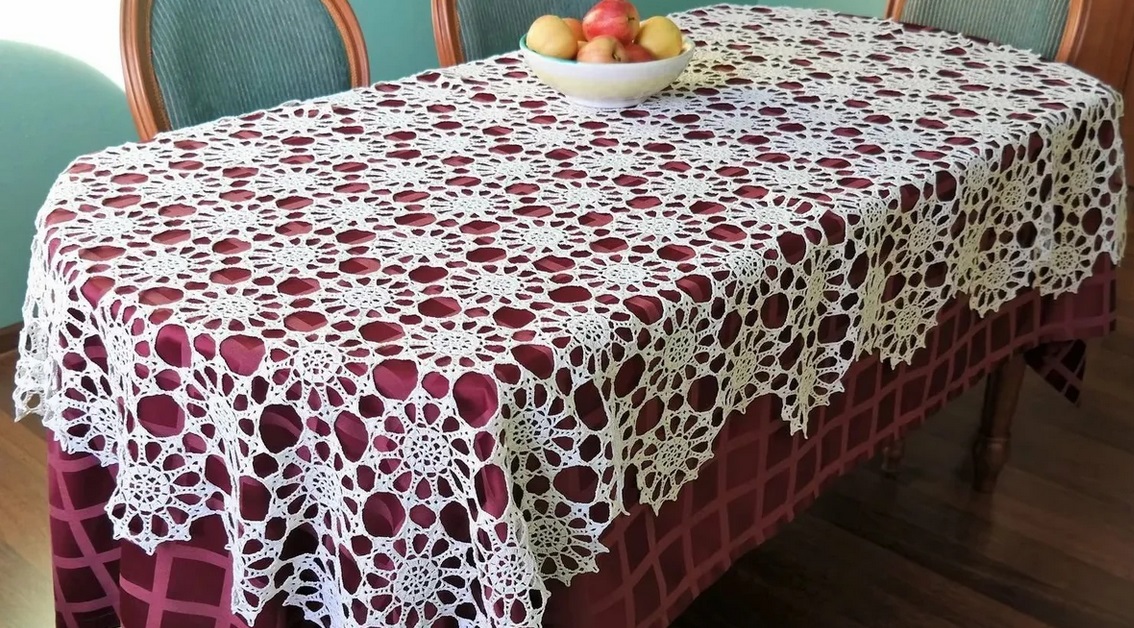
- wash knitwear separately from other items;
- do not rub, but soak in a simple soap solution for about half an hour;
- do not heat water above 60 degrees;
- rinse thoroughly;
- Do not iron – knitted items turn yellow when ironed, especially if the threads are white.
It is strongly recommended not to wash knitted napkins in the washing machine!
Knitted items don't like automatic washing machines: they stretch out disproportionately and become dull. Hanging them vertically will also negatively impact the knitting—it's best to dry the tablecloth directly on the table or another flat, horizontal surface.
Synthetic and blended tablecloths
Synthetic tablecloths have undeniable advantages: they are cheaper, easy to care for, and just as beautiful as their natural counterparts. Blended fabric is especially suitable for those who like to wash quickly, because there are no special requirements for washing such items. It's all very simple:
- It is allowed to wash the fabric both in the machine and by hand;
- the fabric does not require any special products – any available cleaner will do;
- stains practically do not penetrate into the fibers, which allows you to quickly wash out difficult stains;
- Synthetics dry quickly and do not require careful ironing.
Step by step, here's how to do it: Wash out stubborn stains with soap and throw the item into the drum. Pour any detergent into the detergent drawer, select the Quick or Synthetic cycle, set the spin speed to 800-1000°C, and set the temperature to 30-40°C.
If the fabric is embroidered
When light-colored fabrics have embroidery, cleaning them becomes much more difficult. The problem is that colorful patterns, especially bright, contrasting colors like red, orange, and purple, can stain nearby areas and ruin the entire tablecloth. To avoid any mishaps, remember to take the following precautions: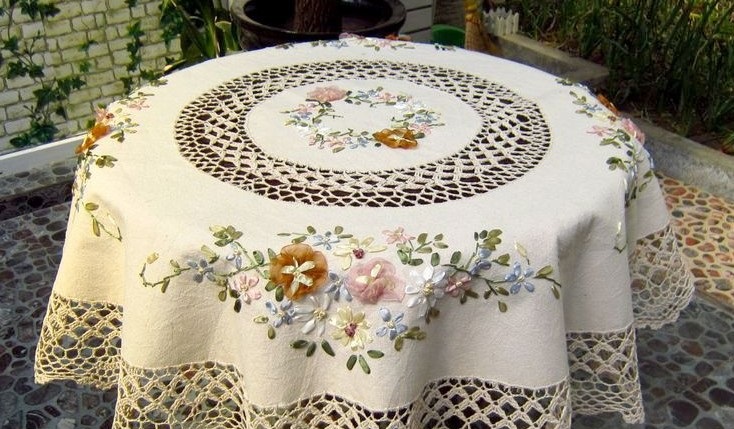
- set the temperature to 40 degrees;
- do not put other items in the drum, otherwise there is a high risk of staining the fabric;
- choose a non-aggressive detergent;
- dry in one layer (do not place other fabrics on the embroidery, including the tablecloth itself).
Tablecloths should only be dried horizontally – it’s better to lay them out on the table and leave them untouched until they are completely dry.
If the embroidered tablecloth is Teflon-impregnated, avoid ironing. Dry it outdoors and turn off the automatic spin cycle. Silk should also not be spun; be sure to use special gel-based solutions and keep the iron below 120 degrees Celsius.
How hot should the water be?
Washing requirements are determined entirely by the type and color of the tablecloth's fabric. The material primarily determines the acceptable temperature range. Most tablecloths can be washed at up to 40 degrees Celsius, but there are some exceptions. In more detail, the list is as follows: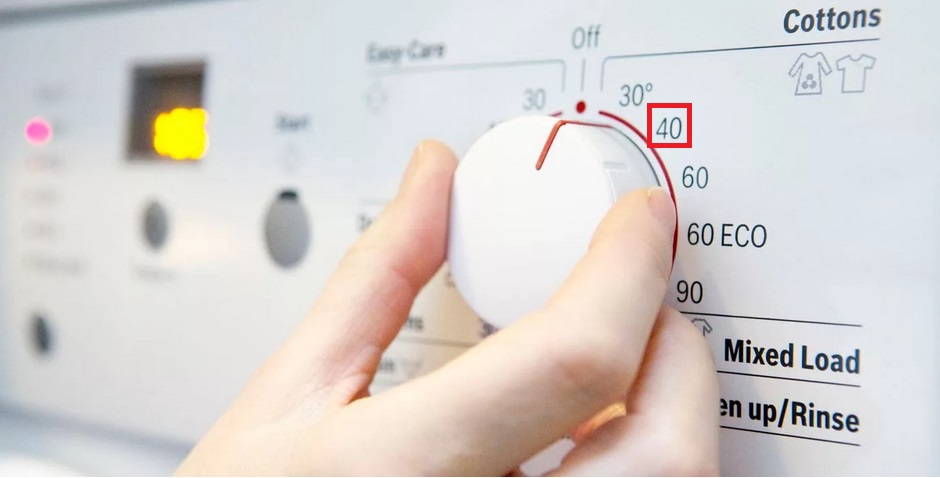
- acrylic washes off perfectly when water is heated to 30-40 degrees;
- To avoid fading and fading, it is recommended to wash colored fabrics at 40 degrees;
- to bleach light-colored items, a temperature of 50-90 degrees is required;
- cotton does not deteriorate when water is heated to 60 degrees;
- silk is one of the most sensitive materials, it can only be washed on a delicate cycle and at a maximum temperature of 30-40 degrees;
- For linen fabrics, 40 degrees is enough.
Teflon-coated tablecloths should only be cleaned by hand.
Almost all types of tablecloths can withstand machine washing without loss. Vinyl, linen, cotton, acrylic and even silk fabrics can be cleaned in the machine without any problems. The only exceptions are knitted items and Teflon-coated fabrics. These are best refreshed by hand and with extreme care.
Choosing a powder
The detergent you choose also depends on the fabric. If the garment has a Teflon coating, choose laundry soap, baby powder, or dishwashing gel. This will prevent damage to the protective layer and remove stains without a trace.
Linen doesn't like harsh chemicals like chlorine, but it does appreciate fabric softeners and rinses. Folk remedies like potassium permanganate, hydrogen peroxide, or ammonia are also acceptable. For stubborn stains, oxygen-based bleaches can be used on whites, and commercial stain removers can be used on colors.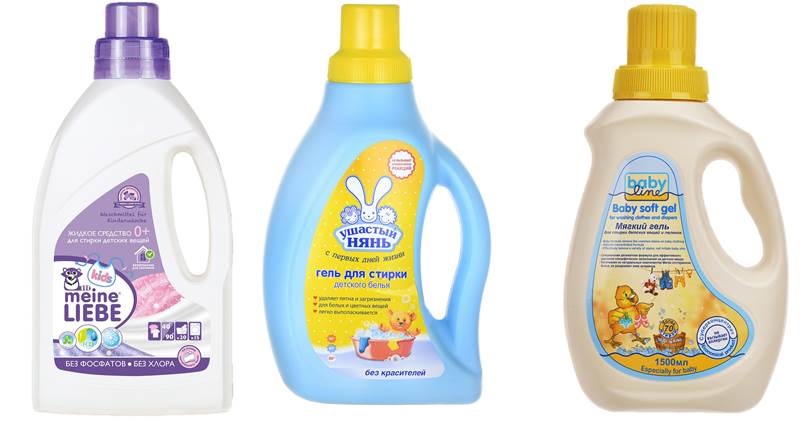
Don't sprinkle powder on knitted fabric, otherwise the granules will become stuck in the pattern and won't dissolve. It's also a good idea to add something to soften the fibers, such as glycerin, fabric softener, or vinegar. Silk items have similar requirements, requiring gel-like compounds and softness.
Cotton can be cleaned with any cleaning powder. If the stains are very old and stubborn, add hydrogen peroxide or citric acid. Dishwashing gel or salt paste treatment are effective against grease. We leave the last one for a few minutes and wash it off the surface of the tablecloth.
Interesting:


Readers' comments
Headings
Washing machine repair




For buyers




For users


Dishwasher




Add a comment