Beautiful, stylish, and unique items with reflective surfaces will delight their owners for a long time if properly cared for. Let's find out whether machine washing is acceptable or whether hand washing is better for reflective clothing. What recommendations should be followed?
How to care for a reflective jacket?
You can find out how to properly wash a reflective jacket by looking at its label. The label contains basic care instructions for the product. In some cases, the manufacturer only allows dry cleaning and steaming of the item, in others - a full wash.
If the label says your reflective jacket is washable, here are a few tips to consider.
Wash reflective items separately. Avoid throwing jeans, other rough items, or materials prone to fading into the washing machine with reflective clothing.
Before washing, wipe the reflective coating with a damp cloth. This will remove dust and dirt from the surface.
Empty your pockets, fasten zippers, buttons, and Velcro.
Turn the jacket inside out.
It is preferable to wash reflective items by hand; machine washing is only permitted for abrasion-resistant materials from reputable manufacturers.
If the manufacturer allows machine washing, it is important that:
the water heating temperature did not exceed 30°C;
the spin was turned off;
washing was done on hand or delicate cycle;
Liquid detergents developed specifically for delicate fabrics were used.
When washing clothes with a reflective coating, it is prohibited to use dry powders and detergents based on alkaline solutions. Also, do not use products containing bleaching agents, stain removers or conditioners. Household chemicals should be neutral.
To ensure streak-free results, rinse your clothing thoroughly with water. Dry your reflective jacket on a hanger. Smooth out any wrinkles and place the garment in the shade, away from direct sunlight.
Why wash a jacket with vinegar?
If time permits, it's best to rinse your reflective jacket in a weak vinegar solution after washing. This will remove any detergent residue from the material, resulting in streak-free results. It will also reduce the synthetic fabric's tendency to accumulate static electricity.
You can also treat the reflective coating with a mixture of vinegar and baking soda. Combine the substances in a ratio of six to one. This solution will soften the material and eliminate unpleasant odors.
Features of reflective jackets
Reflective clothing is at the peak of popularity today. The range includes jackets, pants, and dresses made from materials that reflect light. Items come in a variety of brightness levels, from dim to extremely bright.
Reflective fabric has a gray tint in daylight. When exposed to direct light, it glows white. Reflective materials are used not only for aesthetics but also for safety—at night, people wearing such clothing are highly visible on the road.
Reflective gray is a basic color, so it pairs well with any wardrobe item. A reflective jacket can be worn with both classic trousers and a bright skirt, making it truly versatile. The darker the gray, the less intensely it will glow when exposed to direct light.
Reflective materials have long been used in the light industry for sewing:
work uniforms and special clothing;
children's overalls;
jackets, down jackets;
stage costumes;
sports uniform;
swimsuits;
cocktail dresses.
Reflective materials are also commonly used to make decorative stickers for strollers, scooters, and shoes. Reflectors are also used in the production of projector screens, advertising banners, and other items. Today, such fabrics are used to make pants, shorts, bags, tops, and other everyday items.
To preserve the reflective coating, it's important to properly care for the material. It's best to hand wash such clothing. If the manufacturer allows machine washing, you can throw the item in the washing machine. Just be sure to set the lowest temperature, select the delicate cycle, and turn off the spin cycle.

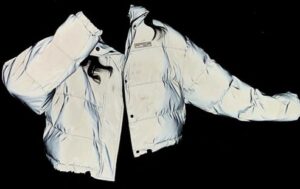 Beautiful, stylish, and unique items with reflective surfaces will delight their owners for a long time if properly cared for. Let's find out whether machine washing is acceptable or whether hand washing is better for reflective clothing. What recommendations should be followed?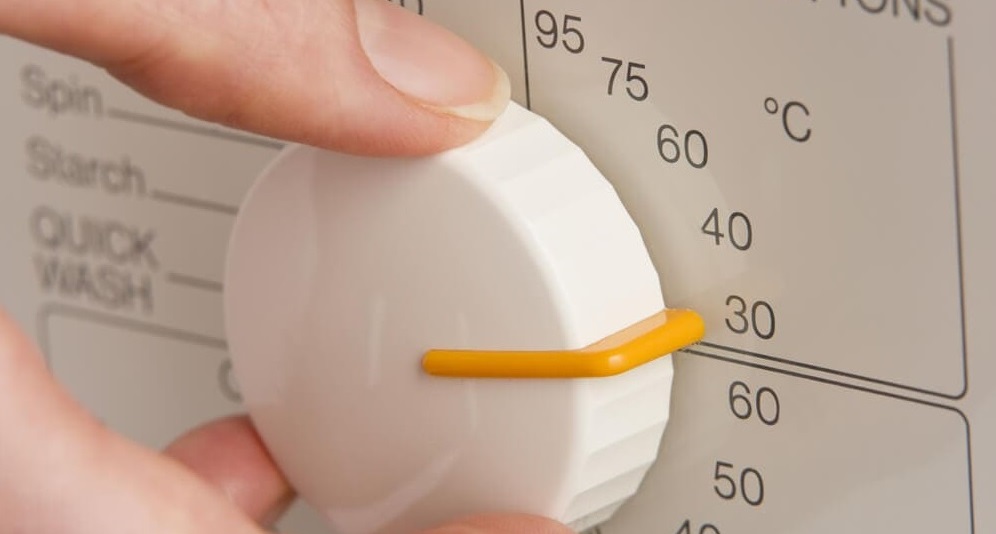





















Add a comment