
Washing textiles
 Like clothing, textiles should be washed regularly. Towels, bed linen, blankets, and curtains, while less likely to get dirty, still require thorough cleaning. However, unlike everyday items, bulky items are more difficult to clean: they require special care. To avoid damaging textiles, it's important to clarify the washing instructions in advance. Let's look at basic recommendations, including the nuances of bleaching and drying.
Basic recommendations
You can wash home textiles by hand, but it is much easier and faster to do this using a washing machine. The machine will eliminate the need to drag and unscrew heavy objects – the unit will do everything itself. The main thing is to take into account the capacity of the drum.
Before washing, be sure to read the manufacturer's care instructions. All information is provided on the garment tag and identified by special symbols. Generally, care instructions depend on the color and type of fabric. For example, wool and synthetics prefer cold water, while cotton and chintz prefer hot water. Spin speeds also vary: natural fibers can withstand 1000-1800 rpm, while synthetic and delicate fabrics require 400-800 rpm.
Before washing, please read the manufacturer's recommendations on the label.
There are also general recommendations for washing textiles:
- sort laundry by fabric color (white is loaded with light colors, dark with black, etc.);
- wash the same types of stains together (greasy stains with greasy ones);
- do not “mix” bed linen with everyday clothes;
- separate children's clothes from adults' clothes;
- It is better to clean baby blankets and throws by hand with soap or a special gel;
- do not overload the machine (it is important to look at the drum capacity in kg);
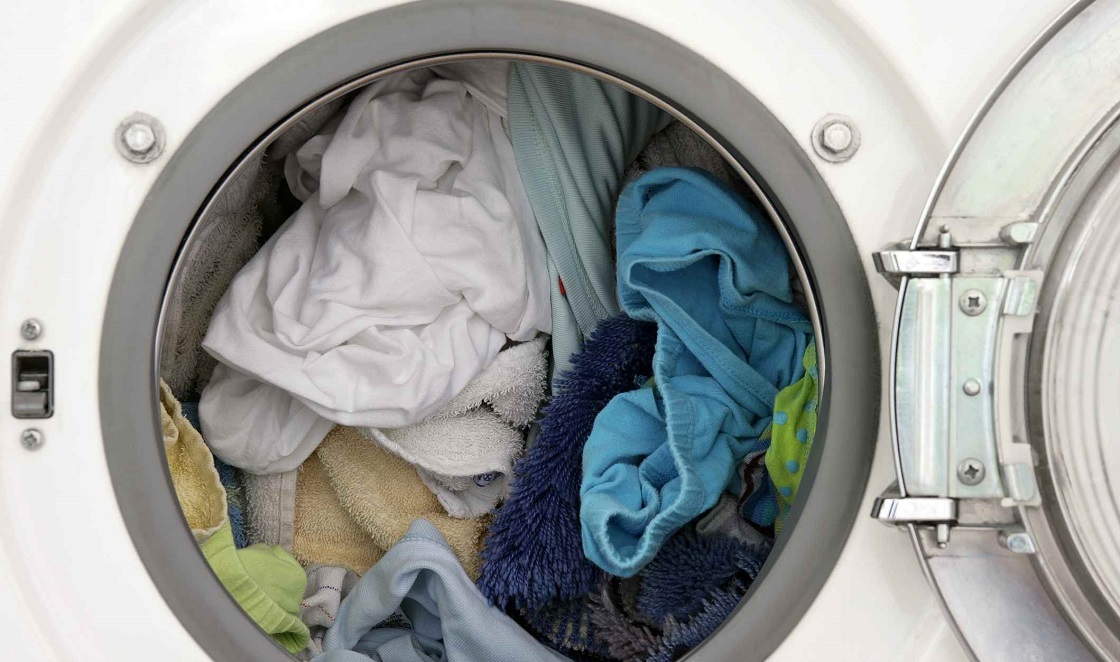
- Pre-wash stubborn stains by hand or on a special setting;
- Separate blankets and curtains from other textiles;
- use fabric softener to make ironing easier.
Newly purchased textiles should also be washed, at least rinsed on a quick cycle. This will remove factory dust and odors, preventing irritation and allergic reactions.
How to bleach textiles?
In some cases, whitening is required. Over time, white curtains and towels turn grey and yellow – the fabric absorbs dirt, dust and unpleasant odors. To restore textiles to their original color, it is necessary to use special products and methods.
- Chlorine bleaching. Suitable for cleaning durable natural fabrics such as calico and cotton. It works quickly, but is harmful to delicate materials.
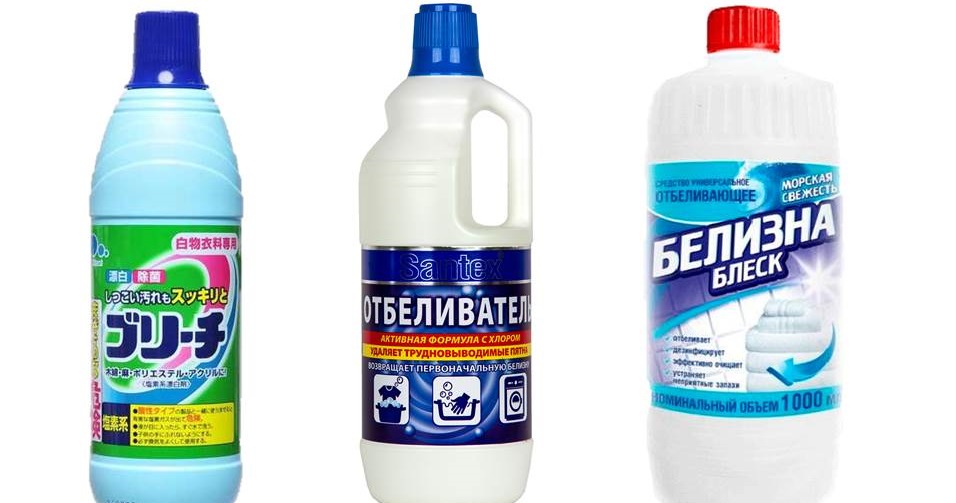
- Oxygen bleach wash. It's gentle and caring, making it ideal for delicate fabrics like silk, wool, and synthetics.
There are special bleaches for bleaching textiles: oxygen and chlorine.
- Boiling. A long-outdated method, this involves "boiling" textiles in a saucepan on the stove for several hours. The fabric becomes white again, but at the cost of time and effort.
Bleaching has a negative effect on fabric in any case – aggressive components discolor and destroy the fibers. It's better not to let it turn grey or yellow, but to wash textiles regularly, not allowing them to become too dirty.
We wash faded items
Items prone to fading must be washed according to specific guidelines. Otherwise, the dye will "peel" from the fibers and transfer to other items in the drum. To prevent uneven color transfer, it's important to follow these guidelines:
- always sort textiles (light with white, black with dark);
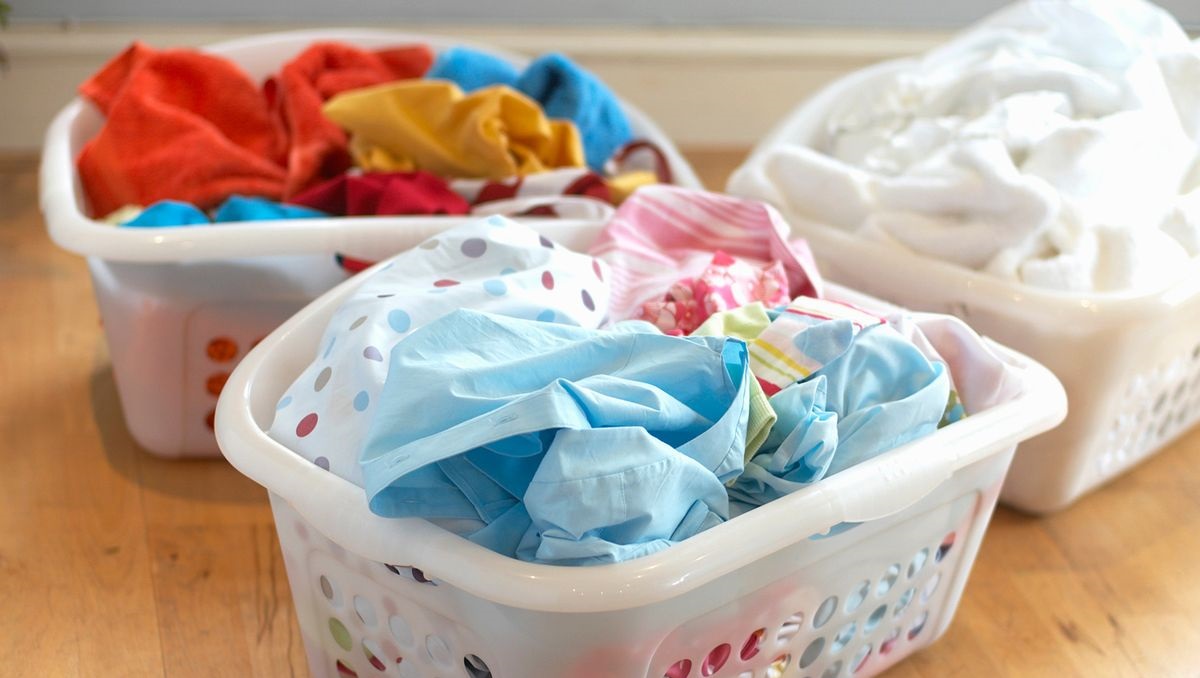
- turn the product inside out;
- wash at minimum temperature and strictly up to 40 degrees;
- place special color-catching napkins in the drum;
- Avoid using products containing bleach.
Choosing the right detergents can reduce the risk of fading. It's recommended to have a full range of detergents on hand: for colored, white, and dark items. This will protect the fabric from pigment fading and enhance the color intensity.
Dry your clothes properly
Particular attention is paid to drying. It is important to dry textiles correctly so that the fabric does not lose its original shape and color.The following points are at issue:
- items made from delicate fabrics are wrung out at minimum speed;
- artificial and automatic drying is prohibited;
- Direct sunlight will fade fabric (especially colored textiles);
- Before hanging out clothes, wipe off dust from clotheslines;
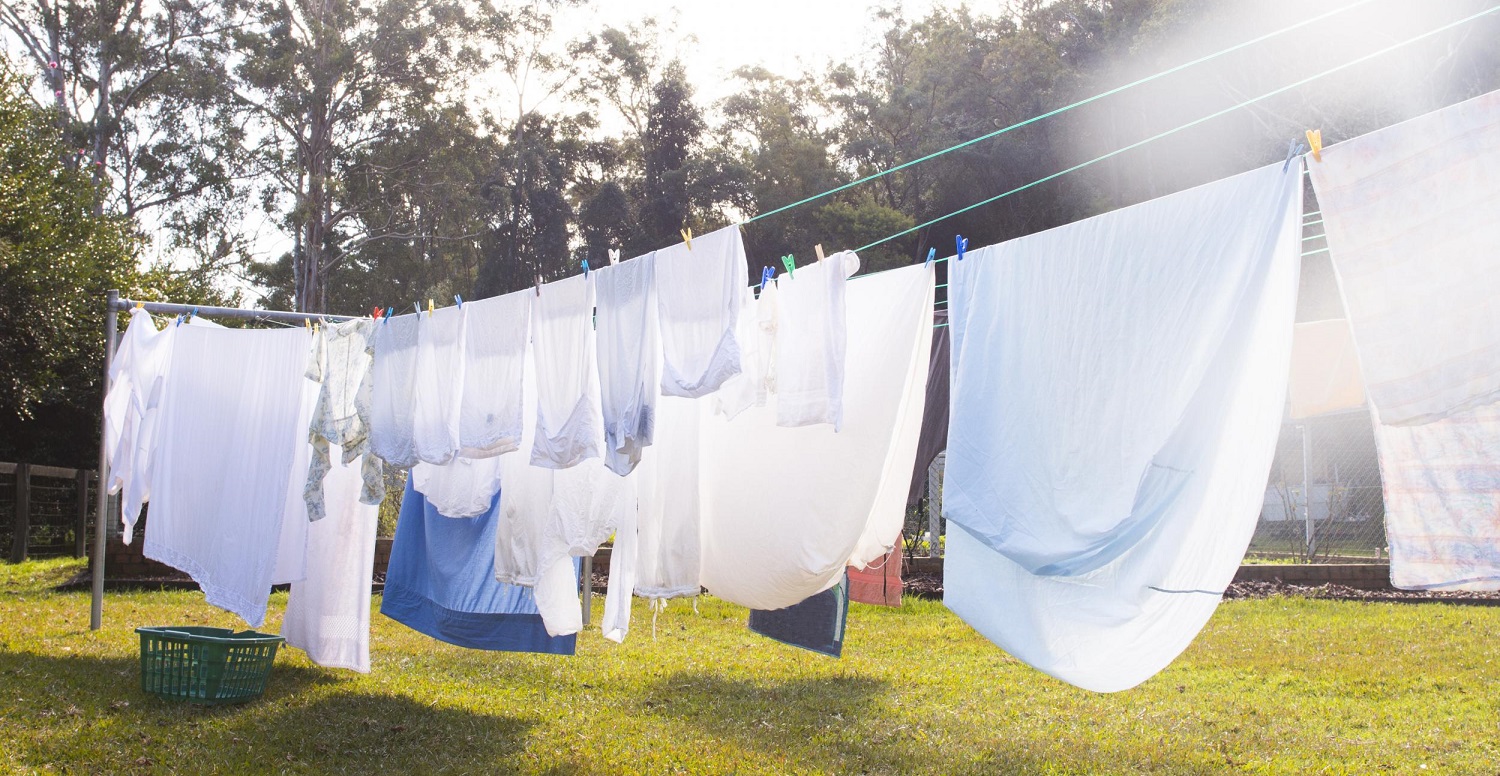
- Dry the items in the fresh air or in a ventilated area.
There's no need to dry curtains and drapes separately—they can be hung directly on the curtain rods. The fabric's own weight will help it flatten.
Interesting:




Readers' comments
Headings
Washing machine repair




For buyers




For users


Dishwasher




Add a comment