
How to wash clothes properly in a top-loading washing machine?
 A washing machine is a true lifesaver for modern people. Thanks to smart machines, millions of homeowners save countless hours. Washing is incredibly simple and straightforward these days – load the drum, pour detergent into the detergent dispenser, start the cycle, and wait for the cycle to complete. However, there are still some basic principles to using a washing machine that are best understood and followed. Properly washing in a top-loading washing machine can achieve high-quality cleaning and significant resource savings. Let's explore some of the nuances of using this type of machine.
Storage and sorting of dirty clothes
Before being loaded into the drum, soiled items spend some time in the laundry basket, waiting for it to fill. And so, when the big day arrives, the owner finds themselves with a basket filled to the brim with clothes that need refreshing. The first rule of successful washing is sorting things by color and type of fabric.
Don't just throw all your laundry into the washing machine without sorting. Follow the instructions. Wash loads by shade: light, dark, and bright. Also, by material: cotton, wool, synthetics, and silk. Heavily soiled items should be set aside, and items that are likely to fade should be sorted.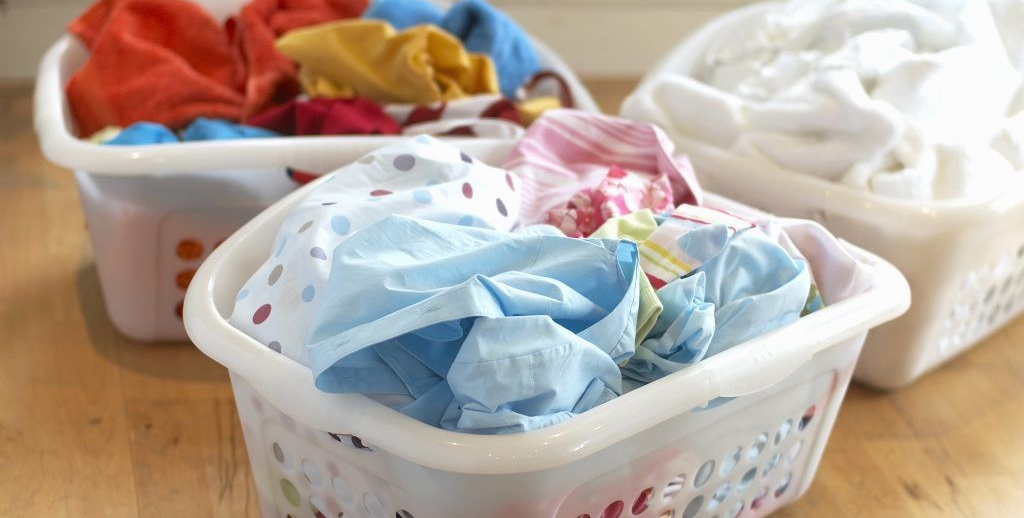
Preparing things for washing
Immediately before loading laundry into the drum, be sure to check all pockets. Coins, pins, buttons, tickets, bills, credit cards, and other items may be left in them. These items should never be placed in the washing machine, as they could damage the machine.
Preparation also includes fastening zippers, snaps, and tying laces. Buttons, on the contrary, are advised to be left unbuttoned. The sleeves of men's shirts should be straightened, and the legs of trousers and jeans should be turned inside out. If there are decorative brooches or pins, these should be removed. Belts should be removed from trousers.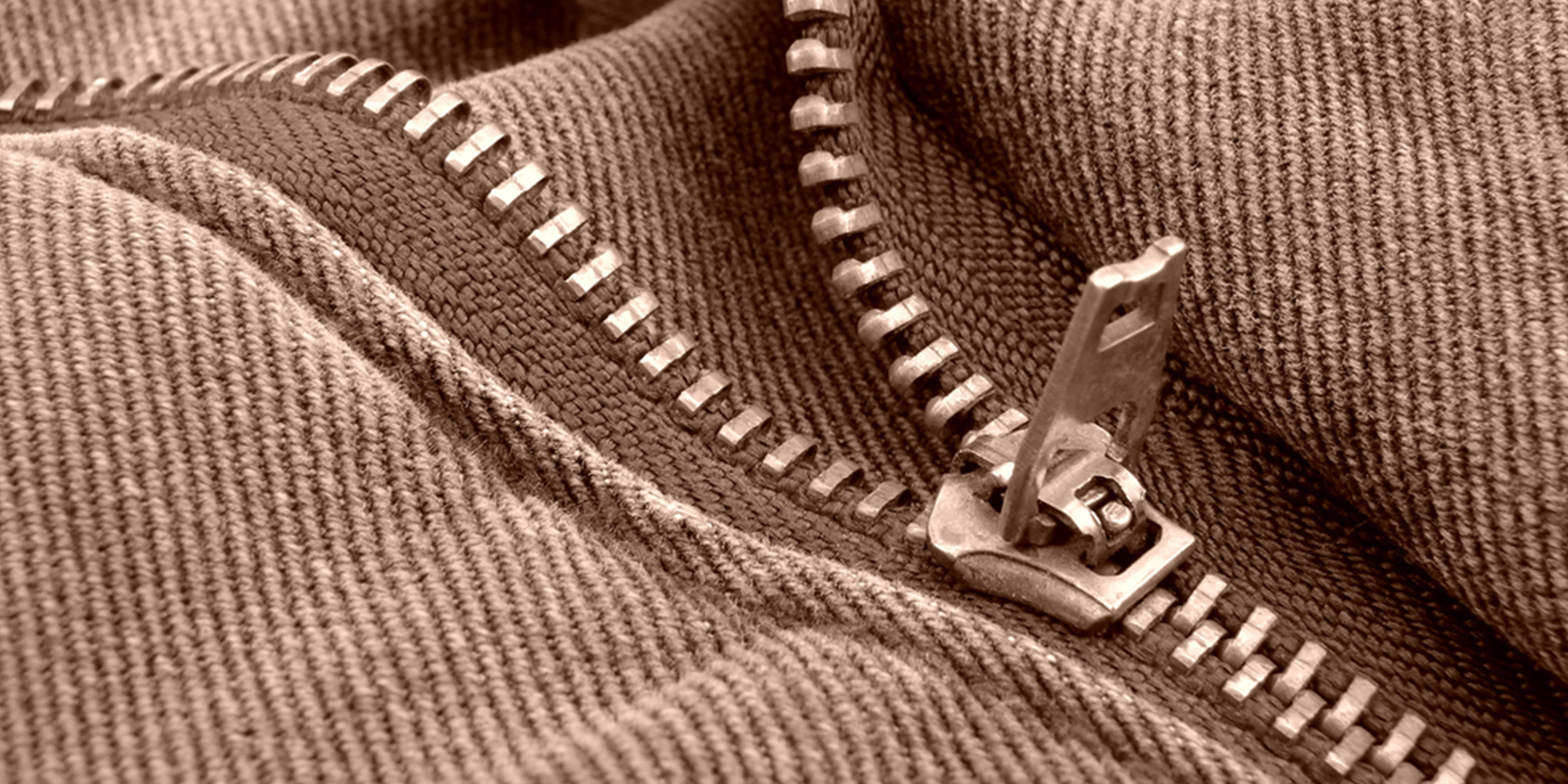
Bedding, such as pillowcases and duvet covers, should be turned inside out, and any accumulated clumps should be removed from the corners. Tights, leggings, stockings, knitwear, and terrycloth items should also be washed inside out. Smaller items, such as socks and underwear, should be placed in a special bag before washing.
If there are stubborn stains on your items, it is best to treat them with a special solution before loading them into the washing machine.
Fill the drum with things
Even when filling the slot machine drum, you should follow certain rules, which, unfortunately, not everyone knows about. When loading laundry into the machine, it is important to follow the instructions from the equipment manufacturer, namely, do not exceed the maximum permissible load weight. You should not fill the drum to capacity; it is better to divide this volume of washing into two cycles.
It is not recommended to mix large and small items, such as duvet covers, underwear, and socks, as this may cause the drum to become unbalanced.
How do you determine the weight of laundry? After all, few people weigh a load of laundry before loading it into the drum. It's actually very simple:
- when washing cotton laundry, this is a full but not compacted drum;
- for synthetic fabrics – half load of the drum;
- When cleaning wool items, load the main container of the washing machine one-third full.
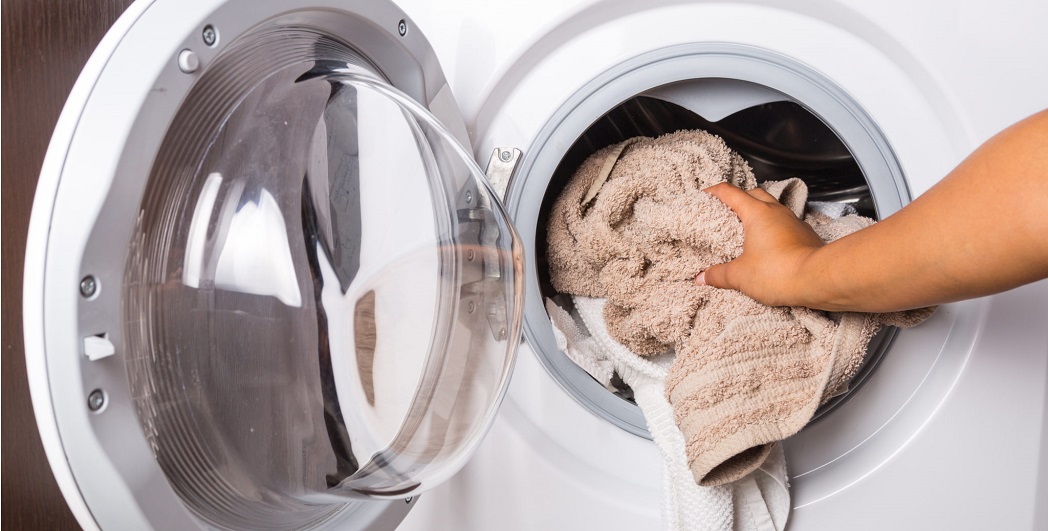
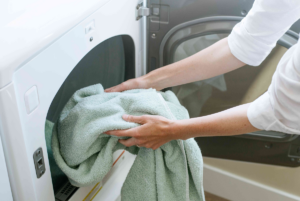
Filling a top-loading machine is a fairly straightforward process. The lid lifts, the locking flaps open, and clothes are loaded into the drum. You don't have to load the items one by one; you can throw the entire load in at once.
Before turning on the washing machine, remember to add detergent. The detergent dispenser is located on the top cover of the machine. The detergent for the main wash should be poured into the largest compartment, while the fabric softener should be poured into the compartment marked with the "Flower" symbol.
We set the mode
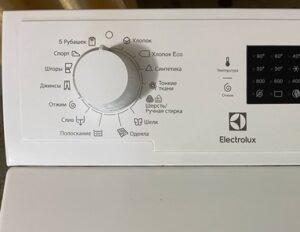
The next step is to start the washing machine. It's important to determine which wash cycle is best for the laundry loaded in the drum. This is fairly straightforward, as care instructions for each specific item can be found on the care label. General recommendations for choosing a cleaning cycle are as follows:
- Light-colored cotton and linen items can be washed at a water temperature of up to 95°C. Spinning such durable fabrics at maximum speed is permitted;
- Colored cotton fabrics can be spun in water heated to 60°C. Spinning at the highest possible speed is also safe for them;
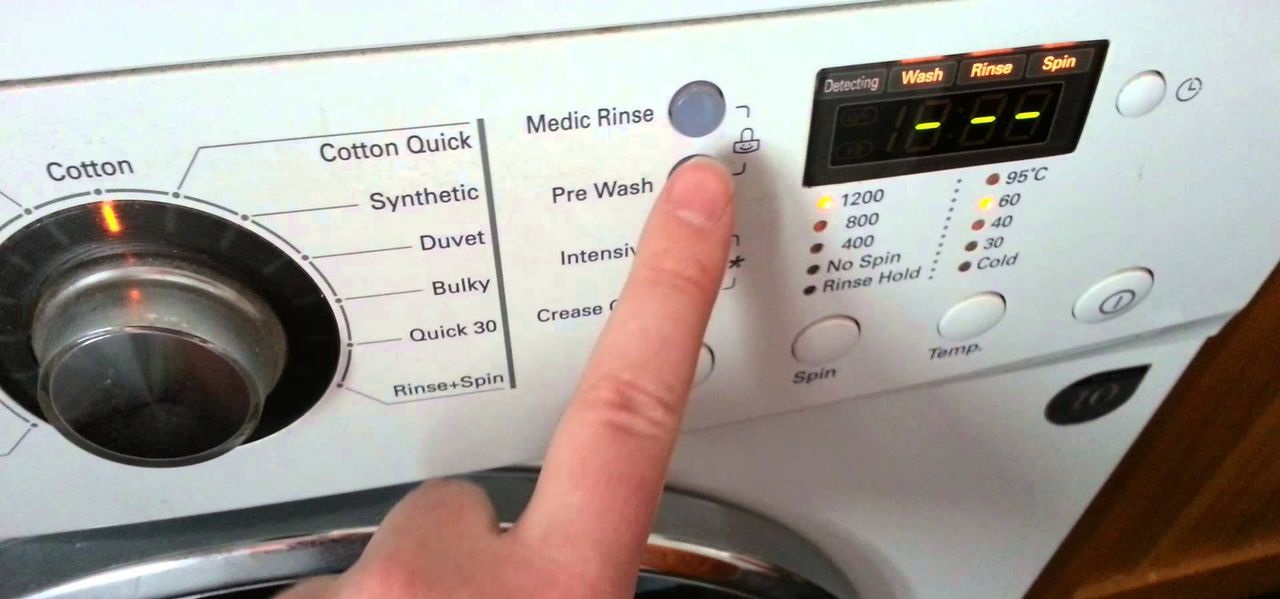
- It is recommended to wash synthetics at a temperature not exceeding 50°C. The optimal spin speed is up to 800 rpm;
- Wool and silk items should be washed in water no hotter than 40°C; the optimal temperature is 30°C. It's best not to use a spin cycle, but if necessary, use a spin cycle no hotter than 600 RPM.
Items that are likely to fade should be washed in cool water no hotter than 30°C.
Set the optimal mode and press the start button. The machine will execute the command you set, and after a short while, you can remove your items from the drum and hang them to dry.
What are we going to wash it with?
It's important to avoid detergents intended for hand washing, as they can cause excessive foaming. Choose a powder or liquid detergent based on the fabric type and stain resistance. The dosage should be determined according to the manufacturer's instructions on the packaging.
Sweat, dirt, makeup, dust, sand, and grease stains can be easily removed with standard products. If you've got a stain from coffee, wine, or greenery, you'll need to pre-treat the affected area with a specialized stain remover. Blood, cocoa, and egg stains can only be removed from fabric using enzyme-based solutions. These natural catalysts are excellent for removing protein-based stains.
Advice for young housewives
Before using the washing machine, be sure to read the instructions carefully. The manufacturer may describe certain details you may not be aware of. Before placing colored items in the drum, check that the fabric does not fade. It's very simple: wet a small area with water and wipe it with a white cloth. If the cloth doesn't get dirty, you can throw the item in the washing machine.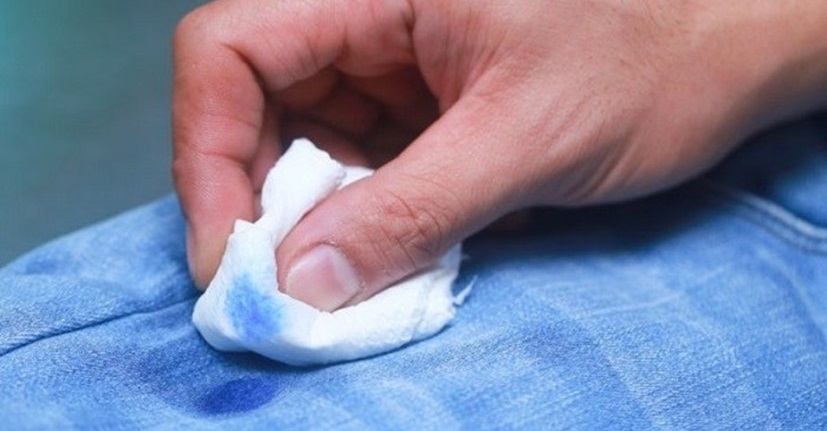
When rinsing terry towels and bathrobes, add a little salt to the water. This will make them soft and pleasant to the touch. To prevent pocket and button holes on knitted garments from losing their shape, stitch them shut with large stitches before washing, then carefully unstitch them afterward.
Interesting:


Readers' comments
Headings
Washing machine repair




For buyers




For users


Dishwasher




Add a comment