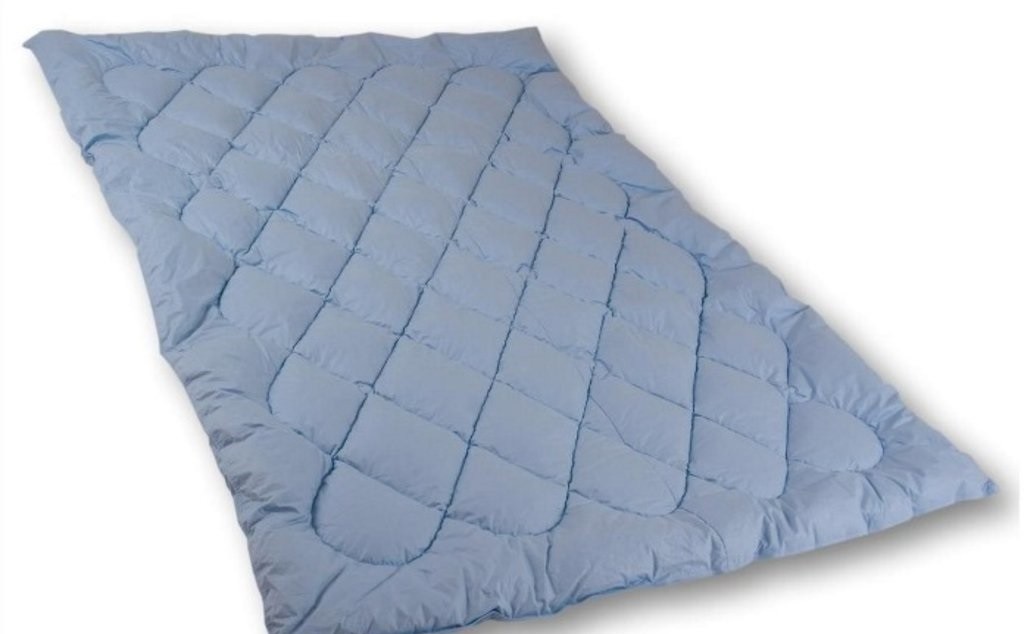
Cotton blankets are still a popular household item, thanks to their all-natural filling, which retains heat incredibly well. However, any blanket is a dust collector, so they need to be washed regularly, which is incredibly difficult to do by hand. This begs the question: can a cotton blanket be washed in a washing machine?
Should I put the blanket in the washing machine?
The answer to this question isn't entirely straightforward. The fact is that the material of a cotton blanket itself is perfectly suitable for washing in a washing machine, but there are a few limitations. Unlike a flannel baby blanket, for example, a cotton blanket is very large and heavy and may simply not fit in the washing machine drum. Therefore, it's better to machine wash smaller baby blankets.
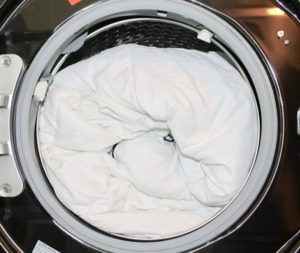
Some claim that the blanket isn't so large that it won't fit in the washing machine. However, keep in mind that the wash won't be as good as it should be because the blanket won't have enough room to unfold in the drum. Furthermore, cotton wool absorbs water, so the blanket will become much heavier than before loading. And remember, overloading the drum can have serious consequences?
If you are talking about washing a small blanket, follow a number of rules.
Wash the item on a delicate cycle. This may also be called "Hand Wash." Some models have a program called "Gentle Cycle," but they all essentially mean the same thing.
The temperature should not exceed 40 degrees.
It is better to refuse automatic spinning and do it manually later.
It is recommended to place special washing balls in the drum to prevent the blanket filling from clumping.
Important! If you insist on automatic spinning, keep the spin speed to a minimum!
How do you wring out a cotton blanket by hand? While it's still in the machine, squeeze it vigorously with your hands to remove excess water from the drum. Once the item is removed from the machine, you can repeat the same procedure, or wrap the blanket in terry towels and roll it into a roll. The towels will then absorb all the excess moisture. Incidentally, this method saves a significant amount of effort, as the terry towels will do most of the work. You won't have to strain your arms to squeeze out all the excess moisture. This drying method is much more suitable for women, especially younger ones.
What are we going to wash with?
The best choice in this case is liquid detergents in capsules or special containers. Gel detergents dissolve easily in water, unlike dry detergents, which are difficult to rinse out anyway, and even more so from a cotton blanket. This can lead to allergies.
As for conditioners, their use is not prohibited, but it is better to replace them with a couple of drops of essential oil.Why? Because fabric softeners come in different consistencies and varying degrees of aggressiveness. Finding a low-concentration, non-viscous fabric softener right away can be difficult, especially if you don't have any at all and the blanket is already loaded into the drum. Therefore, essential oil is a great solution, especially since it's found in almost every home. Many people worry about it leaving greasy stains on their items, but this is unnecessary. This conditioning method has been proven by thousands of homeowners over many years of washing machines.
You'll have to resort to hand washing.
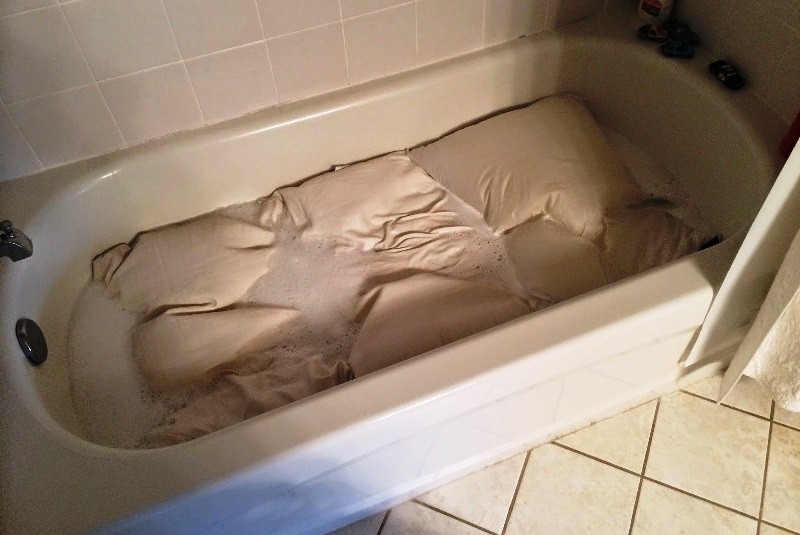
But what to do with a large cotton blanket? Can you machine wash it? As you've already figured out, washing it in a washing machine isn't possible, so you'll have to do it yourself. While this is a physically difficult task, and it's quite time-consuming, you won't have to worry about ruining the blanket, the washing machine, or both.
So, if you're ready to start washing, prepare the following items: a large basin, a gel detergent or shavings of laundry soap, a brush or a medium-hard sponge, and, if necessary, you can also take a stain remover.
First of all, you need to shake out the blanket to get rid of as much dust and debris as possible.
Then lay it out on a horizontal surface on top of the oilcloth.
Make a cleaning solution by dissolving detergent or soap powder in a basin of warm water (no more than 35-40 degrees).
Then, take a sponge or brush and treat difficult spots with stain remover. Apply spot treatments. Then, treat the entire surface of the blanket with a soapy solution.
Fill a basin with clean water, dip a sponge into it and go over the entire surface of the item to remove any remaining soap solution.
Important! You won't be able to do this completely the first time, so repeat the procedure as many times as necessary.
Now you can begin the drying process, but remember that wringing the item is strictly prohibited. Either crush it by hand or use terry cloth.
Restoring the product after washing
Incidentally, it's during drying that you can prevent possible deformations. For example, if the inside of the blanket has become lumpy, you can correct the situation while it's still wet and hasn't dried properly. First of all, you should know that you cannot dry a cotton blanket in an upright position, as this will lead to deformation of the product from the inside..
While it's best to dry the blanket outdoors in a shaded, breezy location, this isn't always possible. As a last resort, you can dry the blanket near a radiator or heater, but only in a horizontal position.
Now about the lumps. To prevent the filling from drying out unsuitably, you need to thoroughly break it up with a stick while it's still wet. But it's best to do this as quickly as possible. Leaving a blanket wet for too long is absolutely not recommended, as mold or other fungi can form inside, which is unpleasant, you'll agree.

 Cotton blankets are still a popular household item, thanks to their all-natural filling, which retains heat incredibly well. However, any blanket is a dust collector, so they need to be washed regularly, which is incredibly difficult to do by hand. This begs the question: can a cotton blanket be washed in a washing machine?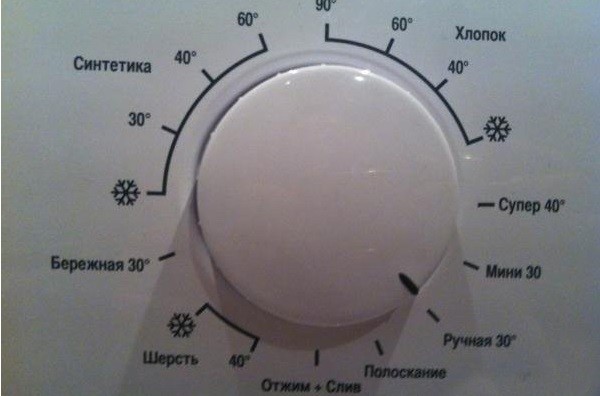















I read it and realized that it’s easier to buy a new one 🙂