
How to properly wash items that fade?
 Colored clothing looks bright and striking, but it requires special care. Any dyed garment is prone to fading—improper washing can result in the dye bleeding or a blending of several shades. To prevent fading, it's important to take several steps into account when washing fading items. Below are some basic recommendations and tips.
Does the item really shed?
Not every item will immediately start to stain upon contact with water. But it’s better not to take risks and check how prone the fabric is to fading before washing. This is done using a simple test:
- wet the edge of a T-shirt or shirt with warm water;
- lay the item out on the ironing board;
- cover the wet area with a white piece of cloth (paper or fabric);
- iron with a hot iron;
- assess the condition of the napkin (if the patch is stained, the fabric will fade).
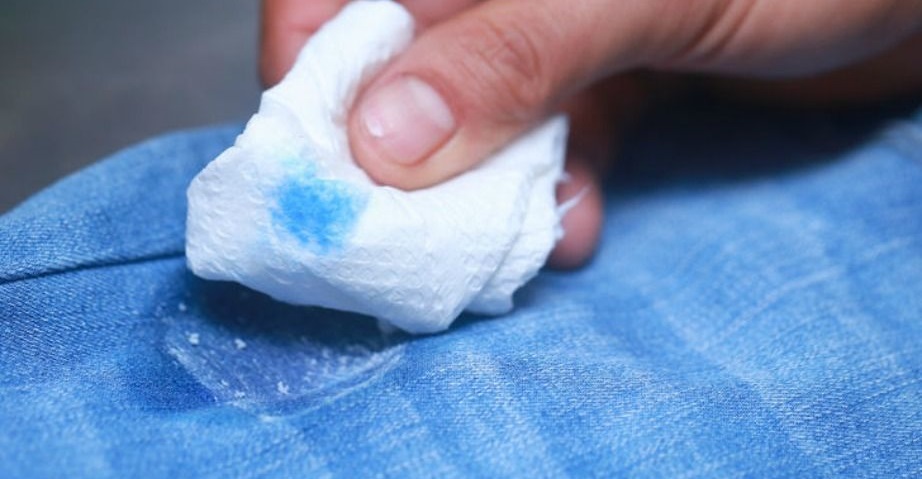
Some manufacturers also offer colorfastness testing. They place a "spare"—a small scrap of the same fabric the garment is made from—next to the item. The piece is cut off and left in a warm, soapy solution for 15-20 minutes. If the water turns the appropriate color, the material is colorfast.
Sorting clothes before washing
Every wash should begin with sorting the laundry. Clothes must be separated by fabric type and color. For the latter, adhere to the following rules:
- don't mix light and black;
- we put black with dark blue and dark gray;
- we mix warm shades that are similar in color: peach, yellow, orange;
- We combine blue, light blue, violet and emerald shades.
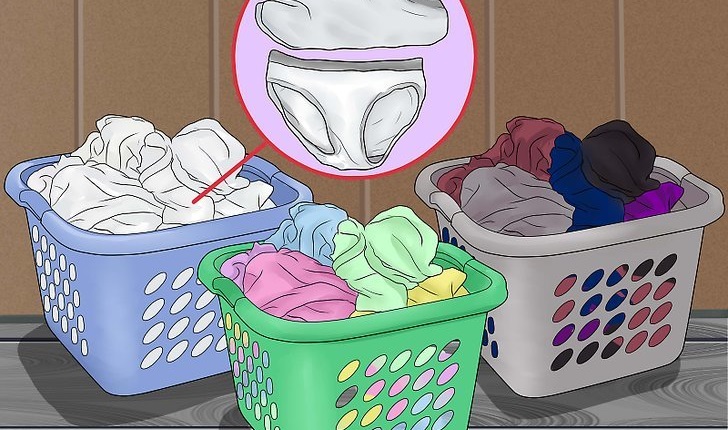
If your clothes are a light red that bleeds, don't wash them with white. It's better to run several cycles than end up with dirty pink clothes due to dye bleeding.
How to fix the dye?
Ideally, the fabric's color should be set before washing. This way, even placing it next to pure white items won't cause fading. The pigment is properly "imprinted" into the fibers using salt, vinegar, and rinsing.
- Salt. To fix the pigment, soak the garment in a 2:1 salt solution. Leave the garment for 60 minutes and then rinse thoroughly.

- Vinegar. Soaking for half an hour in a vinegar solution is also effective. Use 5 tablespoons of vinegar per 10 liters of water.
Soaking in a salt or vinegar solution will lock the color into the fibers and reduce the chance of shedding!
- Rinsing. This process removes excess dye from the fibers rather than setting it in place. First, the garment is soaked in warm water for 10 minutes, then rinsed in cold water. The garment is washed out: the pigment is washed away, leaving the fabric colorful and "clean."
The color fades especially quickly during the first 1-2 washes. Therefore, it's important to wash a new T-shirt separately immediately after purchasing it – first at 40 degrees Celsius, then at 20-30 degrees Celsius.
Traditional washing
To prevent colored items from fading and ruining other clothes, they are washed separately. The ideal option in this case is hand washing in a basin. However, even here, it's important to follow a few rules, otherwise the fabric will fade and discolor. Here's the procedure:
- study the information on the label in advance (the manufacturer must indicate the optimal type of wash, temperature, spinning and drying details);
- empty your pockets;
- test the item for shedding tendency;
- fill the bottle with water that is 10 degrees cooler than the temperature indicated on the label;
- lather up a special detergent for colored items and hand washing (there will be a mark “Color” and an icon with a hand and a basin);
- soak the item for 5-30 minutes;
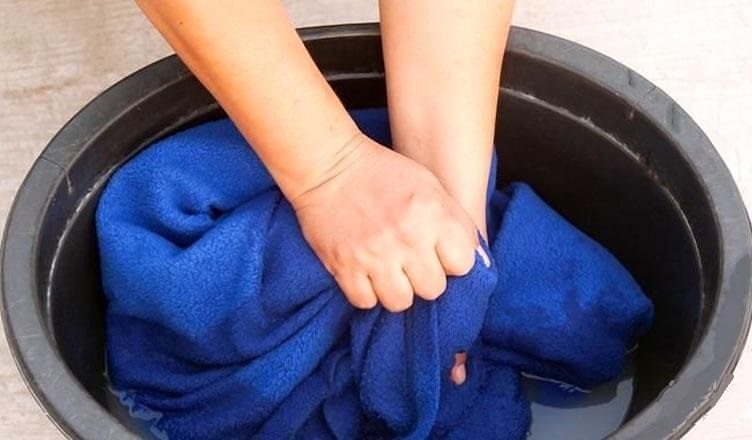
- avoid friction and intense compression;
- rinse twice (first in warm, then in cold).
It's important that the cleaning product doesn't contain bleach. Ideally, choose gels with color-trapping particles.
Let's use technology
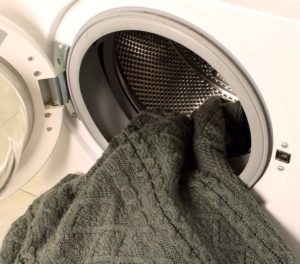
Washing faded items in the washing machine is permitted. The only difficulty is the volume – colored items should be washed separately, not mixed with whites or light colors. If the colored load is heavy enough or the machine's drum is small, you can run the following cycle:
- place the sorted pile into the drum;
- add detergent (all-purpose or color-safe);
- select a delicate wash or quick cycle;
- set the temperature to 30-40 degrees;
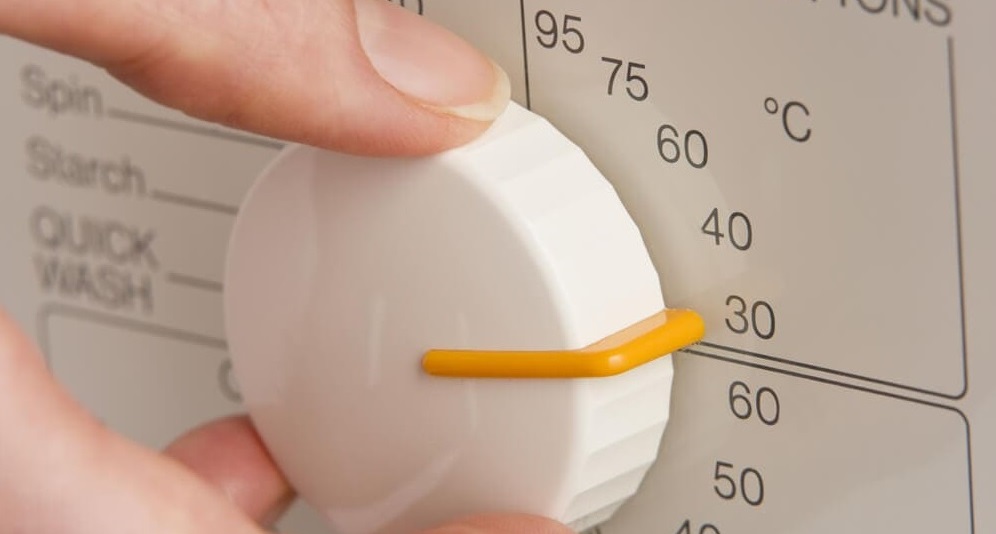
- set the minimum spin;
- activate extra rinse;
- Remove the laundry from the drum immediately after washing (you can’t leave it damp – it will cause the colour to fade).
For heavy soiling, you can use a stain remover. However, be careful: do not leave the product on the fabric for more than 30 minutes. Prolonged contact with bleaching agents will remove the pigment from the fibers.
When machine washing colored items, it is recommended to use color-catching sheets.
Special color-trapping pads reduce the risk of fading. They're placed in the washing machine and "catch" the dye during the wash cycle, protecting other items. They can be used to wash whites and colors together. However, if the fading is severe, the fabric may not be able to withstand the large amount of pigment.
The item has already faded
If you can't avoid shedding, the item will become covered with colored spots. There is no need to throw away clothes that have been randomly dyed – you can try to remove the foreign pigment. First, wash the laundry a second time at 40 degrees Celsius, adding salt and laundry gel to the washing machine. Spot-treating the stains with baking soda, ammonia, or a household stain remover is also permitted.
Faded items need to be “rescued” immediately after washing – the color won’t come out after drying!
It's easier to re-clean white items. Bleach or hydrogen peroxide will help. The key is to prevent the items from drying out, otherwise the pigment will become imprinted into the fabric and will be impossible to remove.
How to dry fading items?
Shedding can occur not only during washing but also during drying. To prevent items from bleeding, keep a few things in mind. These include:
- Before drying, the item is rinsed in a vinegar solution to fix the color;
- do not expose the fabric to direct sunlight;
- Turn the item inside out before drying;

- do not hang items overlapping each other - this will cause pigment transfer;
- Choose a ventilated area for drying to get rid of the vinegar smell.
Ironing items that fade is not prohibited. However, improper washing may cause the color to fade again. To prevent further fading, set your iron to the lowest temperature or use a steam generator.
Interesting:





Readers' comments
Headings
Washing machine repair




For buyers




For users


Dishwasher




Add a comment