
Washing angora items at home
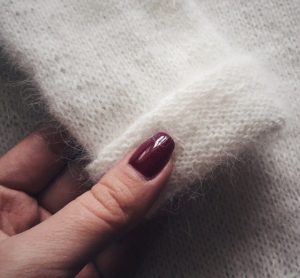 Angora yarn is considered the most delicate of all delicate fibers. It deforms easily, wears out quickly, and, most importantly, is extremely sensitive to water. To avoid damaging the wool and preserve its original appearance and softness, it's important to know how to wash angora items at home. You can't simply throw a woolen item in the washing machine and add the first detergent you find—there are many nuances and dangers. It's best to take your time and clean everything safely.
Let's choose the right powder
If an angora wool item gets dirty, the first thing you should think about is a suitable detergent. This material is very sensitive and fragile, so not all compounds will clean dirt without harm. It is better to choose safe options:
- special gels for washing wool and other delicate fabrics;
- regular hair shampoo (it is advisable to choose baby shampoo or one with added egg);
- baby soap (or any toilet soap, if it does not contain dyes);
- laundry soap (in combination with glycerin).
Liquid soaps are used as usual: measure out the required amount of gel and dilute it in water. Bar soap, both baby and laundry, must be prepared before adding it to the basin. First, grate the bar finely, then stir into a foamy solution. Finally, add 5 ml of glycerin. If the soap already contains a softener, skip the last step.
Angora can be washed with delicate gels, shampoo, baby soap or laundry soap.
The following products are prohibited when washing angora:
- washing powder (the granules dissolve poorly in cold water, clog the fibers and are not rinsed out, which ultimately affects the appearance of the product);
- bleaches (whitening gels are also undesirable, as even gentle formulations irreversibly destroy the fibers).
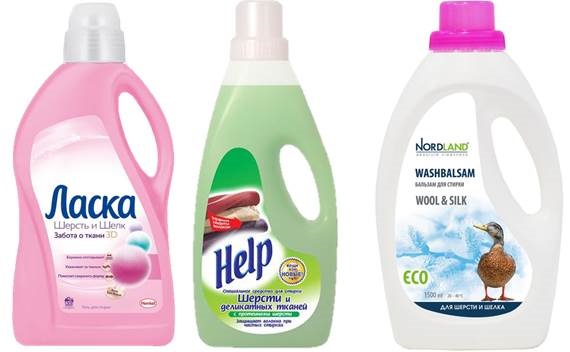
If your angora hat, pullover, or scarf has lost its original softness, it's a good idea to add a little fabric softener or conditioner to the soap solution. Glycerin has a similar effect. This addition will also prevent matting and extend the garment's lifespan.
Automatic cleaning
Before washing angora wool in a washing machine or by hand, carefully read the manufacturer's label. When caring for angora, the rule is that the less rabbit fur a garment contains, the easier it is to wash. For example, if the composition states that it contains 10-50% down, the garment can be wet without risk of damage. If the percentage of down is higher, the garment is considered "premium" and should be dry-cleaned only once or twice a year.
But even with 10-50% angora in the material, you should be extremely careful. If you have the time and energy to hand-wash, it's best to skip the washing machine and proceed as follows:
- turn the item inside out (ideally, it is recommended to temporarily sew up the loops, collars and sleeves so that the item does not stretch during washing);
- pour water heated to 30-35 degrees into a container of suitable volume (the maximum temperature is 40 degrees, otherwise the product will shrink, and the pile will become matted and lose its original softness);
- prepare a soap solution by stirring the poured detergent;
- lower the item into water and soak for 15 minutes (if you need to bleach the fabric, you can leave it for 2-3 hours);
- carefully crush the wool with your hands, squeezing it in different places and periodically turning the fabric over (strong twisting will cause the pile to come out of the material);
- Rinse the item thoroughly in clean water (it is important that the temperature of the water during rinsing does not differ from the temperature of the wash water);
- add conditioner or glycerin during the last rinse;
- we transfer the item into an empty basin, periodically pouring out the released liquid;
- leave until most of the water has drained from the product.
It is prohibited to twist or wring products containing angora down!
If you want to wash angora in the washing machine, there are a few important rules to keep in mind. First, place the garment inside out in a special protective bag. Second, add a suitable gel and conditioner to the washing machine, avoiding powder and bleach. Third, select the "Wool" or "Delicates" cycle. Don't forget to check the settings: spin and dry should be turned off, and the temperature should be set to 30-40 degrees Celsius. At the end of the cycle, the clothes are removed from the drum and placed in an empty container for further drying.
Removing moisture correctly
Once again, we remind you that you should not wring or twist items containing angora down. Machine drying is also contraindicated; the item must be dried in a special manner. Here's how:
- we wrap the item in a roll in a terry towel or absorbent diaper, and then gently press it with our hands;
- On a flat horizontal surface we spread out an oilcloth and place a terry towel folded in several layers on top;
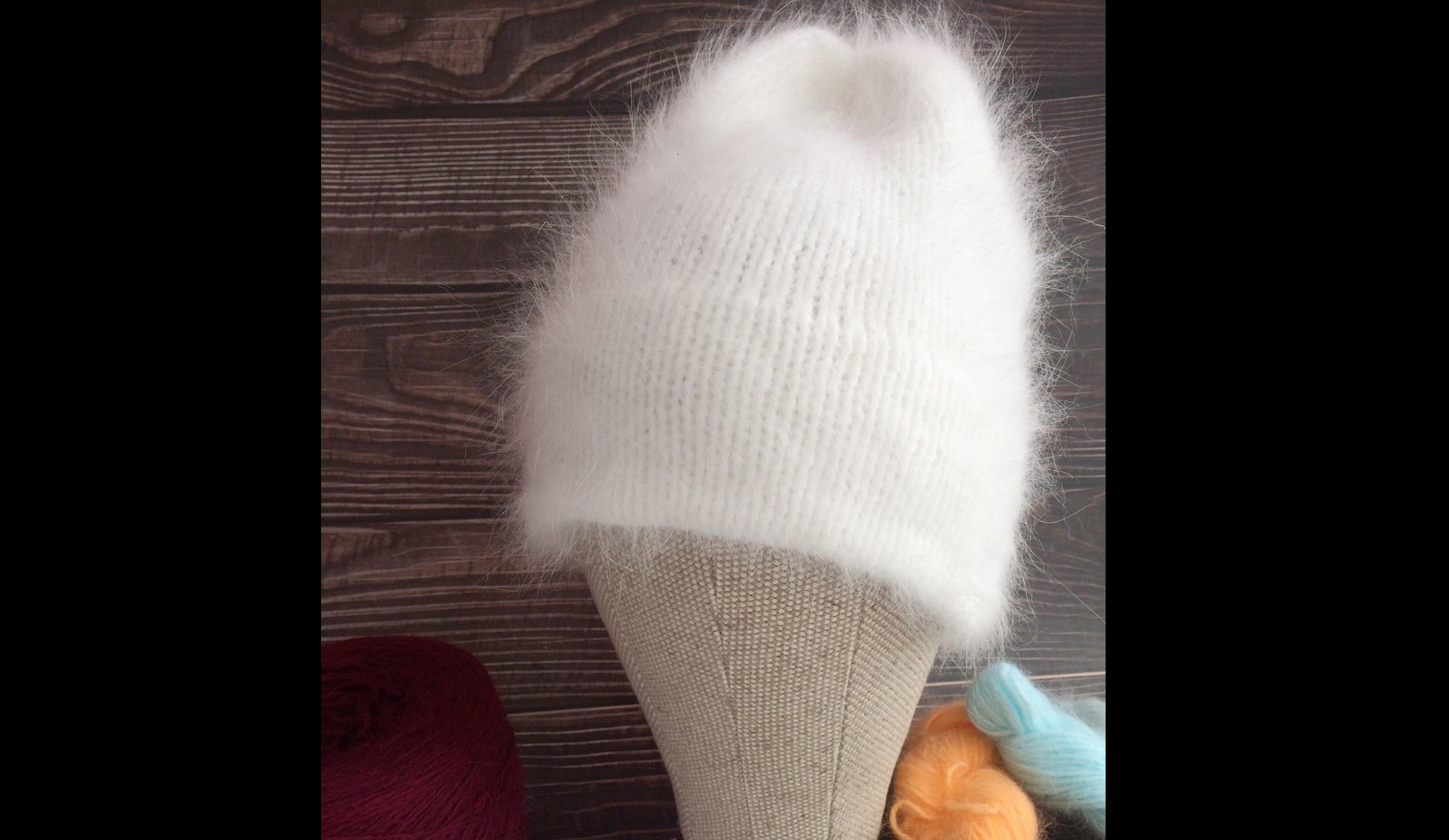
- Place the angora on a towel and straighten it with your palms;
- When the bedding is saturated with moisture, we change it and turn the product over.
If you are drying a hat or beret, the still damp item should be stretched over a suitable sized round object - a ball, jar or cup.
Once the drying process is complete, fluff the garment. The easiest way is to shake it a few times and brush it with a soft brush, first with the grain, then against it. Freezing can also restore the original fluffiness: simply place the rolled angora in plastic, release the air, and place it in the freezer. Another option is to hang the clothes on a hanger over steam or use a steamer. Don't iron angora! You can wash angora without any problems. Just remember a few rules.
Interesting:


Readers' comments
Headings
Washing machine repair




For buyers




For users


Dishwasher




Add a comment