
How to wash second-hand clothes?
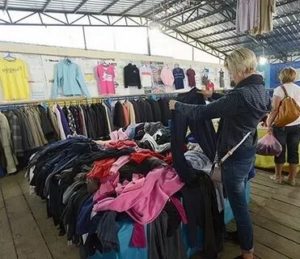 You can often find truly high-quality items at bargain prices at second-hand stores. Sellers offer huge discounts on brand-name used clothing, which is a big draw for buyers. However, the textiles don't always look their best; they can have ingrained stains and unpleasant odors. Let's figure out how to remove this unnecessary "add-on" from your clothes and make them look presentable. We'll also discuss how to properly wash second-hand items to restore them to like-new condition.
Will regular washing help?
Simply washing secondhand clothes isn't always enough. A simple spin cycle in a washing machine won't remove stubborn dirt and sweat stains. Bacteria, mold, and fungi also thrive on secondhand clothing. Harmful microorganisms won't be removed by a standard cycle; more thorough cleaning is required. To restore second-hand clothes to their original appearance, you will need to pre-treat them before running them through a regular wash cycle.
Neglecting basic hygiene rules can lead to adverse consequences, as it's unclear who wore the item before you or where it was stored.
An equally pressing issue is an unpleasant odor emanating from an item. This "odor" can be caused by heavily soiled fabric or improper storage conditions. By stuffing unwashed secondhand clothes into your closet, you risk infecting your entire wardrobe with dangerous mold spores, which can be found on used items. Therefore, it's crucial to clean the item immediately after purchase and treat it with antibacterial treatment.
However, there are also many stores that comply with all sanitary requirements. When shopping at these secondhand stores, you don't have to worry about germs. All items are disinfected, and the fibers are free of bacteria and fungi. However, you may encounter another problem: before being sold, clothing is treated with special chemicals that destroy harmful microorganisms left behind by previous owners. Typically, the products are treated with compounds containing formaldehyde and bromine. These components emit an unpleasant odor, which is why clothes have a so-called "secondhand" smell.
Furthermore, formaldehyde is hazardous to human health. According to established regulations, any residues of these substances must be completely neutralized, but not all businesses fully comply with these requirements. Therefore, it's best to address this issue yourself and take all necessary measures to protect your used sweater or dress. We'll cover the key aspects of washing secondhand clothing and explain how to ensure you're wearing something clean and safe.
General rules for odor removal
Freshening clothes made from natural fabrics is much easier than cleaning synthetic items. The type of garment also matters. For example, chunky knit sweaters and cardigans, down jackets, and warm winter coats will require a significant amount of effort and time to remove the foul odor. A combination of regular laundry detergent and fabric softener usually won't do the trick.
The following can help remove the second-hand smell: vinegar, ammonia, salt, oils, baking soda, and fragrances.
An iron with a steamer option and fresh air will also prove indispensable in this regard. The battle against the odor of second-hand items is a four-step process.
- Elimination of causes of odor (old stains or residues of sanitary treatment).
- Washing clothes with a special cleaning agent and fabric softener.
- Drying the new item on the balcony for a couple of days.
- Ironing the item at the highest possible temperature for the specific material.
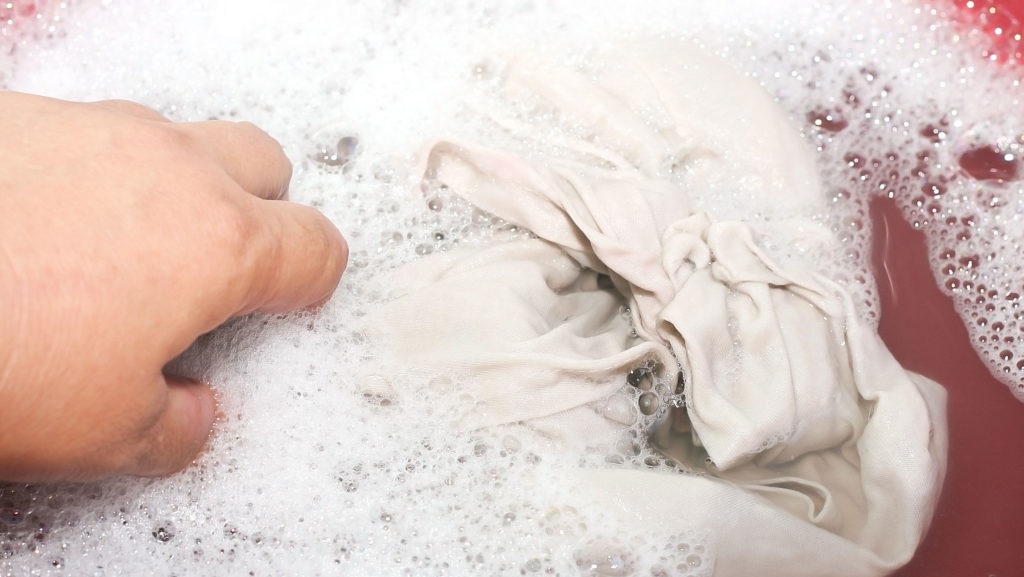
The first step is to remove the odor using one of the previously mentioned products. Then, place the garment in the washing machine or hand wash. Rinse thoroughly. Drying should be done outdoors to help eliminate the odor. A final ironing will help completely eliminate the unpleasant odor.
Some people believe that simply washing an item and airing it outside is sufficient. However, this doesn't always freshen the garment. A slight odor is usually still noticeable after such treatments. Therefore, to ensure comfortable wearing of your new garment, it's best to follow all four cleaning steps.
How to wash a purchase?
So, let's take a closer look at how to properly wash second-hand items. By following these basic guidelines, you can quickly and easily remove stains. Before the main wash, the item of clothing must be soaked in a special way, and only then proceed to start the cycle.
The water temperature will depend on the type of fabric. Ideally, the temperature should reach at least 60°C. If you've purchased children's clothing, it's recommended to wash it two or three times to remove any chemical residue and other contaminants from the fibers. It's recommended to use a detergent with a disinfectant effect. Don't forget to turn on the "Extra Rinse" option. It's best to use a cycle setting that allows the machine to wash with the largest volume of water.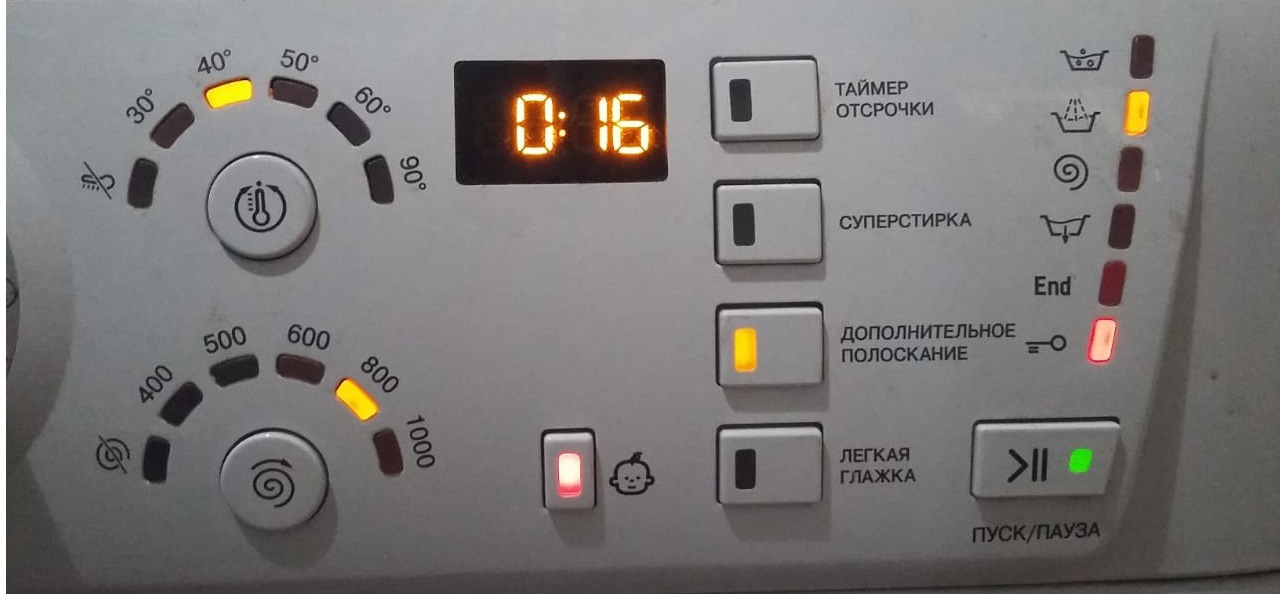
After washing and rinsing the garment, dry it and iron it on both sides. Only then can you wear it or put it away in the closet with the rest of your wardrobe.
10% ammonia will help
The easiest way to neutralize the odor of secondhand clothing is with ammonia. This solution completely removes formaldehyde from fabrics. The item should be soaked in ammonia; the time it takes to soak will depend on the material. For cotton and linen, one hour of soaking is sufficient. Mixed fabrics should be soaked for three hours, while synthetics and thicker fabrics should be soaked for five to six hours.
Let's look at a specific example of how to quickly remove odor from regular jeans from a second-hand store. You'll need a bottle of 10% ammonia solution. Follow these steps: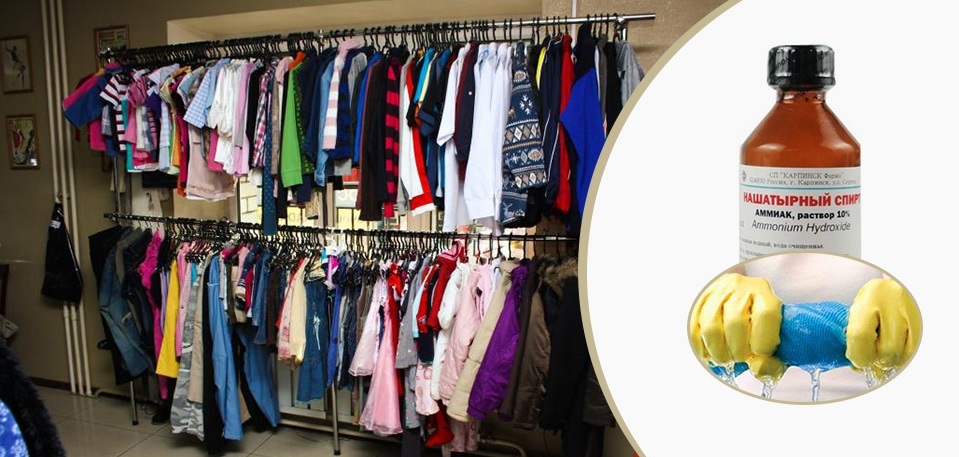
- fill a deep basin with five liters of water;
- pour in 20 ml of ammonia;
- soak the pants in the resulting solution;
- After the allotted time, take out the jeans and wring them out;
- Dry your trousers in the fresh air;
- After it has completely dried, wash the item in a washing machine or by hand using your usual detergent;
- When rinsing, be sure to use conditioner;
- dry the jeans;
- Iron the item with a steam iron.
Be sure to dry the item in the fresh air after treating it with ammonia; only after it is completely dry should you begin washing it.
When air-dried, the ammonia smell will completely disappear, along with any remaining formaldehyde particles. If you need to refresh thick fabrics, add more water and, accordingly, increase the ammonia dose proportionally. If you need to soak warm clothing, you can dilute 100 ml of ammonia in ten liters of water.
Don't worry about ammonia damaging your garment. The ammonia solution is completely safe for all types of fabrics and shades. Furthermore, ammonia has a beneficial effect on wool, leaving knitted sweaters soft and supple.
We prepare a hydrochloric acid solution
A mixture of water, table salt, and vinegar can help eliminate bad odors. The recipe is simple: dissolve two tablespoons of regular salt and one hundred milliliters of 9% acetic acid in five liters of water. Follow these steps:
- prepare the solution;
- pawn clothes;
- remove the product from the basin and squeeze it out;
- Dry outside.
Once the garment is dry, machine wash it on a suitable cycle. This method is suitable for items with a mild secondhand scent. A strong odor will not be removed this way.
Iron the item thoroughly
The easiest way to deal with the specific smell of clothes is to iron them. It's essential to have a good iron with a steam function. The heating temperature of the iron soleplate must correspond to the type of fabric being ironed, so be sure to read the information on the product label. Synthetic and silk items should be ironed.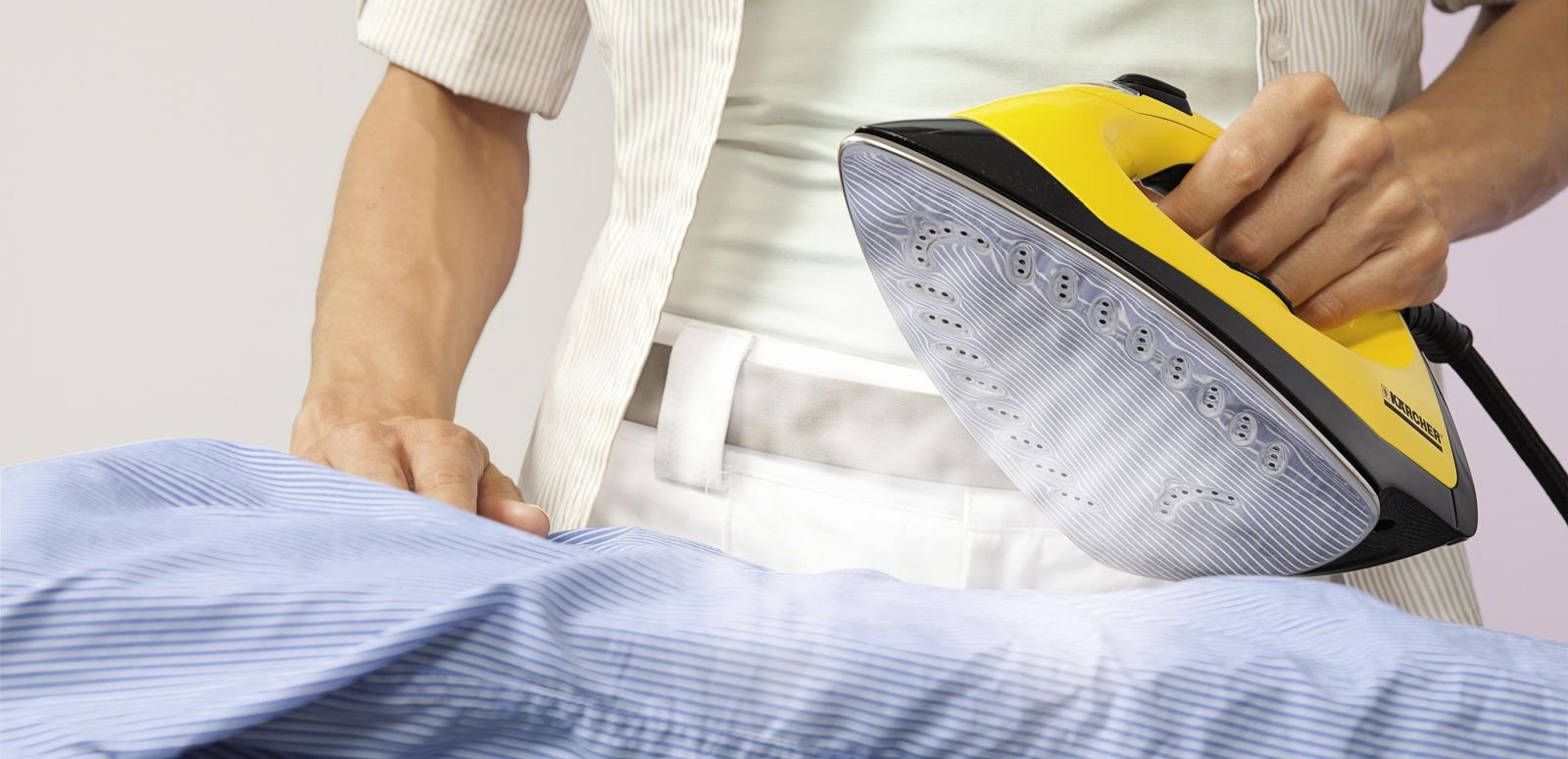
After the garment has been soaked in the odor-neutralizing solution, dried, washed, rinsed, and then air-dried again, you can begin ironing. Use the highest steam setting and the highest possible soleplate temperature.
Ironing is most effective for natural materials. During the steaming process, odors and harmful particles will gradually evaporate with the steam.
Interesting:

Readers' comments
Headings
Washing machine repair




For buyers




For users


Dishwasher




Add a comment