
Washing military uniforms in a washing machine
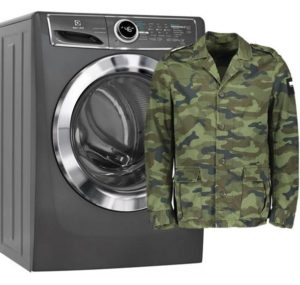 So-called "military uniforms" include police uniforms, camouflage, and office attire. All of these items are made of heavy materials and require special care. If improperly cleaned, these items can fade and shrink, making them unsuitable for further wear and forcing you to shell out for a new set. To avoid unnecessary damage, it's important to understand how to machine wash military uniforms. Read the label and follow specific recommendations.
Police uniform
Police uniforms are easier to machine wash. However, it's best to soak the set before washing to enhance the vibrancy of the colors and add shine. However, color restoration will only work on high-quality fabrics; soaking won't help defective items.
The form is soaked like this:
- a water-vinegar solution is prepared (a glass of vinegar is diluted in 10 liters of cold water);
- the solution does not heat up – the water should remain cool;
- clothes are placed into the basin and left there for 15-20 minutes;
- The set is rinsed in cold water.
To restore the color, simply soak the mold in a vinegar solution for 20 minutes.
If the uniform is not defective, the dye will be 2-3 shades brighter. Now all that's left to do is give it a full wash by loading it into the washing machine. We'll explain which cycle to choose and how long to run it further.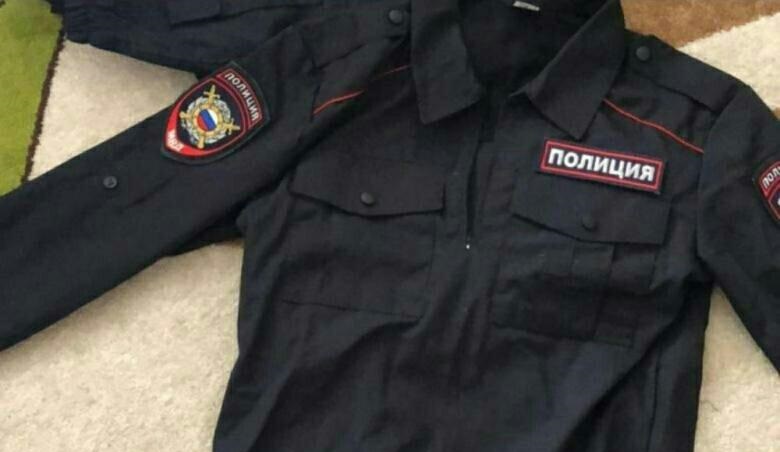
Caring for camouflage uniforms
Military uniforms get dirty faster and more seriously. As a rule, we have to deal with persistent “field” contamination: grass, blood, oil and soilStains like these can only be removed by pre-soaking. To thoroughly clean your camouflage, follow these steps:
- We prepare a solution of water and vinegar, adding detergent to it.
- We lower the uniform into the prepared mixture and keep it there for 30-40 minutes.
- Wash heavily soiled areas separately. Lay the item in the bathtub, add gel or powder, lather, and scrub the soiled areas with a soft brush. It's best to use liquid detergents, as dry mixtures dissolve less readily, clog the fibers, and are difficult to rinse out.
- Rinse thoroughly and throw in the washing machine.
If there are stains from grass, blood or oil on the camouflage, pre-soaking and washing is necessary.
After a double soak, the camouflage will be brighter, the unpleasant odor will be gone, and the fabric itself will be softer. Conditioner would also be helpful, although military personnel are advised to use neutral scents to blend in. As for the machine settings, everything is standard: water temperature around 40 degrees Celsius, and spin speed between 800 and 1000 rpm.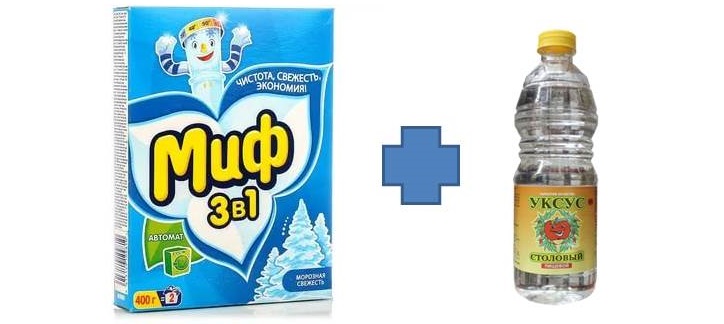
Civil servant uniform
Office workers' clothing isn't designed for field conditions, so it's made from more delicate fabrics. Unlike police and camouflage uniforms, it shrinks easily, so it's important to control the water temperature. The following points should also be considered:
- It is better to choose the “Delicate” program;
- water heating should be within 30-40 degrees;
- Chlorine-based bleaches are prohibited;
- We turn on an additional rinse to completely clean the fibers from detergents;
- We reduce the spin to a minimum, since strong acceleration of the drum has a negative effect on the fabric.
Civil servants' uniforms are made primarily from delicate fabrics such as wool and astrakhan.
The automatic wringer is not designed for delicate fabrics. It's safer to skip the wringer and gently squeeze the garment by hand, using gentle pressure rather than wringing. Another option is to hang the "office" over the bathtub and use your palms to remove moisture from the material. Dry clothes only on a hanger and in a ventilated room.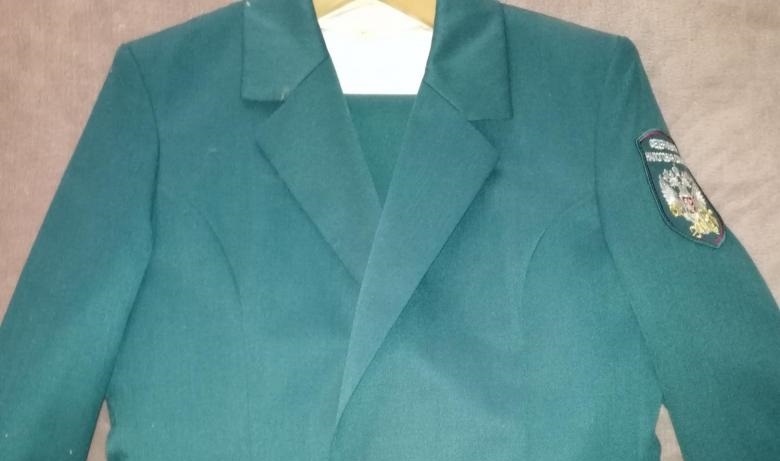
Important rules
To avoid ruining an expensive uniform, first carefully examine the manufacturer's tag. The manufacturer specifies the type of fabric and the optimal cleaning conditions on the label. It's also a good idea to consider a few important general points.
- Water quality. In some cases, this becomes a major issue and significantly impacts the final result. Water supplies contain many chemicals, including aluminum and chlorine, which, even with mild bleaches, can discolor fabrics. Hard water can also be problematic, as the detergent can't dissolve, isn't completely rinsed out, and can leave light spots and streaks on clothes. All of this should be taken into account: install a filtration system and rinse items repeatedly.
- Detergents. The choice of the right detergent depends primarily on the type of fabric dyeing. Solid-color sets are best washed in any packaging marked "Color," while multi-color camouflage patterns are best washed with gentle gels. If the design was transferred to the uniform from paper, choose a detergent that preserves the color of the material.
- Ironing. It is recommended to use a steamer instead of an iron.
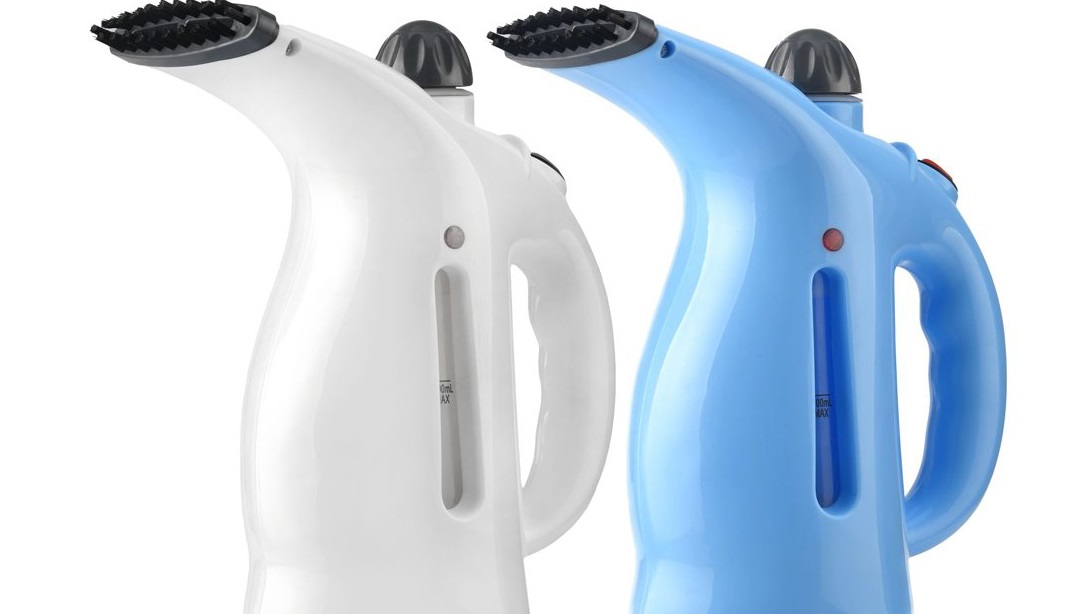
- Spinning. Automatic spinning is not recommended; manual spinning is better.
- Drying. Naturally only, without radiators, hair dryers, or tumble dryers.
Military uniforms are dried in natural conditions – away from radiators and direct sunlight.
Membrane fabric requires special care. The water temperature is crucial, with a maximum of 30 degrees Celsius. Next, select the delicate cycle, turn off the automatic spin cycle, and tumble dry. Add a special gel to the tray and do not use fabric softener.
Dress uniforms for police officers and emergency workers are cleaned differently. Only the gentlest cycle and cold water are allowed—heating above 40 degrees Celsius will cause the garment to shrink at least a size. It's better not to risk home bleaching and opt for dry cleaning.
Everyday military, police, and office uniforms are durable enough to be easily washed and virtually indestructible. The key is to read the label carefully and follow these simple rules.
Interesting:

Readers' comments
Headings
Washing machine repair




For buyers




For users


Dishwasher




Add a comment