
Washing knitted toys
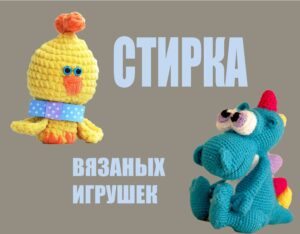 Surely every child, and maybe even adult, has a favorite stuffed animal. Even if it's not used daily, it will still collect dust. And if a child sleeps with a teddy bear every night, it will get dirty even faster, requiring more frequent washing. How do you wash knitted toys? Is it safe to toss them in the washing machine, or is hand washing better? Let's explore the nuances.
How to wash gently and effectively?
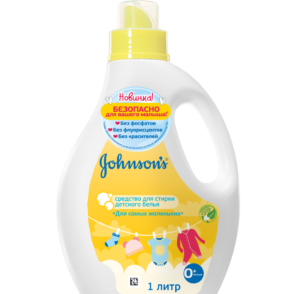
Knitted toys require special care. It's best to hand wash them in lukewarm water (30-40°C). It's important to use high-quality detergents without harsh ingredients. It's recommended to use baby laundry detergents. It is better to avoid using powder - its granules are difficult to rinse out of the yarn, remain inside and can cause allergies in children.
Thickly knitted toys can be washed in a washing machine.
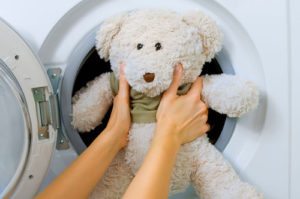
First, place the plush toy in a special laundry bag (if you don't have one, a regular pillowcase will do) and then toss it into the drum. Select a delicate cycle. Avoid spinning. Be sure to add an extra rinse to the cycle to completely remove any detergent residue from the yarn.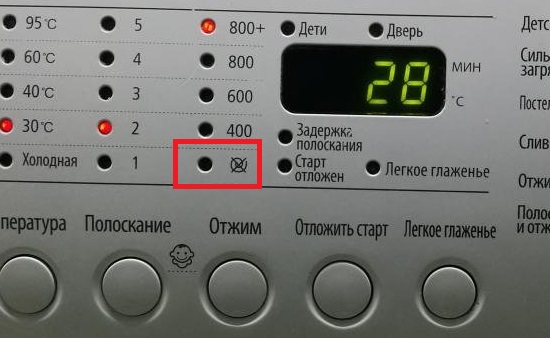
After washing, do not wring your handmade toys to prevent them from becoming misshapen. Pat them dry with a towel to absorb excess moisture. Lay your plush "friends" flat in a well-ventilated area to dry.
Of course, it's best to hand-wash knitted toys. This will minimize the risk of damage to the items. Here's the procedure:
- fill the basin with warm water (30-40°C);
- add detergent, whip up soapy foam;
- immerse the toy in water and leave for 15-20 minutes;
- wash the item with gentle movements;
- Rinse the toy several times, constantly changing the water.
Toys knitted from cotton threads can be completely soaked – this material is quite durable and does not warp. Bears and dogs made from wool are best dry-cleaned, otherwise there is a risk of shrinkage when washed. Be careful with glued-on decorations (like eyes and noses) – it's best to keep these areas away from water.
Dry and wet cleaning
If even the slightest risk of damage worries you, it's best not to subject your favorite knitted toy to a full wash. Dry or wet cleaning will do just fine. It is important to remember to clean your toys frequently to prevent dust from accumulating in the yarn.
A vacuum cleaner will help you care for your stuffed animals. Go over them with a dust collector every few days. You can also use a brush to periodically dust off stuffed bunnies and teddy bears.
There's a more unusual way to dry clean knitted toys. The procedure is as follows:
- put the toy in a plastic bag;
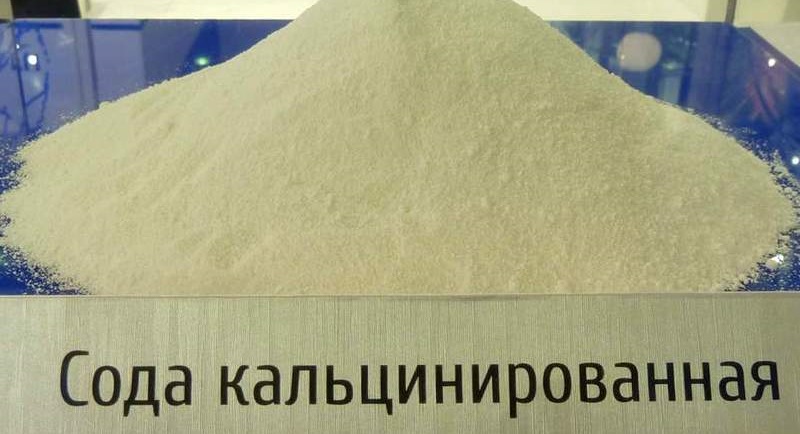
- sprinkle baking soda or potato starch inside;
- shake the bag vigorously for several minutes;
- Clean the toy with a soft brush (the dirt will come off with the baking soda or starch).
It's best to expose knitted toys to cold temperatures periodically. If it's winter, place teddy bears, bunnies, and dogs on the balcony. In summer, place your stuffed animal in the freezer for 5-6 hours. This will help kill any harmful microorganisms (if any have developed in the stuffing). Another option is to fill a basin with water, add detergent, and create a lather. Then, take a soft sponge and dip it in the soapy solution. Gently wipe the toy with the dampened foam, being careful not to absorb too much liquid.
Be especially careful when cleaning areas sensitive to moisture (such as felted wool elements, glued-on decorations, tinted areas, etc.). Rinse the sponge frequently to remove any accumulated dirt. To dry, lay the toy flat or blow it with a cool hair dryer.
Interesting:



Readers' comments
Headings
Washing machine repair




For buyers




For users


Dishwasher




Add a comment