Before placing a knitted item in the washing machine or hand washing, read the care label. The label explains how to best care for the garment to ensure it retains its properties, shape, and appearance. Knitted items should be washed with care. The care label specifies the optimal temperature setting, cleaning method (hand or machine), the suitability of bleach and fabric softener, and ironing recommendations.
Is it harmful to wash such things in the washing machine?
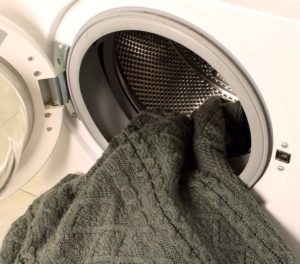
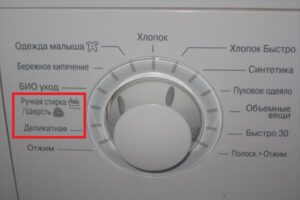
Housewives often wonder whether it's even safe to wash knitted items in a washing machine. In some cases, there's no information about this on the care label. Most modern washing machines have gentle care programs for delicate fabrics. It is permissible to wash knitted items in automatic washing machines, but only on gentle cycles, such as “Wool” or “Delicate Wash”.
However, experience has shown that only tightly knitted garments or those made from thick yarns with synthetic blends can be safely washed in a washing machine. As for pure wool items, especially if the yarn was hand-woven without any additives, it's best to play it safe. This increases the risk of damaging the item, so hand washing is recommended. Or at least use special bags to place the item in before washing.
Using the machine correctly
If you decide to wash knitted items in a washing machine, it's important to follow a few guidelines. These simple rules will help preserve the color, shape, and appearance of your favorite sweater or dress for a long time. Before loading the item into the drum, place it in a special laundry bag. This will prevent creases and prevent the fabric fibers from stretching during intensive washing. This will also prevent the garment from becoming misshapen. If you don't have a canvas bag, you can use a regular pillowcase with a zipper.
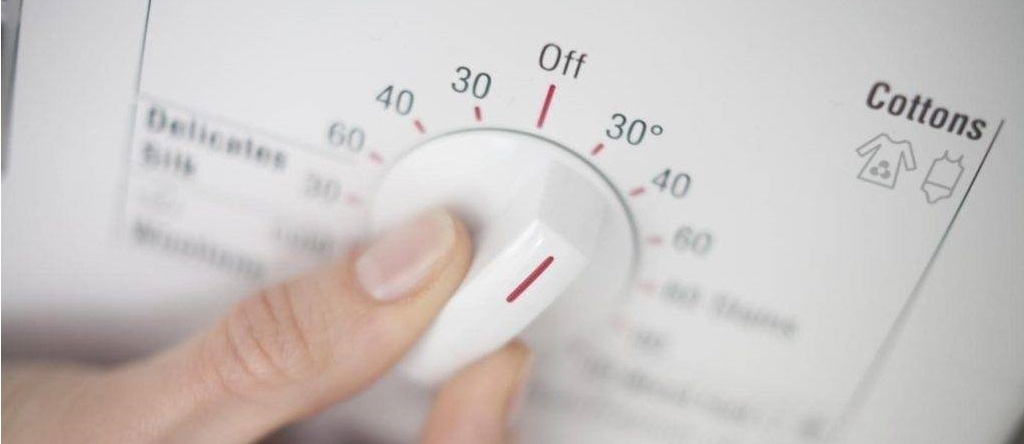
Next, you need to decide on the washing temperature. Water that's too hot can damage knitted items. Woolen garments with synthetic blends can be washed at 40°C. It's recommended to use slightly warm water, or even better, cool.
The optimal water heating temperature for washing pure wool items is no more than 30 °C.
To ensure the process is successful and doesn't end with sadness over a ruined item, it's important to select the correct mode. You can choose from the following programs:
"Delicate wash";
"Wool";
"Hand wash".
It's recommended to turn off the "Spin" option. However, if you're washing a thick-knit sweater or cardigan, you can use the automatic spin cycle, but at the lowest speed—400-600 rpm maximum.
Choosing the right laundry detergent is equally important. Liquid detergents designed for delicate fabrics, such as wool, are preferable. Powdered detergents, which dissolve well in water and rinse out easily, are also acceptable. The same applies to fabric softeners; they should be designed for delicate fabrics.
What to wash with?
Another “eternal” question that arises when it comes to washing not everyday clothes, but individual items. To extend the life of your favorite knitted dresses, sweaters, cardigans, scarves, and other wardrobe items, use special products that contain certain active ingredients.
It is better to avoid using chemicals containing surfactants, bleaches, enzymes, phosphates, chlorine and other aggressive components.
Let's present a short overview of products that will perfectly cope with the task of cleaning knitted items.
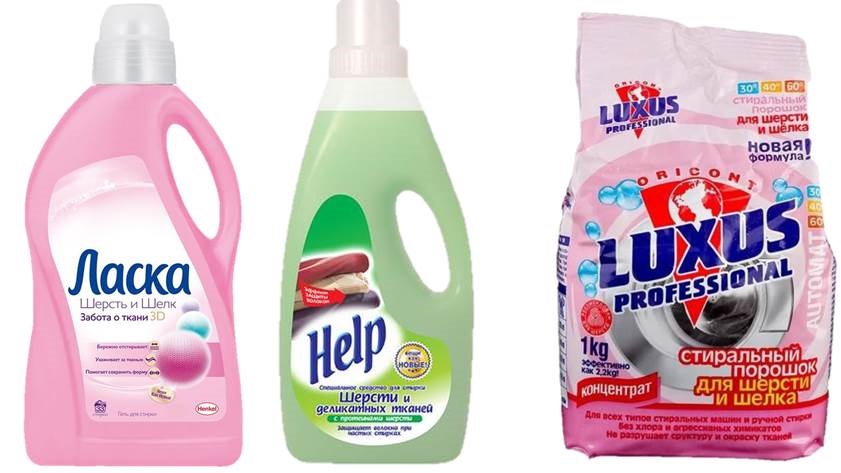
Liquid Laska. Wool and Silk. This budget-friendly product handles any stain with flying colors. It's perfect for washing knitwear. It can be used for hand washing or in washing machines. It has a delicate, unobtrusive scent and is very economical to use.
Help is a special detergent for washing wool. It does an excellent job of removing stains, leaving clothes soft and delicately scented. It can be used for both hand and machine washing. This inexpensive formula is used very slowly; one capful is enough for one cycle.
Luxus Professional concentrated powder is ideal for delicate fabrics, wool, and silk. Its special formula allows for maximum economical use. It's important to use the correct amount of powder, as using too much can damage the garment, leave stains, and cause color fading. It's phosphate-free and suitable for both hand and machine cleaning.
Nordland Gel for Wool and Silk. Biodegradable and hypoallergenic. It cleans delicate fabrics well and is suitable for washing machines. Customer reviews show that this product removes even the toughest stains and leaves clothes pleasantly scented.
Prosept Crystal is a universal detergent designed for washing delicate fabrics. Its special formula penetrates deep into the fibers, removing dust and dirt particles, and then rinses clean without leaving a residue. It effectively cleans clothes even in cold water, which is essential when washing knitwear.
A good laundry detergent is the key to successful care of knitwear. Therefore, it's important to choose it wisely. The formula should maintain the elasticity of the fibers, not damage the yarn, ensure softness, and preserve the properties of woolen fabrics.
Traditional washing
However, hand washing knitted items is the best solution. Only then can you fully control the process and clean the item as carefully and delicately as possible. Therefore, if possible, it is better not to touch the washing machine, but to wash the item yourself. This will ensure that the wool doesn't become misshapen or lose its shape. It's also easier to hand-wash individual stains that may have settled on clothing.
Some housewives believe it's much easier to dry clean a knitted item—professionals certainly won't damage the fabric. However, this belief isn't always true. Today, many companies offer subpar services, and choosing a dry cleaner should be done only based on reviews and recommendations from actual customers. It's easier and much cheaper to wash your items at home by hand.
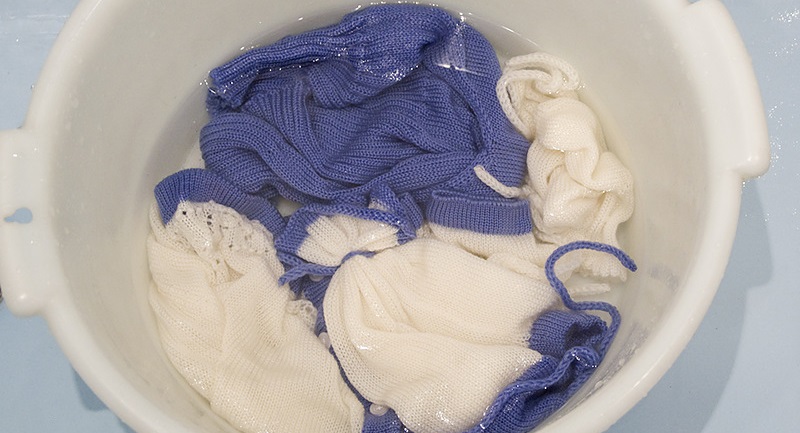
Fill a basin with the required amount of lukewarm water. Remember, the washing temperature shouldn't exceed 30-40°C. Place the knitted item in the basin and let it soak for about 10 minutes. If the water is too hot, the item will shrink a couple of sizes, so be careful.
After this procedure, remove the garment from the basin and gently wring it out. Fill the basin with fresh water and dilute a cleaning agent, such as Laska liquid or Luxus Professional concentrated washing powder. Then, begin the main wash cycle. If you don't have a detergent specifically designed for wool or delicate fabrics, you can use regular shampoo. It's best not to use gels and powders designed for cotton and synthetics on knitted items, as their ingredients can be too harsh and aggressive for delicate yarns.
Be careful with your movements, do not stretch the item when washing to avoid deforming it, and do not overwash individual sections - the threads will fray and the garment will look sloppy.
Lightly wipe the dirtiest areas—underarms, elbows, cuffs, and collar. Avoid scrubbing the garment, as this will certainly damage the knitting. If you're washing an openwork sweater made of very fine yarn, especially one with decorative elements, gently iron it, lightly crumpling the soiled areas. The washing process will resemble rinsing the garment in water, which will help preserve the knitting.
Once the fabric has been washed, it's time to begin rinsing. You can fill a basin with clean water or pour a larger amount directly into the bathtub. Pour fabric softener into the water. Gently squeeze the knitted item to remove the soapy water and place it in the bathtub. It is important to wash and rinse wool items in water at the same temperature; sudden changes will negatively affect the fabric.
While rinsing, gently twirl the garment with your hands to remove all the powder from the fabric fibers. Once the cleaning process is complete, do not wring out the knitted item. Simply gently squeeze the sweater, cardigan, or scarf with your hands to remove excess liquid. Now that the cleaning process is complete, it's important to dry the garment properly. There are a couple of tricks for this, too.
Removing moisture from clothes
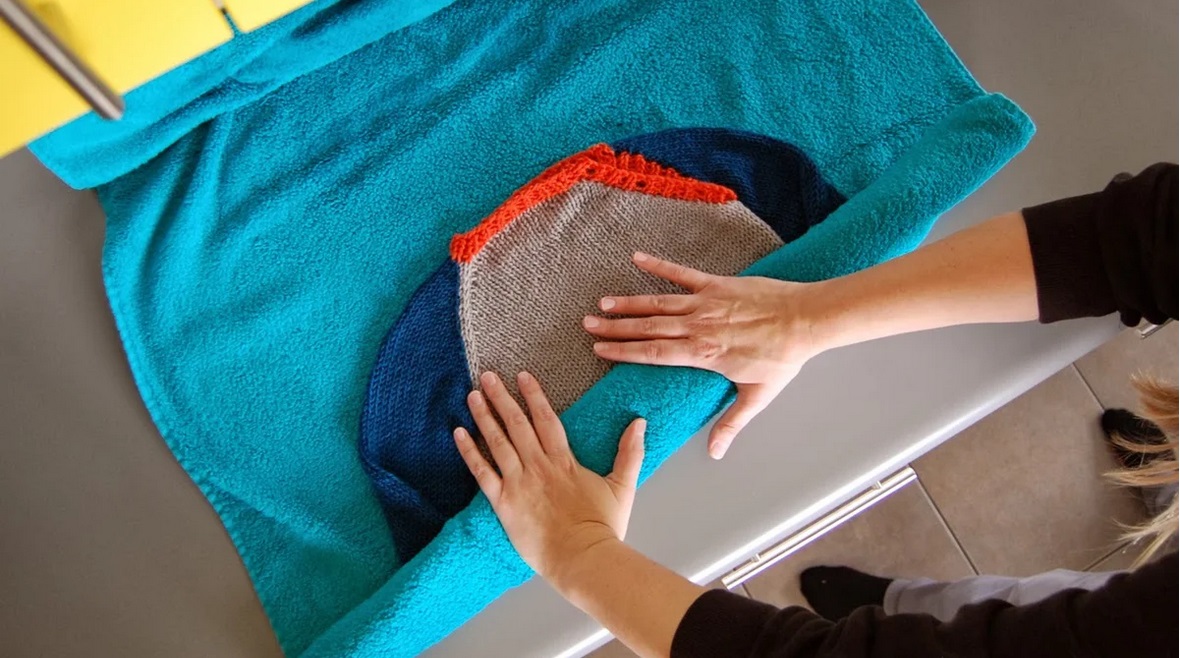
After most of the water has drained from the garment, wrap it in a large towel (preferably terrycloth) and press it lightly. The material will absorb excess moisture. Next, lay the sweater or cardigan out on a flat surface, covered with the towel. Lay the sweater on its back, then straighten the collar and sleeves. Make sure the garment lies flat, not pulled to one side or the other.
It is not advisable to dry knitted items on clotheslines.
In this situation, the garment will inevitably stretch and lose its original shape. It may also leave a wrinkled line from the laundry thread, which is often difficult to remove, as not all woolen garments can be ironed. It is not recommended to dry knitted items on batteries, near radiators or heating devices. Also, avoid hanging wool sweaters and cardigans in direct sunlight. The best option is to lay them out on a flat table or ironing board in a well-ventilated area.
If you do need to iron knitted garments, iron them from the inside out and always through an additional layer of fabric. However, if dried properly, ironing is usually unnecessary.
So, don't be afraid to wash knitted items. By following all the recommendations, you won't ruin your favorite item. The main thing is to strictly monitor the water temperature, avoid sudden changes, avoid rubbing the material vigorously during washing, and avoid wringing the item. Hand washing is best, but if time is short, using an automatic washing machine is also acceptable.
However, as practice shows, only tightly knitted items or items made from very thick threads containing synthetics can be safely loaded into the machine.

 Before placing a knitted item in the washing machine or hand washing, read the care label. The label explains how to best care for the garment to ensure it retains its properties, shape, and appearance. Knitted items should be washed with care. The care label specifies the optimal temperature setting, cleaning method (hand or machine), the suitability of bleach and fabric softener, and ironing recommendations.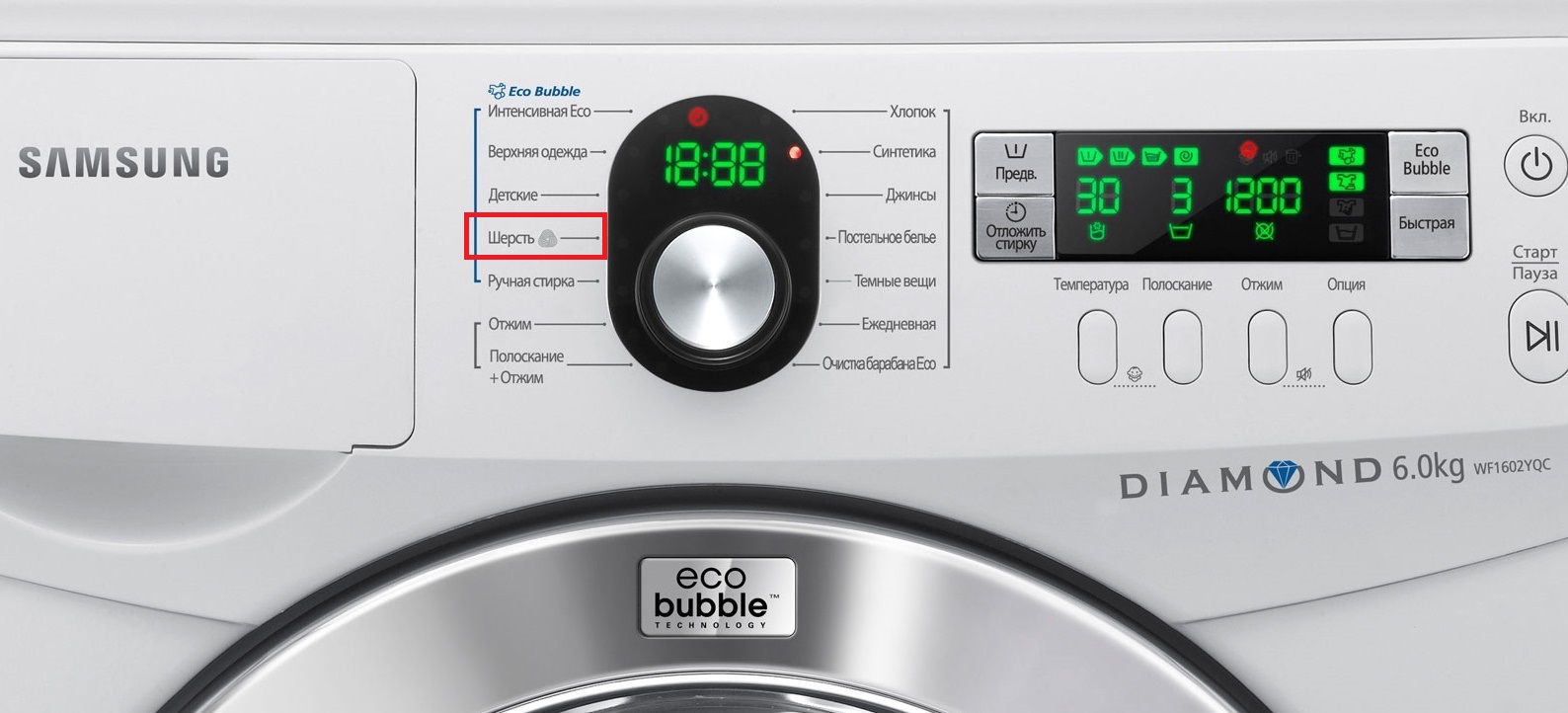



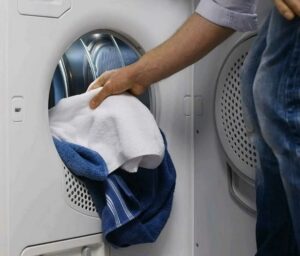














However, as practice shows, only tightly knitted items or items made from very thick threads containing synthetics can be safely loaded into the machine.