
Washing with liquid soap in a washing machine
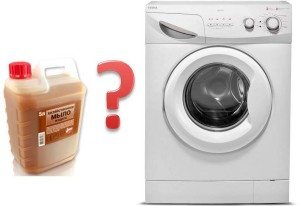
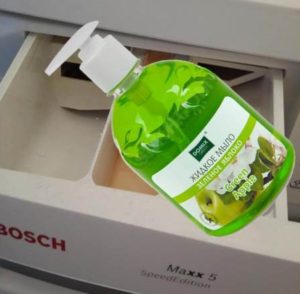 In search of a natural and affordable detergent, some housewives turn to liquid soap. It's readily available, inexpensive, hypoallergenic, antibacterial, and similar in consistency to laundry gel. But can you use it in your washing machine, and will it work? Let's find out.
Will liquid soap harm the washing machine?
A wide variety of detergents are available for washing machines: gels, powders, tablets, and capsules. However, they are often expensive, and completely natural and safe formulas are rare. So, some housewives might consider saving money and washing their clothes with liquid soap in the washing machine. But it's not that simple.
Professional detergents have an important quality: low foaming. Gels produce little foam, dissolve quickly, and rinse completely from fabrics. Soaps can't boast this: they foam heavily, and if you use more than 3-5 tablespoons, they'll fill the entire drum with bubbles. This is especially true when washing woolen fabrics, which, due to their fiber structure, increase foaming.
Liquid soap contains fatty acids, which are difficult to wash out and settle on the internal surfaces of the washing machine.
The second point is the presence of fatty acids in the soap, which are difficult to wash out of the machine and settle as a “film” on the walls of the drum, pipes and other surfaces of the machine. Without constant monitoring of the washing machine's condition and regular cleaning, the situation can lead to clogging or breakdown of the pump. Gels and powders, on the other hand, thanks to their special composition, dissolve quickly and are washed off with water without leaving a trace.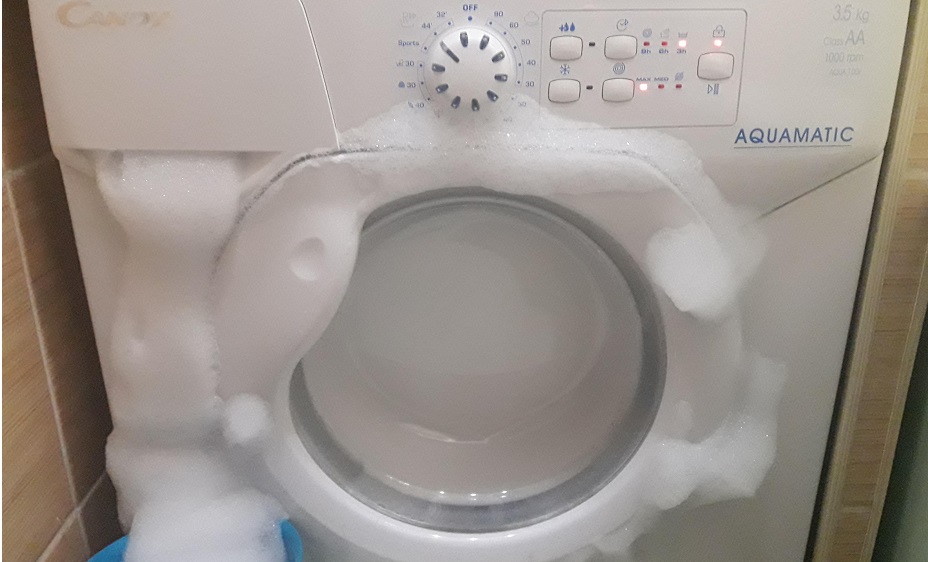
If you keep these nuances in mind, monitor the dosage, and clean the machine regularly, you can wash it with liquid soap. However, experts advise playing it safe, using it only when absolutely necessary, and regularly adding only special gels and powders to the litter tray.
Why are such remedies ineffective?
Another drawback of liquid soap as a detergent is its low effectiveness. Gels and powders for washing clothes are concentrates with optimally formulated active bleaching agents, color-shielding elements, and other chemical "gimmicks." Soap products lack surfactants, enzymes, and oxygen bleaches, so their cleaning performance is 30-40% worse.
Liquid soap washes 30-40% worse than regular washing powder or gel.
It's a different story if liquid soap is used in combination with a basic detergent. After washing or soaking in a soapy solution, the dirt will be removed from the fibers more quickly, and a subsequent wash with powder or gel will completely whiten the item. Fatty acids alone won't do the job.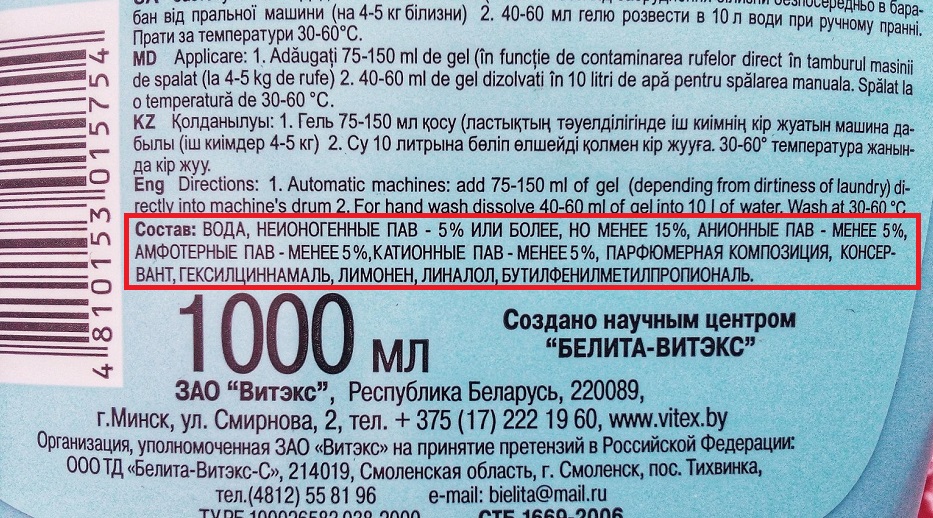
However, when washing clothes for children and those prone to allergies, soap alone is quite sufficient. It can also be used to freshen the garment and remove any slight unpleasant odor.
How to improve the effectiveness of soap?
A brief review made it clear that the soap only appears safe and effective for laundry. In reality, its natural ingredients and low cost can backfire – laundry won't be washed well, and a residue will form on the machine's surfaces. The clothes themselves are also at risk, as soap particles will settle in the fibers, making the fabric stiff and uncomfortable to wear.
Machine washing with liquid soap is possible, but follow these guidelines:
- dose soap at a rate of 30 g per 10 liters of water;
- turn on a high-temperature cycle for better dissolution of acids (minimum 40 degrees, ideally 70);
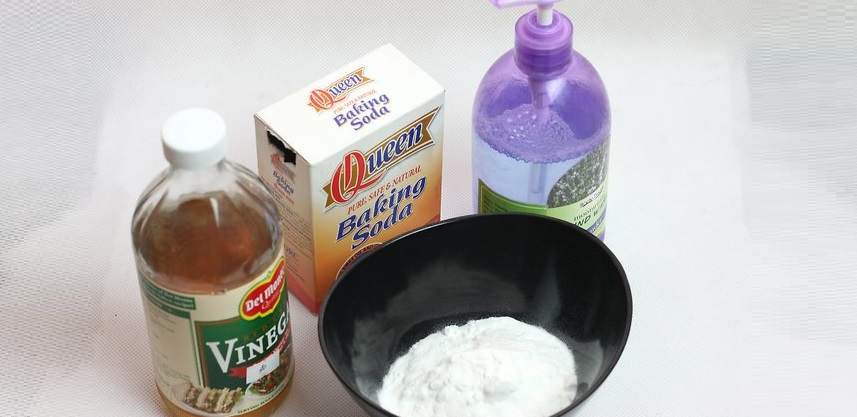
- Add three tablespoons of baking soda to the detergent dispenser to improve cleaning performance;
- activate double rinse to wash away soap scum from the drum and hoses;
- Clean your washing machine regularly.
The optimal dosage is 30 g per 10 l of water.
When calculating dosage, keep in mind that about 30% of the added product will soften tap water. Many people mistakenly believe they need to compensate for this amount by adding liquid soap. This is not true: be aware of increased foaming and use baking soda instead of softener. But first, check the water hardness by washing your hands under the tap. If foaming is rapid and abundant, there's no need to worry.
Liquid soap is not designed for machine washing and is not a complete substitute for gel or powder laundry detergent. Trying to save money can result in poorly cleaned laundry and a damaged washing machine.
Interesting:
1 reader comment
Add a comment
Headings
Washing machine repair




For buyers




For users


Dishwasher




Liquid soap produces significantly less foam than special liquids and gels.