
Washing elastane
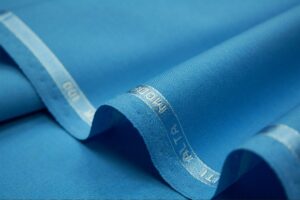 Elastane is a durable synthetic material, also known as "lycra" or "spandex." It's rarely used in its pure form, but it's often diluted into natural fabrics to enhance or impart certain properties. How do you wash elastane, or more precisely, items containing it, so that the fabric retains its appearance and properties?
Features of washing and drying
Blended garments typically contain a low percentage of elastane, so care for them should follow the care instructions for the base fabric. If the elastane content is significant, the following recommendations apply.
- It is better to wash the item by hand in cool or slightly warm water (25-30 degrees).
- You can wash elastane in a washing machine on a delicate cycle.
- Spinning at high speeds and strong manual wringing are contraindicated.
- Do not use conditioners or aggressive bleaches.
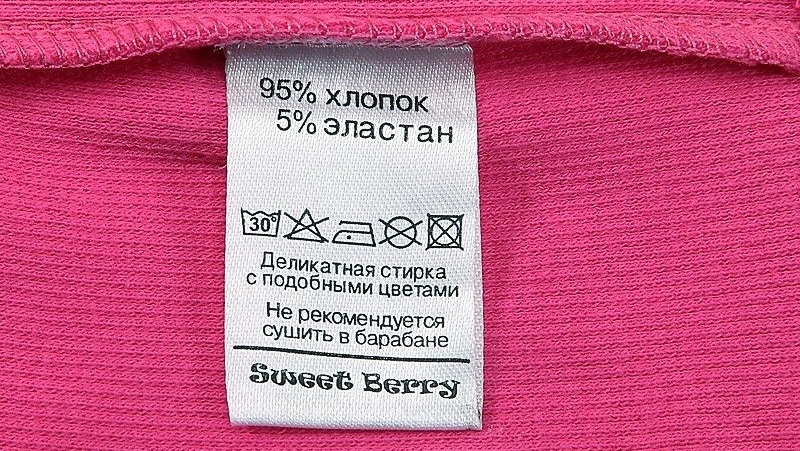
- Use mild detergents.
- Separate colored, dark and white clothes when washing.
Please note: Items containing elastane may become misshapen if dried incorrectly. Dry them naturally, laying them flat out of direct sunlight.
For the same reason, it's best to store this item folded in a closet rather than on a hanger, otherwise the fabric may stretch and lose its shape on a hanger. Elastane doesn't resist ironing, but don't overdo it. Keep the iron to a low heat setting and avoid steam or other harsh ironing methods. High temperatures have a negative impact on the condition of the fabric.
What items contain elastane?
Which fabrics are most often diluted with elastane? The list is quite long.
- Cotton.
- Flax.
- Silk.
- Viscose.
- Knitwear.
- Polyamide.
- Polyester.

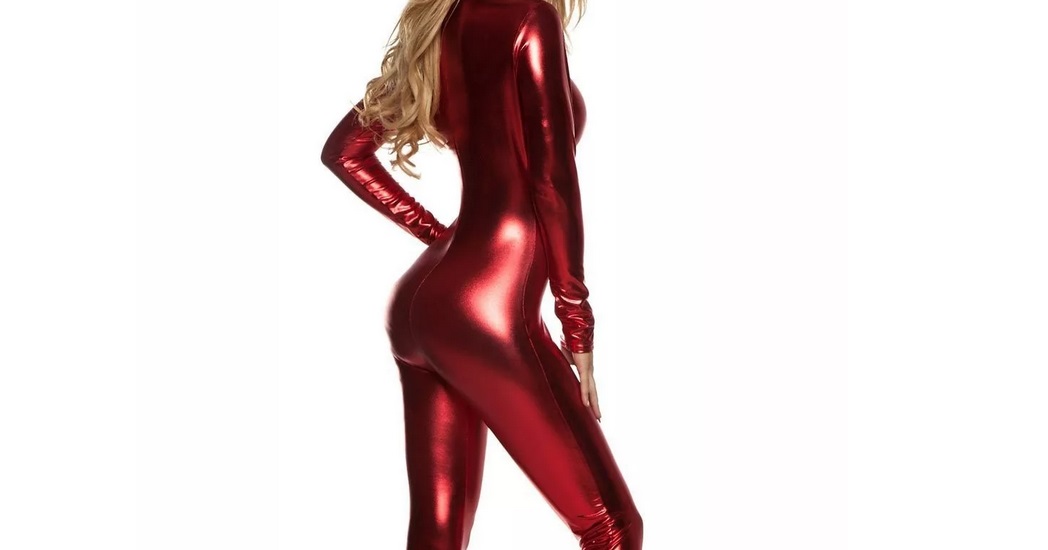
Elastane is used in a wide variety of clothing items. It's used in everyday clothing (tank tops, turtlenecks, jeans, shorts, and T-shirts), stage wear (dance and circus outfits), sportswear, workwear, and even holiday and carnival costumes. Elastane is also actively used in the production of underwear, swimwear, and hosiery (especially women's).
Important! The elastane content in blended garments ranges from 5% to 30%. The higher the percentage of elastane in a garment, the stronger and more stretchy it is.
Advantages and disadvantages of the material
Undoubtedly, the widespread use of elastane indicates that it has many positive characteristics.
- Elasticity. The fabric can be stretched up to 8 times its original length, and will then easily and quickly return to its original shape.
- Durability and wear resistance. Doubles the lifespan of the item.
- High density. Creates a "tight" effect, which beautifully accentuates the figure.
- Ease.
- Softness.
- Thinness. This allows the material to be combined with any other fabric.
- Breathable yet waterproof.
- Comfortable to wear.
- Resistance to pollution.
This type of fabric doesn't have many disadvantages. Elastane can be allergenic and can be damaged by prolonged exposure to direct sunlight and chlorinated water.
Interesting:



Readers' comments
Headings
Washing machine repair




For buyers




For users


Dishwasher




Add a comment