Can I add vinegar to my washing machine when washing?
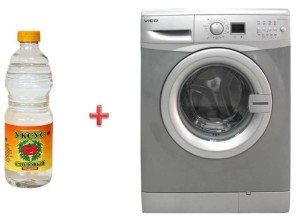
Enterprising housewives often use products in ways they weren't intended for, yet they still have successful results. For example, some say adding vinegar to the washing machine is beneficial, as it uses minimal amounts and delivers superior cleaning results. But whether washing with vinegar is truly safe remains to be seen.
How harmful is vinegar for appliances?
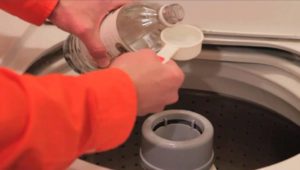
When it comes to the harm of a particular product, it all depends on the proportions. Of course, pouring a liter of acetic acid into your washing machine won't do much good. But if you know exactly how much vinegar to add, follow the dosage, use it sparingly, and only when necessary, there won't be any harm to your machine. On the contrary, vinegar's water softening properties, when used regularly, will prevent scale and limescale buildup on your machine's internal components. Therefore, adding vinegar to your washing machine is essential!
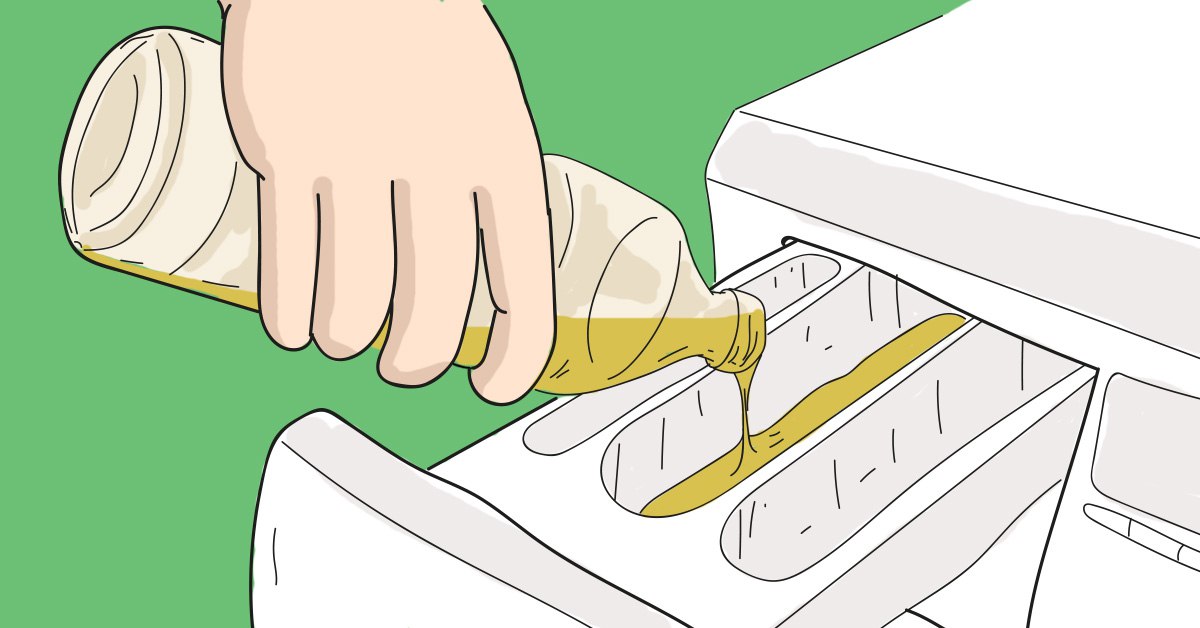
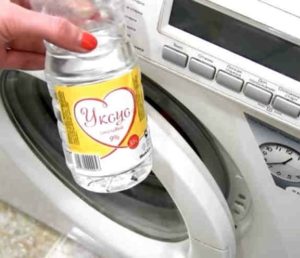
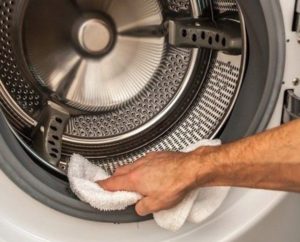
Important! So, periodic vinegar isn't just harmless for your washing machine; it's actually beneficial. It can be used for rinsing and cleaning the inside of the machine, not just for washing. To do this, pour vinegar into the detergent dispenser and run a cycle without any laundry.
Of course, any acid is quite strong. But vinegar is far less aggressive than dry detergents, bleaches, and other commercial detergents. This is evidenced by the fact that housewives often wash delicate fabrics with vinegar. Finding a suitable, gentle detergent for them can be quite challenging.
The only drawback is the smell. It lingers on items after washing, inside the machine, and spreads throughout the apartment after opening the door. However, acetic acid is very volatile, and the smell quickly dissipates. If for some reason the smell persists, the "aroma" will dissipate after the first wash with regular detergent.
Benefits of vinegar in laundry
As mentioned above, one of the main benefits of a 9% vinegar solution is its ability to soften water. But there are other, lesser-known, but no less important, benefits:
Replacing fabric softener. Washing with vinegar makes clothes softer.
Antistatic properties.
Ability to remove ingrained odors of sweat or perfume.
Whitening properties without damage.
Antibacterial properties.
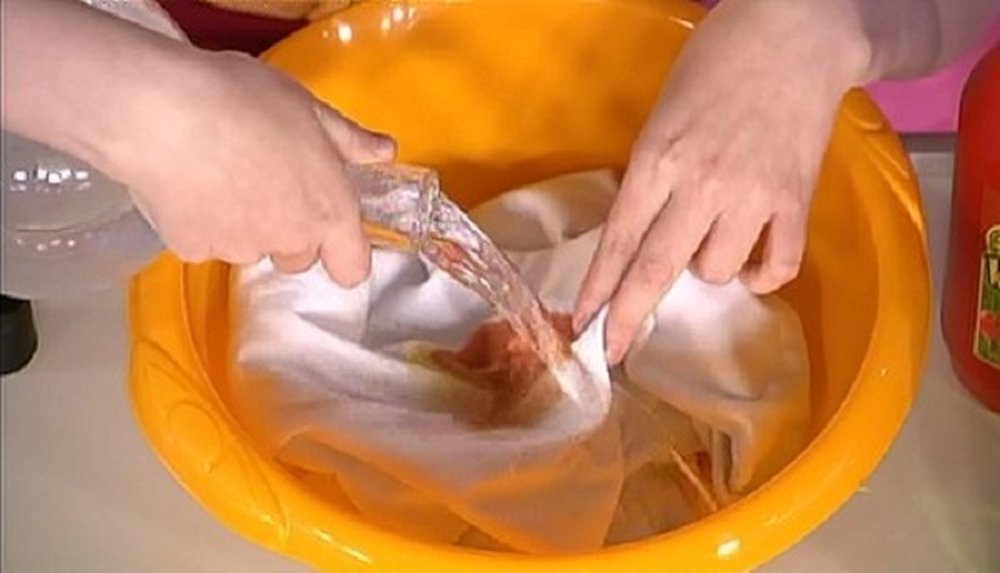
Moreover, over time and experience, many housewives have discovered the indispensable properties of vinegar solution in everyday life: fixing bright colors on clothing and removing greasy stains. For example, by washing a new multi-colored item with vinegar, you will eliminate the risk of it fading for a long time. If you get a greasy stain on your clothes, don't panic. Simply pour vinegar on the stain and then wash it: the oil stain will be gone!
Application options
It's crucial to know how to use vinegar based on the properties you want to achieve. After all, proper use determines the final result, and that's crucial!
Fabric softener. It's best to wash newly purchased items this way to impart antistatic properties and remove any factory-applied impregnation. Add a cup of vinegar to the fabric softener compartment and wash the items as usual.
Bleaching. To whiten fabrics yellowed with age, add vinegar directly to the drum. Even if the machine is full, one cup is enough for excellent results.
Disinfection. To perform antibacterial treatment, pour two cups of the solution into the regular detergent compartment and run the "Rinse" cycle. Follow the same procedure to disinfect the machine's parts.
Stain removal: Simply soak the stains in vinegar and wait a few minutes. If stains aren't completely removed, repeat the process.
Machine maintenance. Using acetic acid once a month is sufficient. Your machine will remain in perfect condition, you can be sure of it. Pour five cups of vinegar into the main detergent compartment and run a regular wash cycle without laundry. This is effective not only for preventing stains but also for completely removing them. Even the most advanced case can be “treated” with vinegar, and this is truly amazing.
If you don't have any specific goals, you can use a solution for complex care. Simply add a small amount of vinegar to your regular detergent. It will then act as a conditioner during rinsing, a bleach, and even a disinfectant. Isn't that amazing?
It is important to strictly adhere to the dosage of the product, otherwise you can ruin your things.
As you can see, it's no wonder many of vinegar's properties remain undisclosed, as detergent manufacturers don't benefit from a much cheaper and far more effective competitor. However, it's worth noting that you shouldn't completely abandon conventional laundry detergents; after all, you can't do without them.
Effective and hypoallergenic
Good news for new moms! Unlike most laundry detergents and detergents, which contain some chemical allergens, vinegar is completely safe for babies. The only thing that might bother your little one is the notorious smell, but if you air out the laundry thoroughly, it will disappear. After washing your baby's clothes with vinegar, you can rest assured: the product is completely hypoallergenic.
Important! Vinegar is also good for washing because it doesn't leave a whitish residue on fabric, unlike most dry detergents.
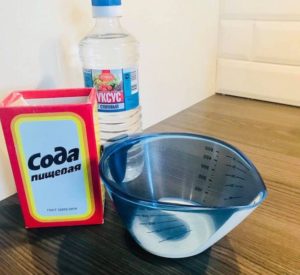
When washing items with stubborn stains, you can add a little baking soda to the vinegar. Together, these two ingredients provide excellent bleaching power, effectively removing even stubborn stains like blood, grease, fruit, and more. The baking soda and vinegar mixture is similar to regular laundry detergent. To remove stains, you can add the mixture directly to the detergent dispenser, or spot-treat the stains immediately before washing. In particularly difficult cases, a combination of both is acceptable.
The versatility of the solution is amazing. It is used not only for washing, but also in hair care, household appliances, for illnesses, and more.But always remember that in any case, an overdose is never a good thing. Use vinegar in moderation, and it will continue to surprise and delight you.

 Enterprising housewives often use products in ways they weren't intended for, yet they still have successful results. For example, some say adding vinegar to the washing machine is beneficial, as it uses minimal amounts and delivers superior cleaning results. But whether washing with vinegar is truly safe remains to be seen.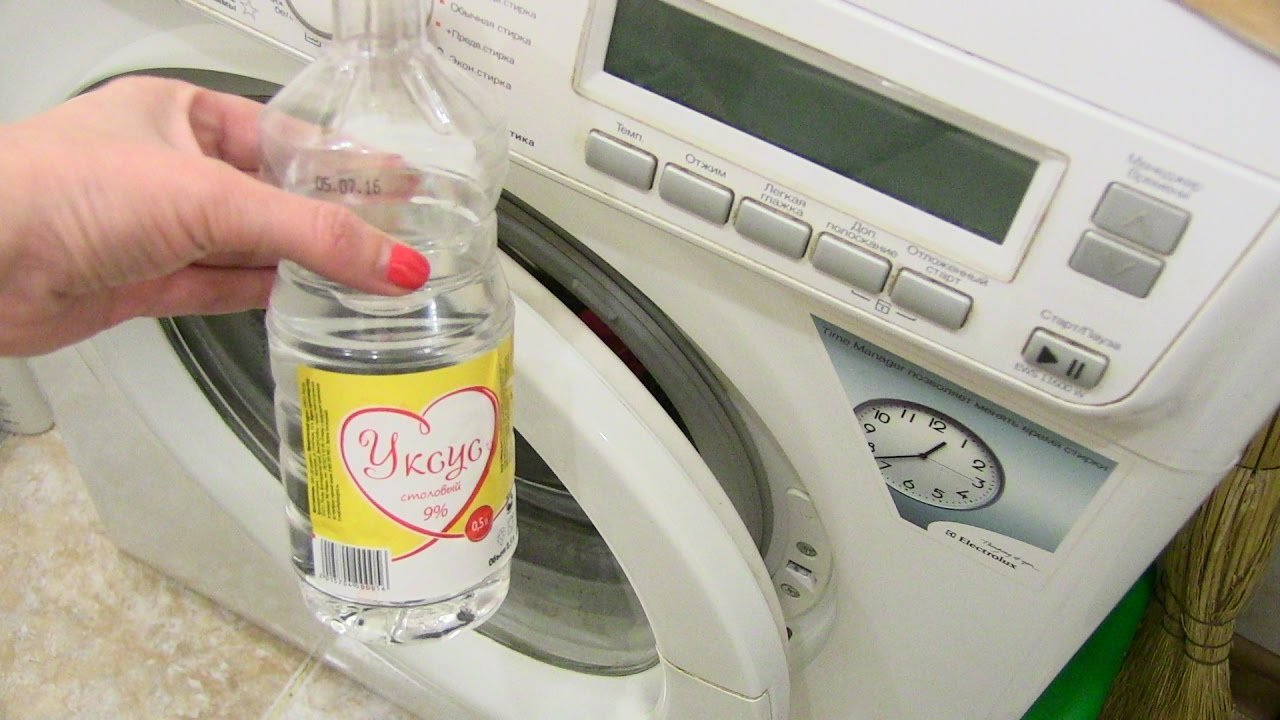














How much 70% vinegar should I add to my laundry? How do I soak it?
Dilute to 9%
What an indispensable household product, and most importantly, it costs pennies!
How much vinegar and soda and for how many liters of water?