
Washing mixed fabrics
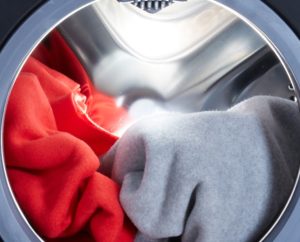 Many people prefer to wear clothes made from blended fabrics. These modern, combined materials combine the benefits of both natural and synthetic fibers. They are practical, durable, affordable, and inexpensive. But not everyone knows how to properly wash blended fabrics. Rather than relying on trial and error, we suggest understanding the nuances of cleaning so-called "blends."
What fabrics are we talking about?
The name speaks for itself – mixed fabrics include fabrics made from several types of fibers, artificial and natural. It is difficult to say their exact number, since every year new textiles with improved characteristics and properties are invented and introduced. The range of uses for the mixture is also impressive: it is used to make home and sportswear, underwear, camping equipment, clothing, and uniforms.
The mixture is also widely available on the Russian market. The most common names are:
- Taslan. Made of polyamide and finished with a grosgrain weave, protective impregnation, reinforcing threads, and reinforcing cord. All this makes the fabric practical, durable, and resistant to deformation.
- Tisi. A cotton and polyester blend that resists creases, wrinkles, and snags, and boasts high breathability. Often used in medical gowns.
- Duspo. A versatile blended fabric made of polyamide fibers and plain weave. Treated with a special impregnation for increased wear resistance.
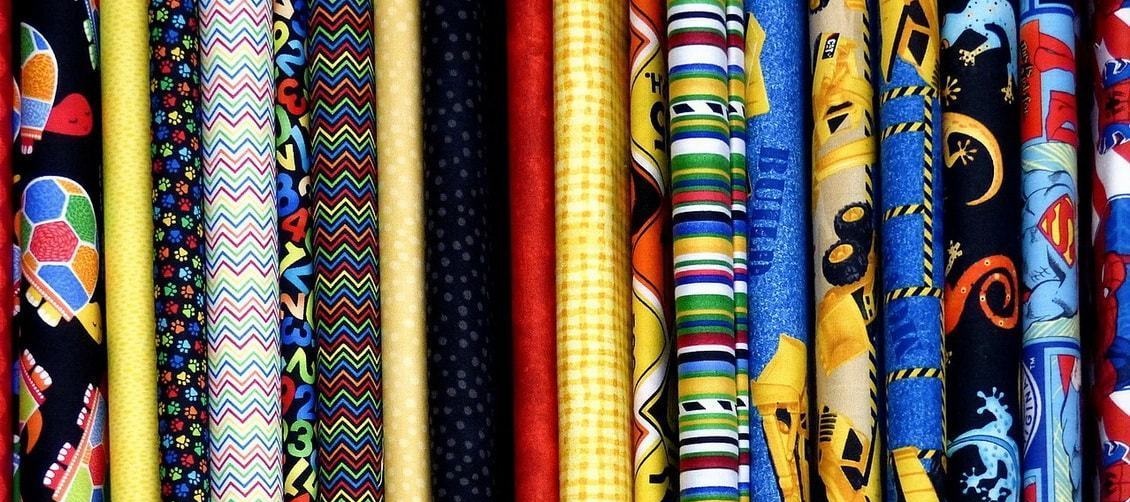
- Taffeta. A combination of polyester and nylon, it's stretchy, shiny, and shimmers in the light.
- Memory foam. A unique material with a memory effect: after deformation, it retains its shape until washed and ironed. It is made of synthetic fibers, but variations using cotton threads are also available. It is important that the percentage of natural fibers does not exceed 30%, otherwise the garments will lose their memory.
- Oxford. A blend of nylon and polyester, finished with a water-repellent finish.
This is only a small selection of the blended fabrics created. But listing all the variations is pointless—all blended fabrics wash virtually identically.
Care Features
Blended fabrics have unique properties, and the effect lasts for up to 5 years of active use. This is provided, however, that the consumer properly cares for the garment and follows the manufacturer's recommendations. These are always included on the label. Most blended fabrics are machine washable. However, there are exceptions, marked "dry clean only."
It's important to figure out in advance what to wash items made from mixed fabrics with. Products containing bleach, chlorine, and fabric softener can damage the material. Only durable uniforms can withstand harsh detergents; for other items, it's best to use a gel or gel capsule.
When washing a mixture automatically, select the “Mixed fabrics” or “Synthetics” mode.
Let's also remember the following recommendations: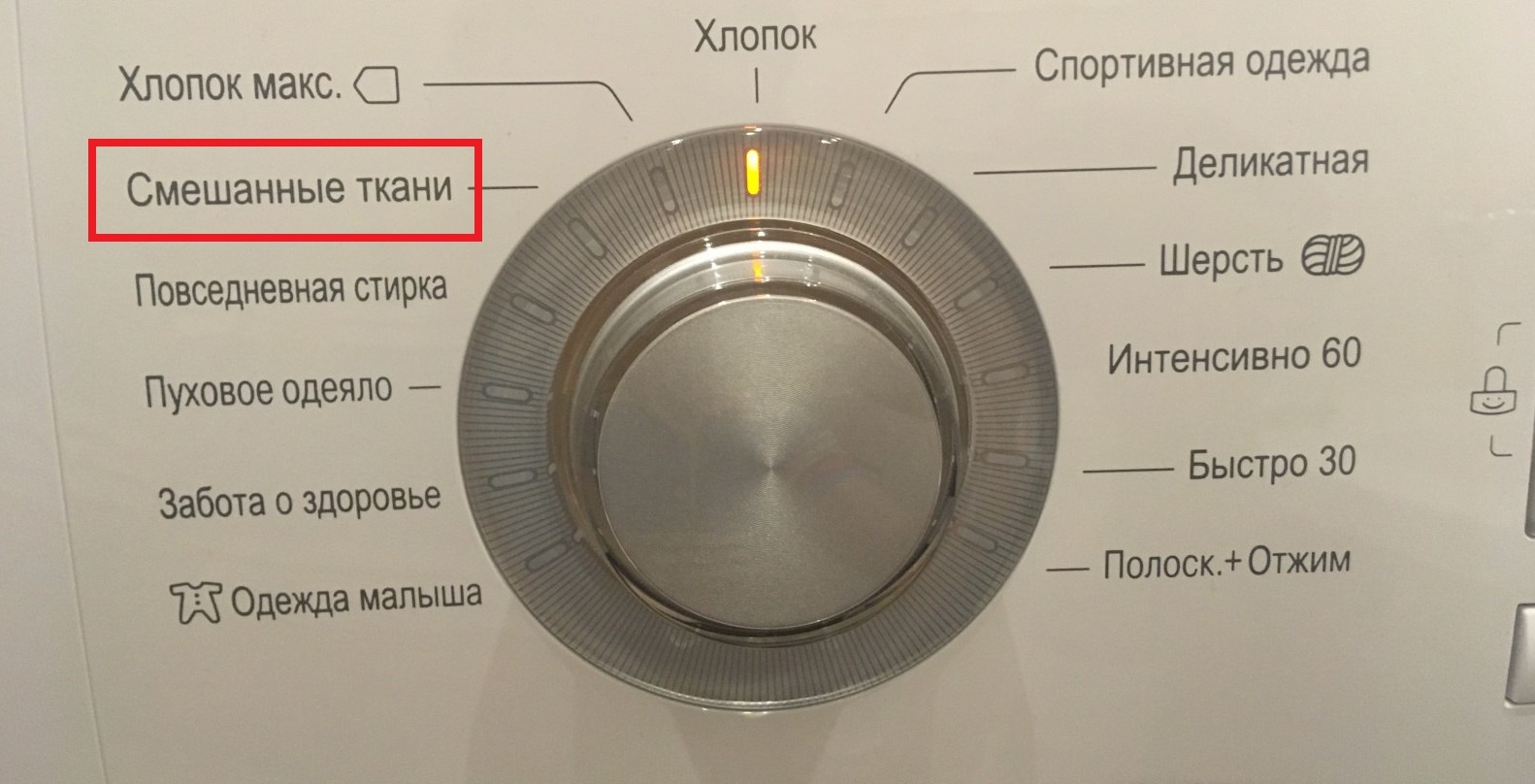
- when washing in a machine, select the “Mixed fabrics” or “Synthetics” program (or, as a last resort, “Quick wash”);
- turn off the automatic spin;
- we check that the water heating temperature does not exceed 40 degrees;
- We avoid using a tumble dryer and hang the item to dry in a ventilated room away from heating appliances and direct ultraviolet light.
Bleaching, boiling, or soaking items made from the mixture is not recommended—it's best to limit contact with water. In most cases, a full wash is not necessary. A gentle detergent and a quick wipe are enough to clean your clothes.Mixed fabrics are treated with a special impregnation that repels dirt and prevents stains.
Blended textiles offer consumers a "golden mean": the durability of synthetics and the breathability of natural fabrics. The result is wear-resistant, breathable, and comfortable clothing suitable for everyday wear, sports, and safe work. The key is to be mindful of the material's properties and care for it properly.
Interesting:


Readers' comments
Headings
Washing machine repair




For buyers




For users


Dishwasher




Add a comment