
How to wash workwear in a washing machine?
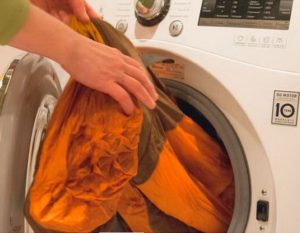 Sanitary regulations require employers to clean workwear. But in reality, cleaning oil, varnish, paint, and grease on coarse fabrics requires home cleaning. To ensure machine washing of workwear is effective, you need to know how, how long, and what to use to remove stubborn stains. Step-by-step instructions, examples, and recommendations will help.
Find out everything about a thing
Workwear is designed for "dirty" and dangerous work, so it's made from coarse fabric, often treated with various impregnations and additives. Another unpleasant side effect is that it also tends to pick up specific stains. Frequent "guests" on work clothes are fuel oil, paint, adhesives, construction foam and machine oil. Washing such items is difficult, time-consuming, and sometimes dangerous.
There are three ways to deal with dirty work clothes:
- wash by hand;
- use a washing machine;
- take the item to the dry cleaner.
Before washing workwear, you must carefully study the manufacturer's label.
The decision on how to wash workwear depends on the type of fabric and the degree and nature of the stain. Most often, industrial stains can be removed at home, saving you the expense of laundry services. However, sometimes professional cleaning is essential – sanitary regulations require that some categories of workwear be dry-cleaned.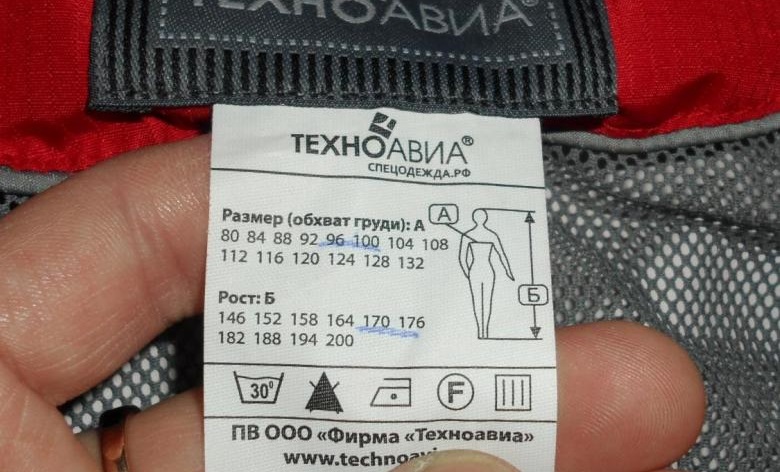
The following types of clothes are prohibited from being washed at home.
- Items treated with a special heat-protective solution. This treatment protects quilted trousers, linen, and linen-cotton-polyester fabrics from exposure to high and low temperatures. Washing these garments in a regular washing machine will remove the additional layer, and the suit will lose its protective properties. This, in turn, will put the worker's life at risk. Therefore, it is necessary to either dry clean or re-treat the fabric after washing.
- Items worn when working with poisons and chemicals must be disinfected or decontaminated before washing them in the washing machine or by hand.
If a worker comes into contact with poisons and chemicals, then before washing at home, it is necessary to disinfect the workwear at a dry cleaner.
Ideally, a dedicated department at the factory should provide information on the washing instructions for a particular piece of equipment. The manufacturer's tag—a label that clearly outlines the care instructions—is also very helpful. The following markings are most commonly found on uniforms:
- "circle" - dry wash possible;
- “A” – the fabric will withstand any cleaning solution;
- “P” – do not use products containing trichloroethylene;
- "F" – cleaning compounds based on petroleum products can be used.
If you follow all the instructions on the label, the fabric will be cleaned without the risk of deformation or damage to the garment. It's important to remember this information, as the label may wear off after several washes. It's best to cut off the label immediately and remove it when needed.
Machine washing instructions
Washing work clothes by hand is very difficult: dense fabric becomes heavier when wet, and stubborn stains require vigorous rubbing.It's better not to suffer, but to immediately seek help from the washing machine. However, here too you will have to come to terms with several important rules: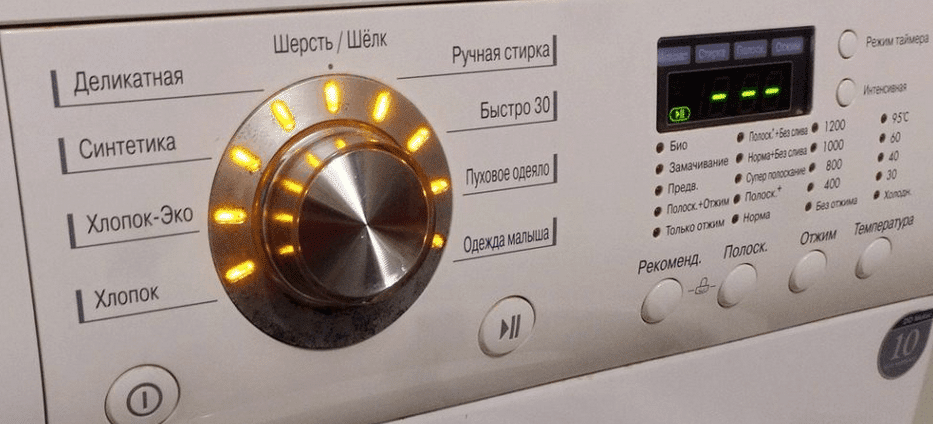
- clothes with stains from paint, fuel oil and varnish should be pre-soaked in hot water for at least 2-4 hours;
- select the highest possible washing temperature;
- the overalls can be washed on a normal cycle, as well as on the “Sports wash” and “Workwear” cycles;
- Add a heavy-duty stain remover to the powder.
If there are oily or fuel oil stains, it is necessary to pre-soak the work clothes for several hours.
The cycle length is determined by how heavily soiled the item is. If the stains have lifted after pre-soaking, a standard 30-50 minute wash cycle is sufficient. Detergents are also selected individually: regular washing powder is usually sufficient, but sometimes bleach solutions containing vinegar, laundry oil, or baking soda are added.
How often do you need to refresh your overalls?
The frequency of washing clothes depends on the degree and nature of soiling, as well as the conditions in which the workwear is used. In some cases, daily cleaning is recommended, while in others, it's recommended to wash them quarterly. The frequency and intervals are specified in sanitary regulations and relevant decrees of the Russian Ministry of Labor.
Workwear can withstand at least 20 washes without losing its original protective properties, shape, or color.
Thus, sanitary regulations require daily laundering of uniforms used in food service establishments, especially if the worker processes dairy or meat products. There are no strict time limits at factories—everything depends on the worker's meticulousness. According to Resolution No. 36 of the Ministry of Labor, companies are required to regularly clean overalls. This must be done within the specified timeframes and with the required records maintained.
We wash out ingrained stains
If the dirt on your work clothes is deeply ingrained, it's important to soak it before washing. This is especially true if the clothes contain oily or paint-like substances, which, when released into the drum, will spread throughout the machine, staining and damaging the internal components. Some stains disappear after an hour in clean hot water, while others require more serious bleaching and 2-4 hours.
Most stains can be removed by soaking in warm water with dissolved laundry soap. Scrubbing with a brush and sponge or adding strong stain removers can enhance the effect. Rubbing the affected areas with turpentine can also help. Bleach is used to remove pigments, while petroleum products and active alkalis are effective against grease.
Removing traces of machine oil
When working at service stations and gas stations, you might encounter fuel oil stains on your work clothes. You can remove this liquid from fabric using turpentine, gasoline, ammonia, acetone, baking soda, or laundry soap. Treat the affected area with any solution and soak it for an hour.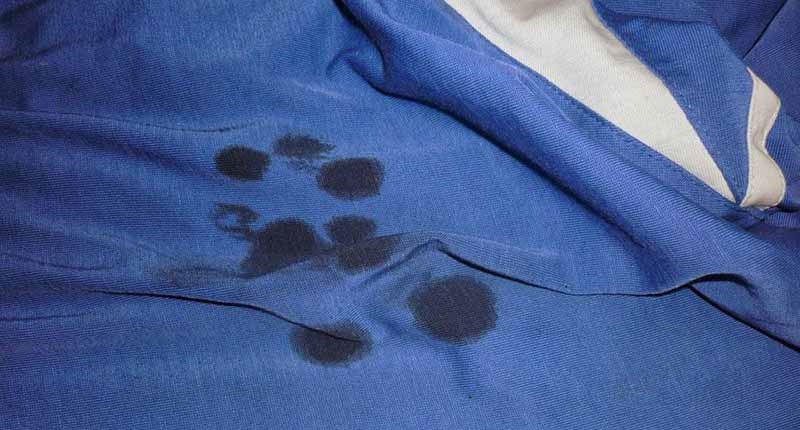
A less aggressive cleaning method is offered by dishwashing gel: rub the stain and soak it in the solution for 24 minutes. Oil, butter, or essential oil, as well as steaming the inside of the garment through paper, are also effective. Afterwards, rinse the garment and wash it on a standard cycle.
How to dry?
After washing, dry the item properly. A strong spin cycle will damage dense fabric, so reduce the spin speed and allow the water to drain freely. Drying clothes artificially with an iron or radiator will ruin the appearance of the robe: it is better to hang it in the fresh air until completely dry. Fresh air will also help neutralize any lingering odors from soaking and bleach.
It is possible to clean work clothes at home, but only if all sanitary and safety regulations are observed.
Interesting:

Readers' comments
Headings
Washing machine repair




For buyers




For users


Dishwasher




Add a comment