
Water won't drain from my Bosch dishwasher
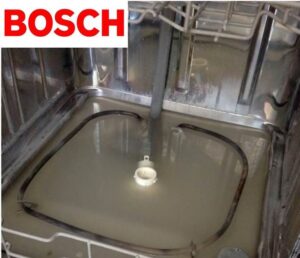 If your Bosch dishwasher doesn't drain after a cycle, don't call a repairman; you can usually fix the problem yourself. When water is standing in the bottom of the dishwasher, first disconnect it from all power lines and then drain all liquid from the wash chamber. The problem may be due to a clogged drain system or a malfunction in one of the dishwasher's key components. We'll take a closer look at all the possible causes of this malfunction.
List of causes of the problem
There are many reasons why water won't drain from Bosch appliances, and most can be resolved at home. If the drain isn't working properly, it could be due to the following reasons:
- clogged drain hose;
- clogging of the PMM filter unit;
- damage to the water level sensor;
- failed pump;
- blockage of the siphon or sewer;
- faulty control module.
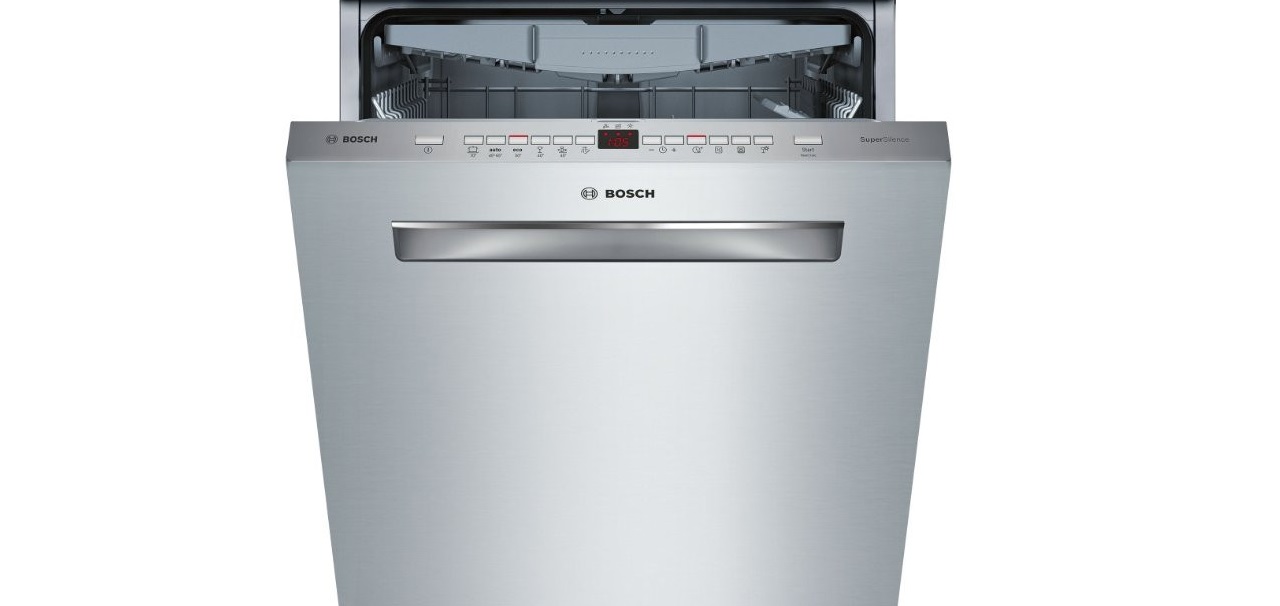
The cause of a malfunction in a Bosch dishwasher isn't always obvious. Sometimes you'll have to try all the possible solutions to find it. You should always start with the most basic thing – studying the drain hose. You should check to see if it's kinked, has a heavy object resting on it, or is clogged. If you find a blockage, you can remove it with a long metal wire and then flush it with a strong stream of hot tap water.
After the hose, you need to inspect the device's debris filter and drain pump. If they are in good condition, you can move on to the water level sensor. We'll describe how to operate all of these components in detail in the following sections of this article.
The system is clogged
A clogged dust filter is often the cause of a dishwasher's water drain. This is because the filter constantly accumulates food debris, fruit pits, tea leaves, pieces of napkins, and other foreign objects that may have been left on dirty dishes. Therefore, it's important to periodically check the dust filter located at the bottom of the dishwasher's wash chamber. What should you do to clean it?
- Disconnect the Bosch dishwasher from all utilities.
- Remove water from the tray in the wash chamber.
- Remove the debris filter.
In modern dishwashers, the filter unit consists of coarse filters, fine filters, a mesh filter, and supporting parts, each of which needs to be cleaned at least once a month.
Once you have removed the entire unit, you need to disassemble it into its individual components and then thoroughly wash each filter. If parts of the filter unit are covered with limescale, the contamination simply will not go away, so you will have to immerse the parts in a citric acid solution for several hours.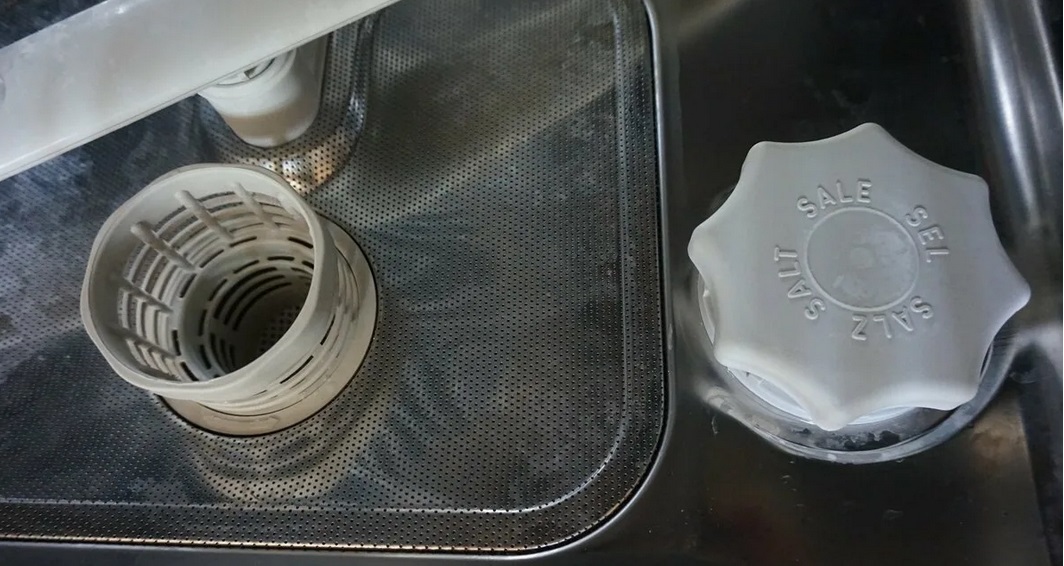
Don't forget to clean the dust filter housing, which also often accumulates dirt and food debris. Once cleaning is complete, carefully reassemble the unit and reinstall it. Be sure to test your Bosch dishwasher to see if the problem has been resolved or if you need to look elsewhere.
If the drain problem persists, you should carefully examine the sewer pipe and trap. If the drain is clogged, water will drain poorly from the dishwasher and the sink. You can test this theory as follows:
- detach the machine's drain hose from the siphon;
- install the end of the corrugated pipe on the wall of a basin, bucket or other empty container of a suitable size;
- Turn on the dishwasher for a short period of time.
This test will help you determine whether the waste water is draining or remaining in the appliance. If water remains in the tank, a clog isn't to blame, but if it starts draining, the problem is in the trap, which needs to be disassembled and cleaned. If you don't have time to clean the trap manually, you can purchase a household chemical for cleaning traps. Most appliances are connected to the outlet under the kitchen sink, so pour the solution into the sink and let it sit for a while.
The problem could also be in the sewer pipe itself. In this case, you'll need to call a plumber, as the clog may be deep in the pipe, making it impossible to clear on your own.
If you've ruled out all the above options, you'll need to partially disassemble your Bosch dishwasher to examine and repair any damaged components. First, check the pump, then the water level sensor, and finally, the dishwasher's control module.
The drain pump is not working properly
The pump in the dishwasher is needed to pump used water from the tank to the sewer. The drain pump itself doesn't last forever, as it can either become clogged or burn out, requiring cleaning or replacement. In any case, for a complete diagnosis, the unit must be removed from the housing of the household appliance.
To remove this part, you'll need to partially disassemble the appliance, first laying it on the floor and unscrewing the drain pan. If this is more convenient, you can try removing the side panel of the dishwasher instead of the bottom to remove the drain pump.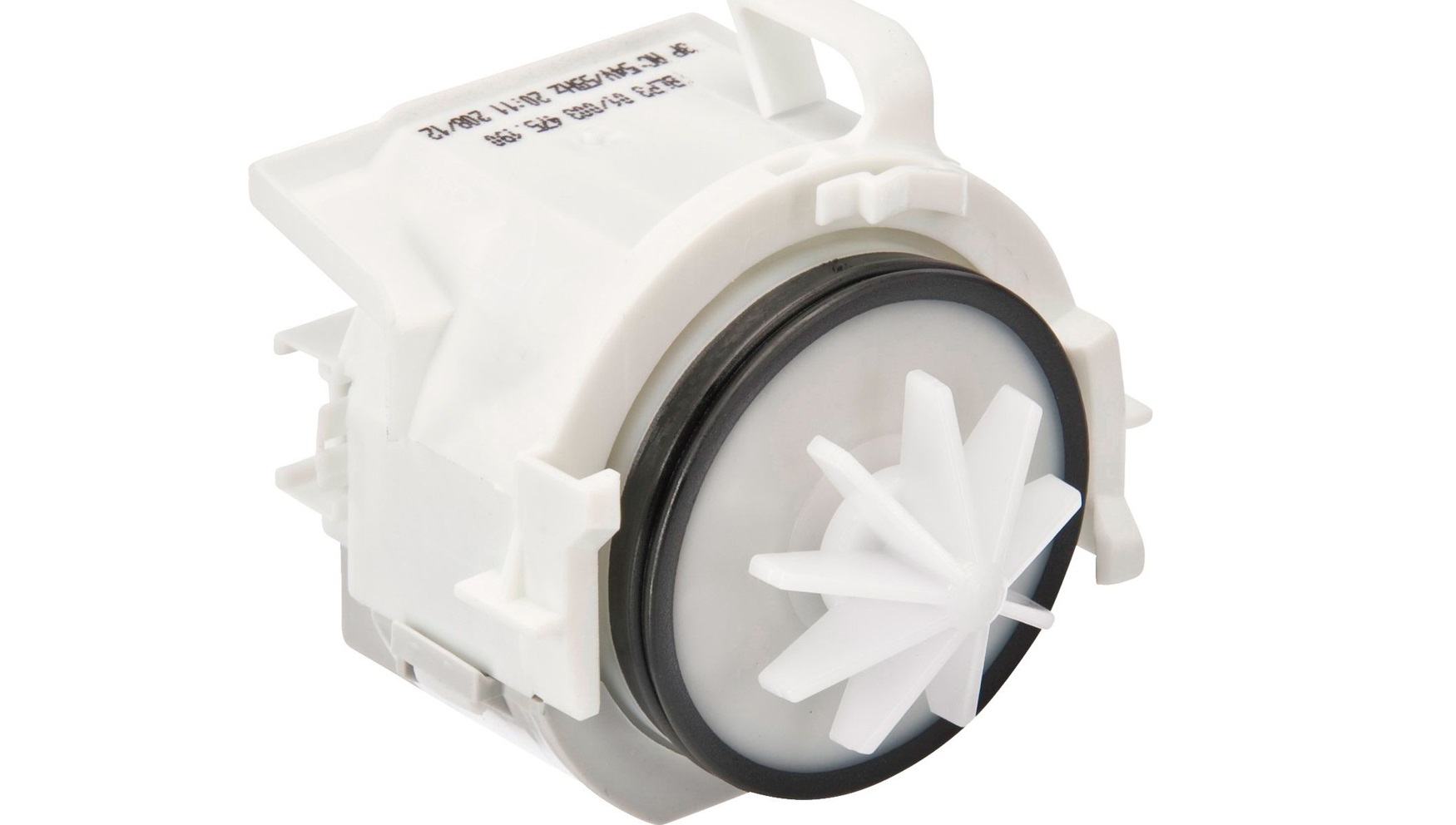
Once you have clear access, remove the pump, disconnecting all hoses and wires. Once the pump is removed, inspect the impeller—the blades should rotate freely, and there should be no foreign objects inside, such as fruit pits or shards of glass from accidentally broken dishes.
Don't rush to disconnect the wiring from the pump - first take a few photos so you have an example of how to properly connect the wires.
If the impeller is in good condition, you should check the drain pump itself. To do this, you'll need a standard multimeter. Set it to resistance mode, connect it to the pump, and check the reading; it should be approximately 200 ohms. If the reading is significantly different from the norm, the pump will need to be replaced, which is not even worth attempting to repair.
To purchase a new pump, you'll need to either write down the exact part number of your Bosch dishwasher or take the damaged pump to the store to use as a reference. Try to buy only genuine parts, as they will last longer than generic and counterfeit ones.
The water level sensor is not working properly.
The last problem that can be checked by yourself is a damaged water level sensor. A pressure switch, as it is also called, is needed to accurately determine the current water level in the washing chamber. After receiving liquid data, the component transmits the information to the control board, which then activates the dishwasher's key components. However, if the pressure switch is damaged, the transmitted data will be erroneous or nonexistent. Why might this happen with the water level sensor?
- The wiring was damaged during work.
- The contacts are faulty.
- The pressure hose is clogged.
- The pressure switch coil burned out.
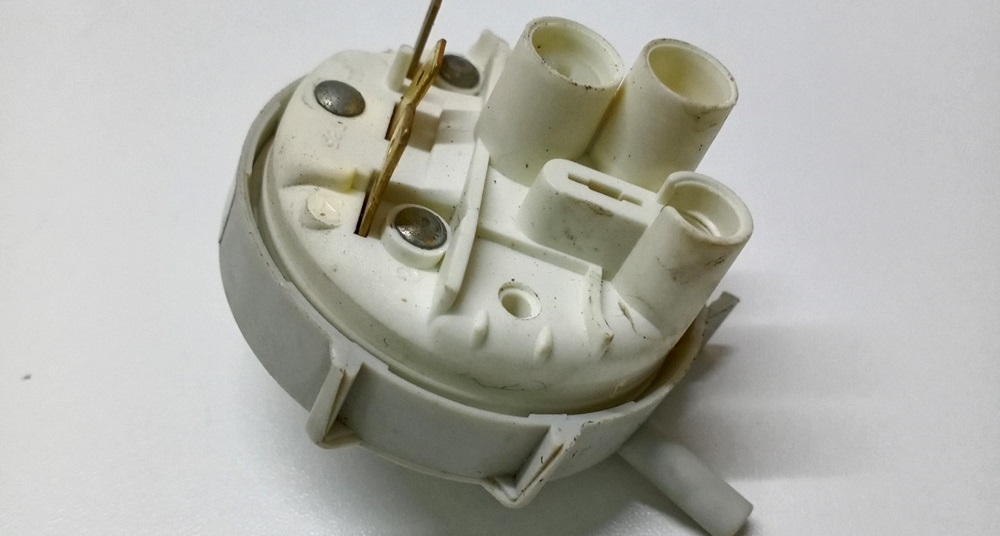
You can find the sensor's location in the user manual. It's most often located at the bottom of a Bosch dishwasher. How do I get to it?
- Disconnect the machine from communications.
- Just in case, cover the floors with rags or unnecessary towels.
- Place the dishwasher on the back wall to gain easy access to the tray.
- Detach the bottom panel.
- Find the plastic box that the tube comes from – there is a water level sensor located next to it.
- Using pliers, disconnect the hose from the tank.
- Check the sensor to see if it is clogged.
To check the water level sensor's functionality, simply blow into the pressure hose and listen. If you hear a distinctive clicking sound, the part is OK. Everything else needs to be checked with a multimeter.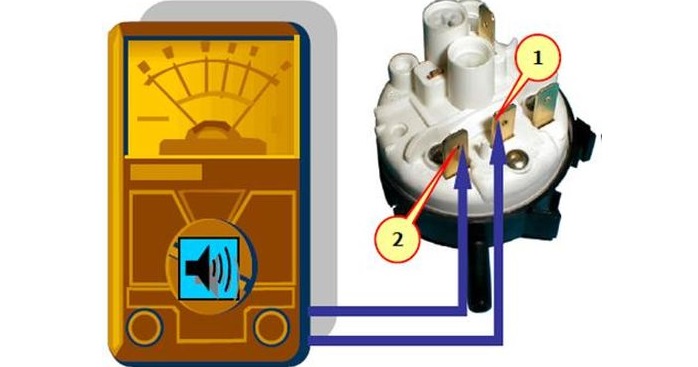
The tester is needed to diagnose the pressure switch's electronics. To do this, connect the multimeter probes to the sensor's contacts and check the readings. If the display shows "0," the pressure switch is working properly. Otherwise, you'll need to purchase a new water level sensor and install it according to the instructions in reverse order.
The final cause of a faulty drain could be the control board, the "brain" of the entire Bosch dishwasher. You shouldn't attempt to repair this component yourself, as without specialized training and experience, the risk of further damaging the board is too great. Therefore, call a service center technician for repairs.
Interesting:



Readers' comments
Headings
Washing machine repair




For buyers




For users


Dishwasher




Add a comment