
There is water in the drum of the washing machine.
 A broken washing machine is a source of serious household problems for most modern people. But a malfunction doesn't always require an immediate call to a technician. Sometimes, you can fix the problem yourself in less than half an hour, for example, if there's standing water in the washing machine drum. Let's look at the possible causes of the problem and what to do to quickly fix it.
Why did the problem occur?
The machine has completed a full cycle, and the user removes the laundry after washing to discover that all the water hasn't been drained from the drum—such situations sometimes occur. First, assess the remaining water in the drum and determine whether at least some of the liquid has been drained. The following may be the reasons why the drum hasn't drained completely:
- the drain hose or drain filter is clogged;
- The sensor that monitors the water level is not working correctly.
If the water was not drained from the drum, and the machine made an unusually loud noise during washing, then in all likelihood the cause was a faulty pump.
Important! Modern models feature an emergency drain feature. They are equipped with a hose located near the filter. The user should open the plug and drain the water.
Removing water and troubleshooting
Repairing an appliance always begins with disconnecting it from the power supply and water supply. Then, it's necessary to inspect the appliance—look behind the housing, check the condition of the hose, and drain any dirty liquid into a prepared container.
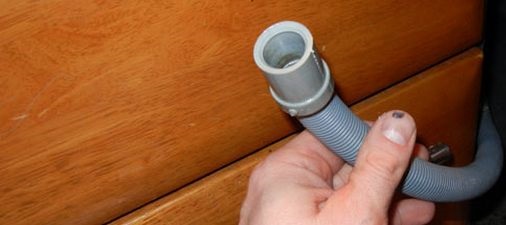
To drain the tank, disconnect it from the siphon and then lower it into a bucket. You can also check it for blockages. If the water flows freely, it won't need replacing. After repairs, the hose can be reinstalled. If a blockage is detected, clear it with a wire brush. This will remove any stagnant water from the drum.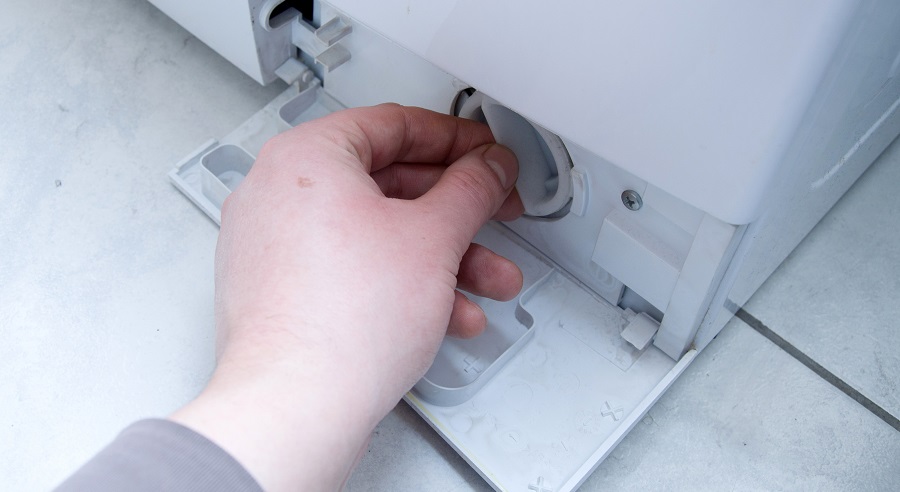
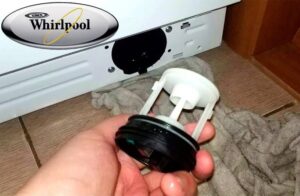
After ensuring the hose is draining properly, inspect the drain filter. This part is located at the bottom of the housing, behind the plastic panel. To remove the filter, rotate it counterclockwise and then pull it toward you. After rinsing it under running water, you can replace it in the same manner. If the problem of stagnant water in the drum is not related to the drain filter, you need to check the operation of the drain pump.
Pump installation methods vary across washing machine models. For example, in LG and Samsung models, the pump can be accessed through the bottom of the housing, while in Siemens and Bosch models, the front panel must be disassembled.
Sometimes, water in a washing machine won't drain due to a faulty pressure switch. This can also be tested. To do this, follow these steps:
- Remove the top panel from the appliance body. The water level sensor is located in the corner;
- disconnect the wires and tube;
- check if there is a blockage in the tube, as this is often the reason why the pressure switch does not work correctly;
- inspect the sensor contacts and clean them;
- Take a multimeter and determine the resistance of the pressure switch.
Please note! Sometimes washing machine owners, trying to check the sensor's functionality, blow into it, thus damaging it.
If the test shows that the pressure switch is not working properly, you need to purchase a new one. Then connect it to the wires and tube, and install it in its original location.
How can we prevent something like this from happening in the future?
Service center specialists note that they are increasingly having to troubleshoot drain pumps. New appliances are failing after 2-3 years of use. It's difficult to definitively explain the cause. Poor quality components may be the cause. Improper installation of washing machines, where the drain hose is extended so much that it significantly increases the load on the pump, is also possible.
Therefore, it's important to follow the manufacturer's recommendations for proper use. Preventing clogs and stagnant water in the drum is entirely possible. It only takes a few steps.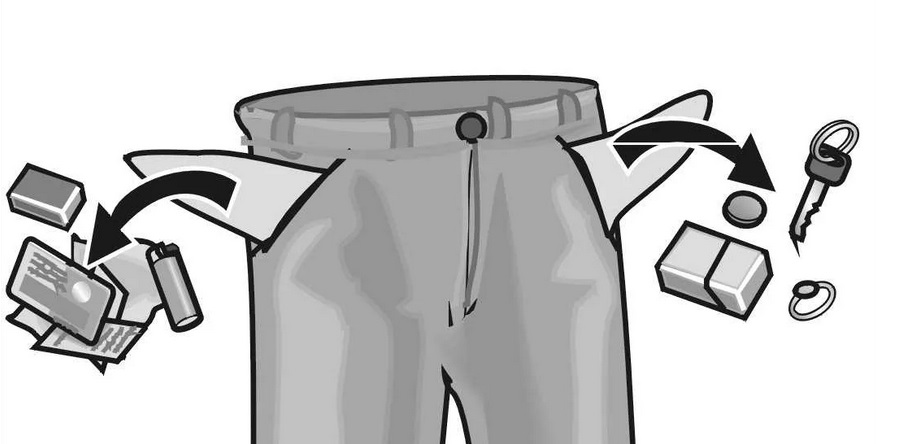
- Regularly clean the drainage filter.
- Before putting things in the drum, you need to check the pockets and remove any trash or foreign objects from them.
- Use household chemicals or citric acid to clean the machine, but strictly follow the dosage.
In summary, water remaining in the drum after a wash cycle is a sign of a faulty appliance. Do not restart the machine until the problem is fixed. You can try to find the cause yourself or contact a professional for help. Before the professional arrives, drain the water from the machine to prevent an unpleasant odor from developing inside.
Interesting:


Readers' comments
Headings
Washing machine repair




For buyers




For users


Dishwasher




Add a comment