
Can a tumble dryer be transported on its side?
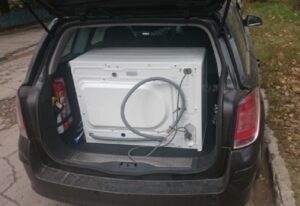 When transporting household appliances, it's important to follow certain rules. This is especially true for large appliances like refrigerators, electric stoves, washing machines, and dryers. Is it okay to transport a dryer lying down, or is laying it on its side strictly prohibited? Let's explore the nuances.
Proper transportation of the dryer
Large household appliances must be transported vertically. This also applies to dryers. All heavy components, such as the compressor, motor, drum, and evaporator, are located at the bottom of the unit. Therefore, transporting them sideways will place increased stress on the fasteners securing these components.
It is best to transport dryers standing up, with the body of the appliance securely fastened.
However, there are exceptions to every rule. Therefore, it's best to read the dryer's instructions, specifically the "Transportation" section. For example, Gorenje dryers can be transported horizontally, on their left side.
Any other recommendations? It's important to check the dryer for moisture. Before transporting, remove any remaining water from the dryer, especially if the temperature outside is below freezing. It is also necessary: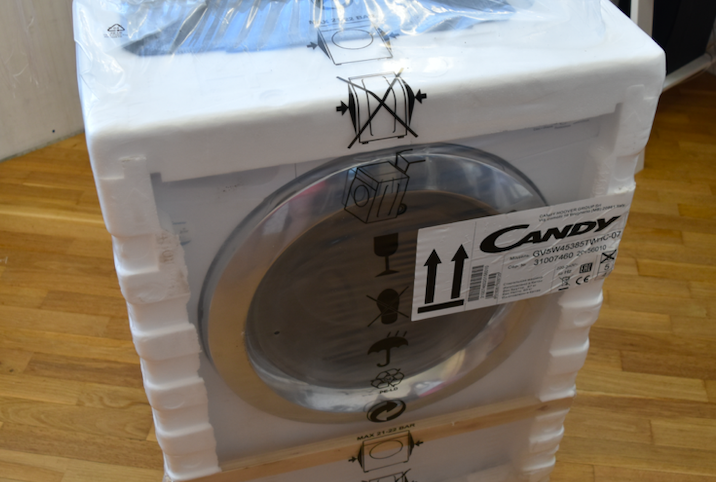
- secure the machine's hatch door (so that it doesn't swing around during transportation);
- attach the power cord to the dryer body (to avoid damaging or losing the cord);
- Pack the machine in the original box (if it is lost, wrap the dryer in film or cloth to avoid damaging the body).
If the dryer is transported in the back of a truck, it should be positioned close to the cab to minimize vibration. The unit must be securely fastened. Vibration can damage internal components, so securing the dryer frame during transport is essential.
Some people transport their dryer in a station wagon. The dryer is then placed in the trunk, in a semi-upright position. If the instructions don't allow for horizontal movement, it's best not to risk it.
Carrying the dryer to its new location should also be done carefully. Be careful not to scratch the body on walls, railings, or elevator doors. Once the dryer arrives at its final destination, don't rush to plug it in. Let it sit at room temperature for a couple of hours. Proper transportation won't damage your "home helper."
Does the dryer have shipping bolts?
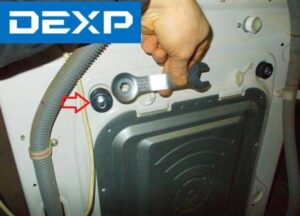
A dryer is similar in appearance to a washing machine. Almost everyone knows that washing machines are designed with transport bolts. These secure the drum to prevent the container from hitting other internal components during transport.
In the case of automatic washing machines, transport bolts are indeed necessary. Their drums are suspended by springs, with shock absorbers underneath (to dampen vibrations caused by the drum spinning at high speeds). Therefore, the drum "jumps" around inside the machine and must be secured. Do dryers have similar bolts?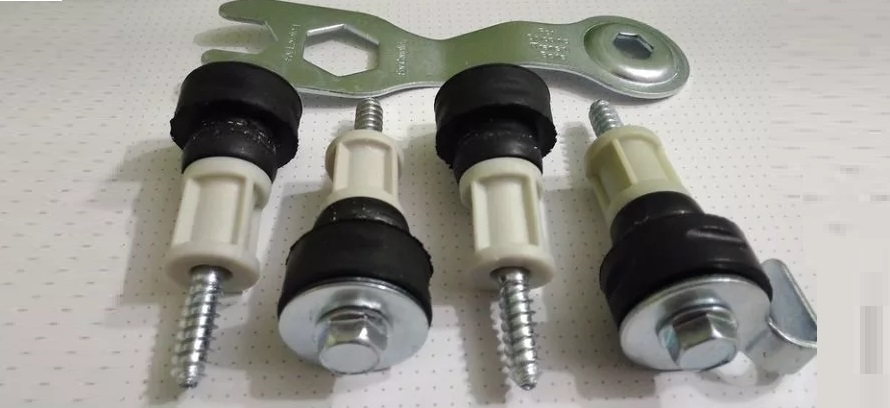
Today, drying cabinets and drum dryers are more common. The first units had no moving parts. All that needed to be secured when moving the cabinets were the doors. There were no shipping bolts included.
Machines of the second type have a drum. However, although they look very similar to front-loading washing machines, the interior is different. Dryers have no tub, and the drum has no outer plastic or metal shell. It is not mounted on a shaft, but rests on special rollers.
The dryer drum is driven by a motor. The electric motor is securely bolted to the body. A drive belt encircles the entire metal tank, pressing it downward. There's no risk of the tank "wobbling" during transport; it won't bounce around or interfere with other internal components. Therefore, no shipping bolts are required.
There's also a compressor, which, in theory, could be movable. However, it's also securely fastened inside the unit and won't wobble during transport. It also doesn't require any additional support.
Transport screws are not included with dryers.
So, if you're trying to transport your dryer and are trying to find the shipping bolts, stop. They're not needed. When moving the dryer, something else is more important: make sure there's no water inside, position the unit upright, and secure it to the truck bed so it doesn't tip over. You should also close the door tightly and wrap the body with cellophane or cloth to prevent scratches.
Interesting:




Readers' comments
Headings
Washing machine repair




For buyers




For users


Dishwasher




Add a comment