
Beko tumble dryer not drying
 What should I do if my Beko dryer isn't drying my laundry? Sometimes, after loading clothes and starting a cycle, I notice nothing happens. Could there be a malfunction?
Don't immediately call a technician. The first thing to do is reset the machine properly. Sometimes this helps restore the dryer to working order. If the problem is a malfunction, a diagnostic will be performed.
How to reboot the device correctly?
It is not always necessary to repair your “home helper” in such a situation. Sometimes a complete reset of the dryer can help solve the problem. Beko. It is necessary to reset all settings so that the error is erased from the device’s memory.
To reset a Beko tumble dryer, simply unplugging the appliance is not enough; you'll need to follow a specific sequence of steps.
To reset your dryer and restore its settings, follow these steps: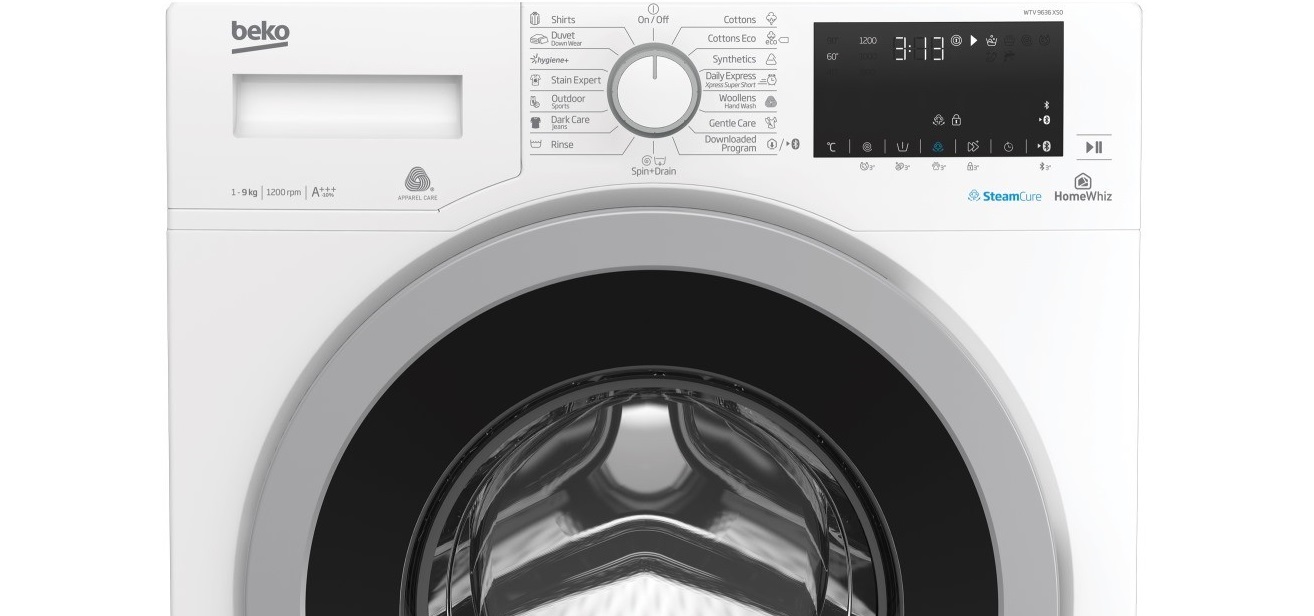
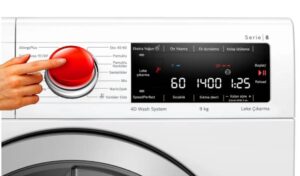
- switch to the "Delicate" mode;
- turn on the dryer;
- press the “Cancel” button and hold it until all the indicators on the dashboard light up;
- press the “Cancel” button again (this will put the machine into test mode);
- turn off the dryer.
The reset process for your Beko dryer is described in detail in the user manual. Therefore, please read the user manual carefully. The procedure may vary slightly on some models.
Clean the device from dust and lint
If the machine still doesn't dry clothes after a full reset, a diagnostic is required. There could be several possible causes for this behavior. The diagnostics proceed from the simplest to the most complex.
The first thing to check is the machine's heat exchanger. It needs to be cleaned at least once a month. If not, the dryer won't perform at 100%. Dust and other debris reduce drying efficiency and increase cycle time.
If you don't clean the heat exchanger for a long time, your Beko machine may stop drying clothes altogether.
How often should dust and debris be removed from the heat exchanger? Cleaning frequency depends directly on how often the machine is used. At a minimum, once a month; ideally, every ten cycles.
Cleaning the heat exchanger is not difficult, the algorithm is as follows:
- unplug the dryer;
- wait until the machine cools down;
- Place dry rags under the washing machine (to prevent residual water from the system from flooding the floor around the machine);
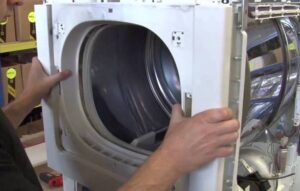
- find the door behind which the heat exchanger is “hidden” (it is located on the front panel of the washing machine, under the loading hatch);
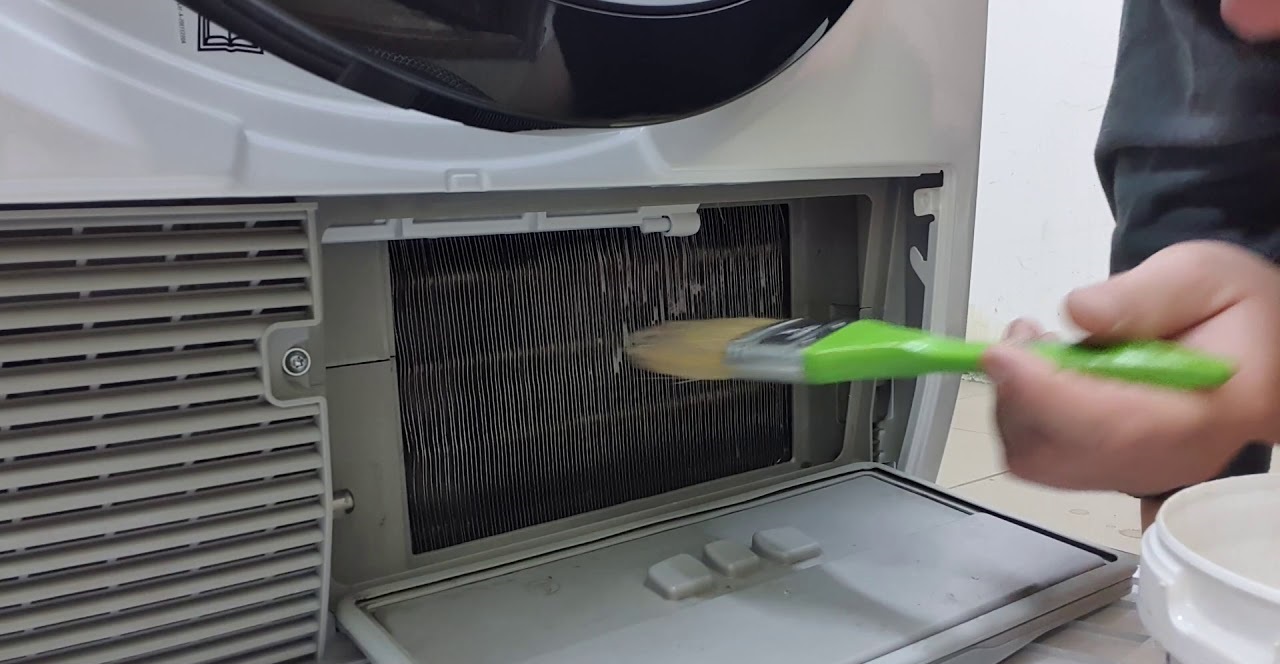
- open the technical hatch, turn the locking levers towards each other;
- remove the top cover of the heat exchanger;
- remove the entire element from the dryer;
- Clean the heat exchanger under running water using a soft sponge or cloth.
It's important to clean not only the main element but also its rubber seal. Avoid using hard sponges or sharp objects, as they can easily damage the heat exchanger. There's no need to wait for the element to dry completely; simply shake off any excess water and return it to the dryer.
The heat exchanger is installed in a similar manner. The element is replaced, covered with a protective cover, and secured with locking levers. Cleaning the part is very easy, so don't neglect it. The entire process takes no more than 10 minutes, and no special tools are required.
What could have gone wrong?
If cleaning the heat exchanger doesn't help, a dryer diagnostic will be necessary. This means there's a fault the machine missed. All possible causes will need to be ruled out one by one.
Often, in this situation, an error code appears on the display. You can decipher it using the equipment manual. This will make it easier to determine the cause of the malfunction and repair the device.
What should I do if the machine doesn't display an error? First, check the temperature sensor. It's responsible for heating the heating element to the desired temperature. Often, when the thermostat breaks down, the laundry does not dry completely, remains damp and smells damp.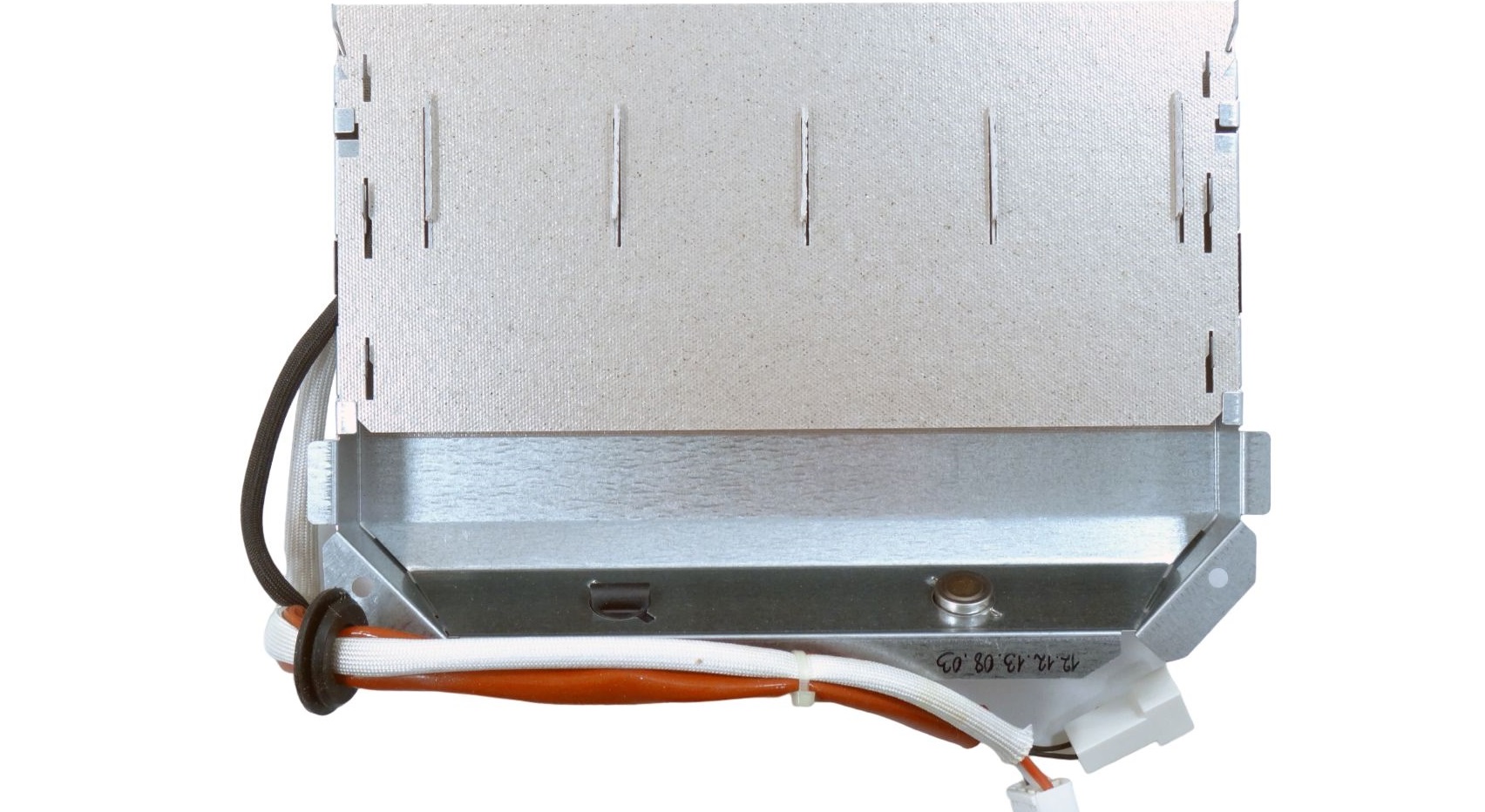
The temperature control unit must be replaced at a service center. It's important to understand that the sensor may not only fail to adjust the heating element to the desired temperature, but may also heat it to abnormal temperatures. In such cases, laundry may even burn.
Another possible cause is a faulty heating element. This element is responsible for heating the air in the dryer drum. What can cause premature wear of this element?
- by turning on several drying cycles in a row, one after another (according to the regulations, at least 30-40 minutes must pass between machine starts so that the device does not experience increased loads);
- untimely cleaning of filters and heat exchanger from dust and debris;
- an incorrectly functioning temperature sensor (the electronic module supplies increased voltage to the heating element, thereby reducing its service life);
- moisture getting on the surface of the heater;
- sharp voltage fluctuations in the electrical network.
Power surges can damage more than just the heater. The dryer's electronic module is also at risk. To avoid component failure, it's best to protect yourself with an uninterruptible power supply and a voltage stabilizer.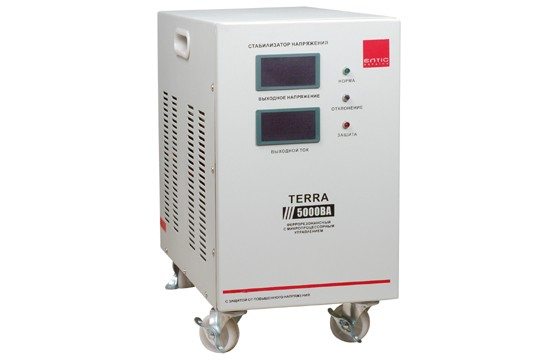
First, power surges "kill" the heating element. Then the electronic module is damaged. While replacing the heater is relatively inexpensive, installing a new control board is out of reach for many.
Your machine may not dry clothes because of a damaged control module. The "brain" simply isn't giving the command to heat the air. In this case, we recommend contacting a Beko service center. Specialists will diagnose the problem and reset the system. Don't attempt to handle electronics yourself without experience. This could only make the situation worse.
Interesting:


Readers' comments
Headings
Washing machine repair




For buyers




For users


Dishwasher




Add a comment