
The dryer doesn't heat up.
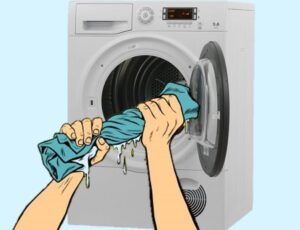 A dryer is an indispensable appliance that helps speed up the drying process. However, like any other appliance, it can malfunction. The most common issue is a dryer that doesn't heat. Today, we'll explain the possible causes of this problem and help you troubleshoot it.
Diagnostics to find the problem
There are many reasons why your dryer isn't heating, and they can be quite unexpected. First, make sure the appliance is free of dust and debris before proceeding to a more in-depth diagnosis. You'll need to do the following:
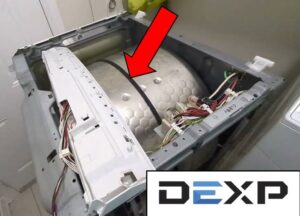
- remove the top cover of the dryer;
- find the control module (it looks like a board with many nodes);
- check the resistance on the contacts.
To do this, you'll need a multimeter: set it to the "Ohms" resistance mode, then connect the water level sensor to the first four contacts. The fifth and sixth contacts are responsible for the heating element. If your car has a quick-release lock, the next five contacts are responsible for its operation; if you have a standard lock, three contacts are responsible. Connector "j1" supplies power to the entire module. Ring the contacts one by one with the multimeter probes, and if the value is zero or infinite, then the element is faulty.
After a successful resistance test, it is also recommended to check for possible leaks!
Modern dryers typically have a feature that automatically shuts off the heating element if a leak is detected. However, it's important to note that in such situations, the machine displays an error code. Even if there's no error code, it's still important to check this.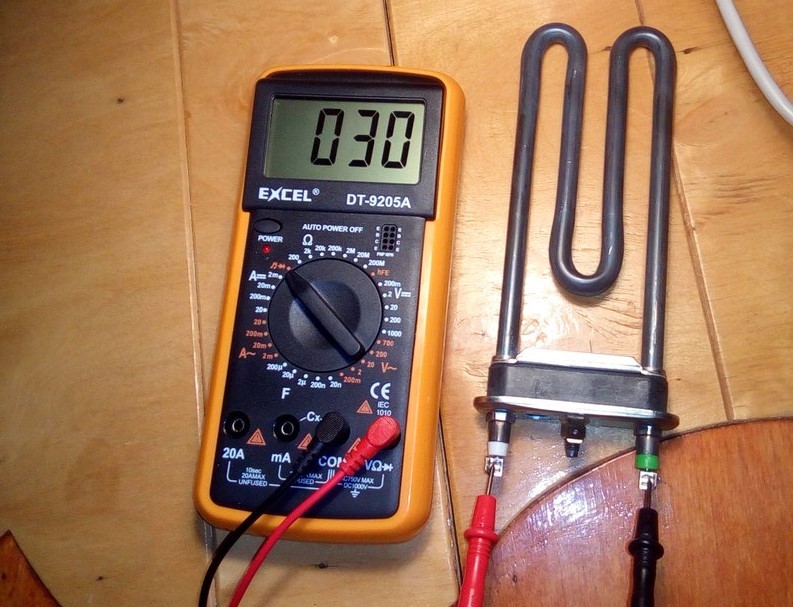
Before you begin, carefully inspect the rubber gasket on your dryer door. It lines the opening where you load the laundry. If you notice any cracks, cuts, or tears, be sure to replace it. The same goes for the water inlet and drain hoses. Checking them for leaks is easy: submerge them in a filled bathtub; if there are any holes or cracks, bubbles will start escaping.
Checking the dryer's seal is also an important step in servicing. A properly functioning dryer should condense and collect moisture in a dedicated compartment. If the seal is compromised, moisture will begin to appear on the walls near the dryer, and the air will become humid. These signs indicate a crack in the dryer's seal. You may be able to fix this problem yourself, but we recommend contacting a service center for assistance.
Next, clean the contact surfaces with an alcohol wipe to remove any dirt. Perform a preventative inspection, solder any open or damaged wires, and secure any loose wires. Only after these steps can you run the program and ensure your "home assistant" is working properly.
Secondary causes of lack of heating
A lack of heat in your dryer can be caused by a variety of reasons. These are often interconnected and require a step-by-step approach to resolve. The problem may include:
- in small quantities;
- in a non-working compressor;
- in a burnt-out heating element and thermal fuse;
- in the malfunction of the power board;
- in a clogged condensate collector.
One of the key factors contributing to a dryer's lack of heat is a faulty heating element. It's responsible for generating the necessary heat. If the element stops providing sufficient heat during the drying process, it has become worn out, burned out, or otherwise damaged.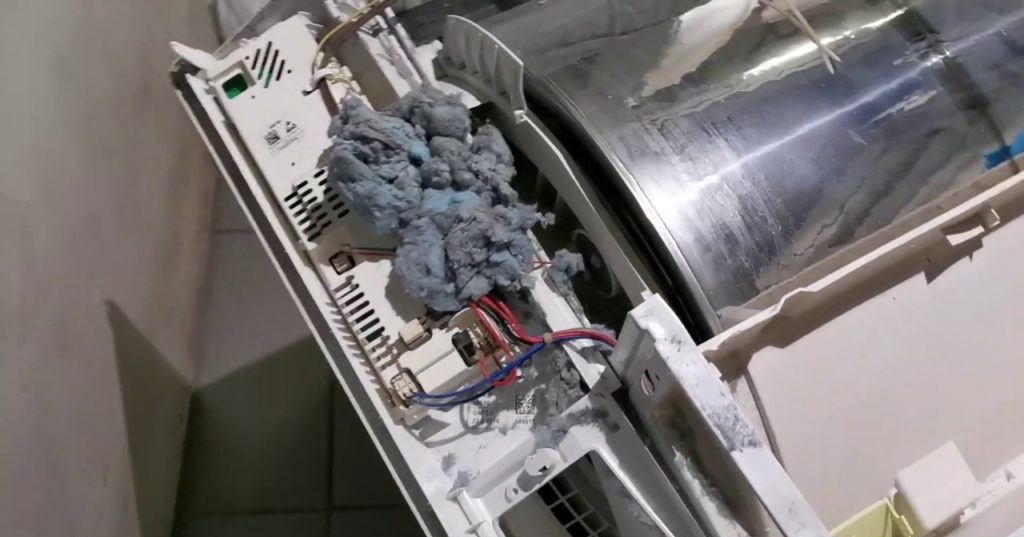
Defective thermostats can also cause a dryer to fail to heat. They typically control the temperature and shut off the heating element when it exceeds a certain range. A faulty thermostat can result in poor temperature regulation, which can negatively impact the heating process.
Another common cause is a blown fuse. This can occur due to a short circuit or a defect in the unit itself. The first thing to do is unplug the machine to prevent any negative consequences. After unplugging the machine, locate the fuse and replace the faulty part with a new one.
To prevent similar situations from occurring in the future, it is crucial to check the network for overload, ensure the dryer is properly connected and grounded, and regularly perform diagnostics of the appliance!
A clogged air duct is another detail worth considering. The efficiency of the air exchange system, which circulates and exhausts hot air, directly impacts the drying process. Obstructions such as dust, lint, or other materials can block airflow and, consequently, reduce heating efficiency. Regular cleaning and maintenance of the ventilation system helps maintain the dryer's proper functioning. To do this, you will need:
- remove the filter from the dryer;
- remove all contaminants from the surface of the trap;
- Using a brush or vacuum cleaner, remove all the lint that has accumulated inside the filter;
- Go to the ventilation hose and carefully disconnect it at both ends.
This element is also worth paying attention to and checking for lint and other obstructions. If excessive dirt has accumulated, use a brush or a vacuum cleaner with a flexible nozzle to remove any remaining residue from the hose. Make sure there are no kinks or obstructions to the air flow.
Next, you'll need to clean the ventilation system itself. For this, you'll need the same brush and vacuum cleaner. Thoroughly clean the entire hood, remove any obstructions that could block the valve, and then securely attach the ventilation hose to the dryer. Double-check the connections for leaks and ensure there are no gaps.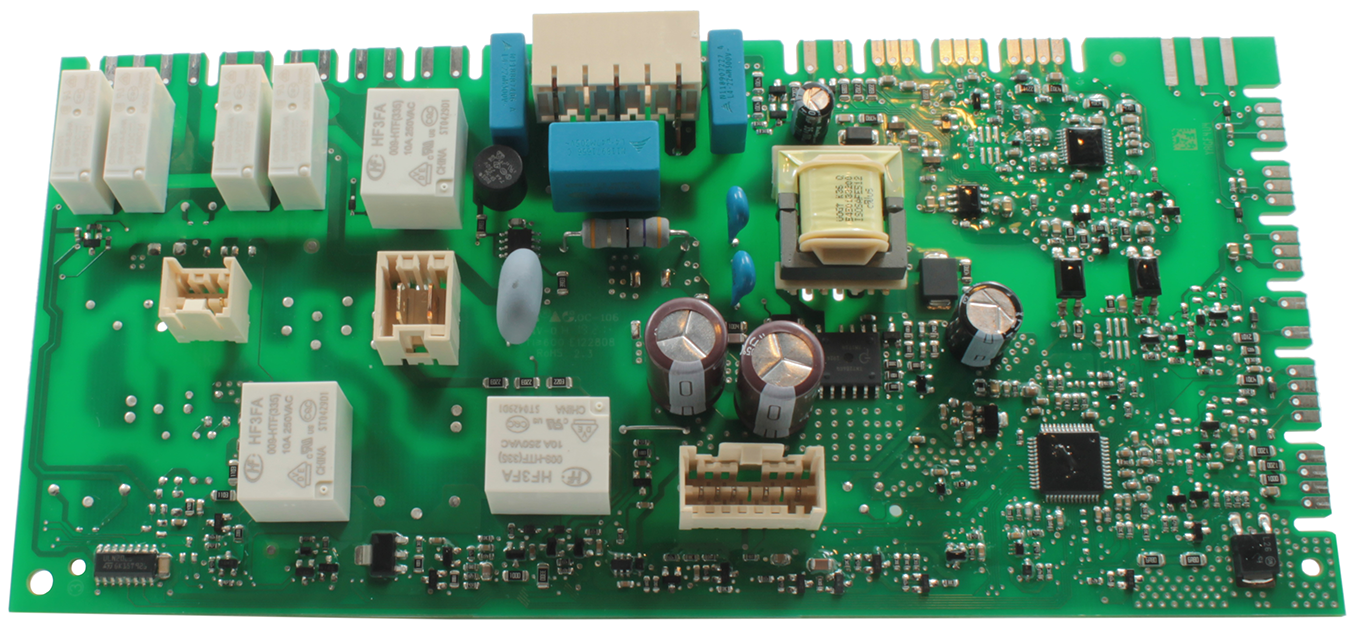
A lack of heat in a dryer can also be caused by faulty timers or control boards. These important electronic components are responsible for regulating heating cycles and maintaining optimal temperatures. Any malfunction in the operation of these elements can disrupt the functioning of the dryer and prevent it from heating.
If you follow the instructions, carefully inspect all parts, and replace them carefully, you should be able to restore your dryer's heating system to working order. If you still can't identify the cause of the problem, we recommend contacting a professional. They will conduct a more detailed diagnosis and resolve any issues. Remember, regular maintenance and proper operation of your dryer will help avoid many problems and extend its lifespan.
Interesting:

Readers' comments
Headings
Washing machine repair




For buyers




For users


Dishwasher




Add a comment