
Why doesn't the dryer dry the clothes?
 What should you do if your dryer isn't drying your laundry? A detailed diagnostic of the appliance is required to determine the cause. This problem affects both expensive and budget dryers. Let's explore why your "home helper" might stop performing its primary function.
What happened to the car?
It's not always easy to quickly determine what's wrong with the dryer and why it's not drying clothes. There are several possible causes for this behavior. It could be as simple as a power outage or a problem with the electronics. Therefore, a diagnostic will be required.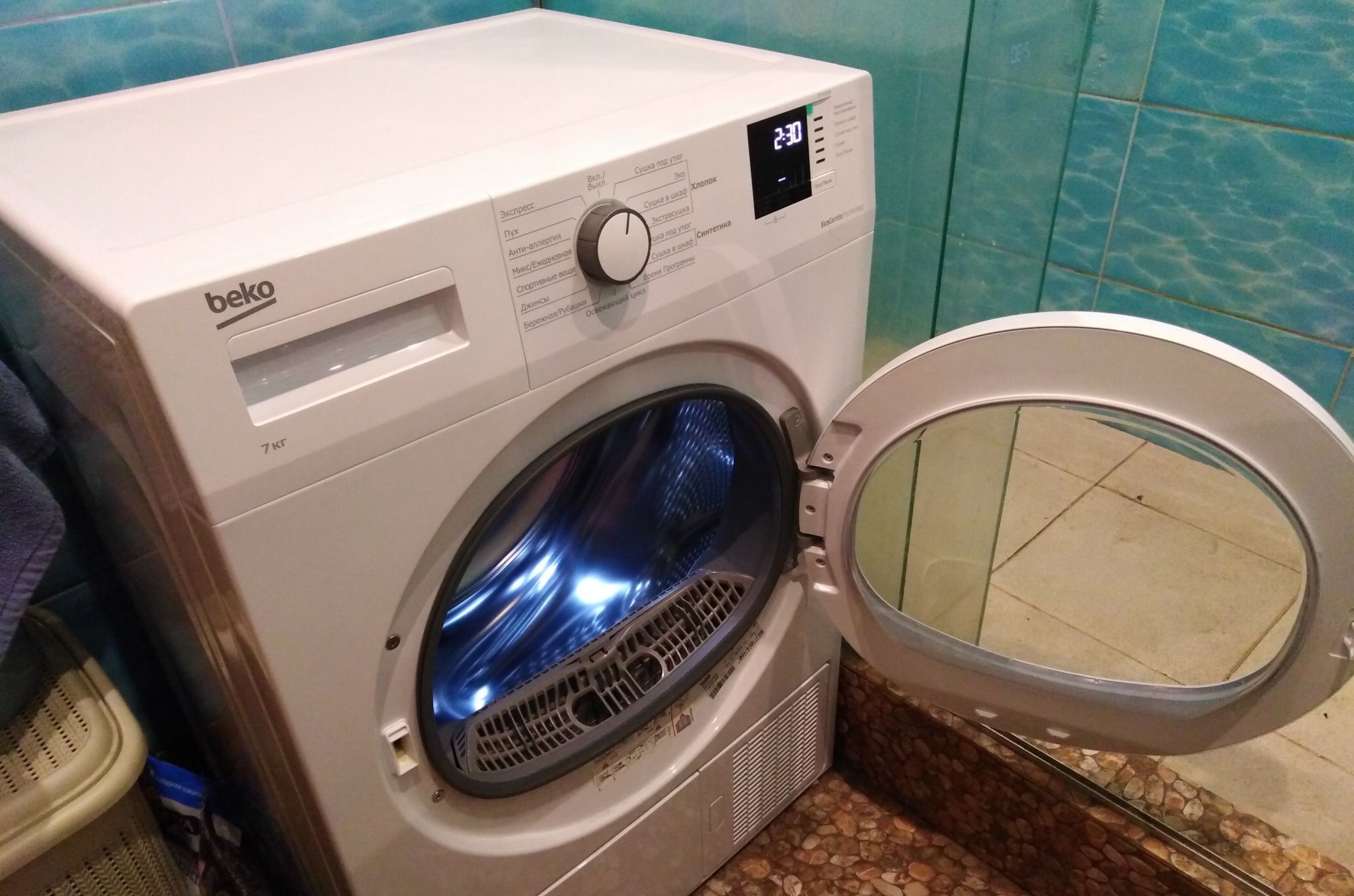
List of possible problems:
- sharp voltage surges in the electrical network;
- damage to the heating element;
- temperature sensor failure;
- control module failure.
Sometimes you can fix your dryer yourself. For example, when the repair involves replacing the heating element or temperature sensor, you can start by trying to restore your dryer at home.
The heating element stopped working, problems with the power grid
Power outages are common, even in large towns and cities. Smaller cities, villages, and towns often experience power outages. Voltage can fluctuate between 180 and 250 volts over the course of a day.
Power surges in the electrical network can easily damage the electronics of the dryer and cause many malfunctions.
Experts recommend taking precautions to protect expensive household appliances in advance. It's best to connect both the washing machine and dryer through a voltage stabilizer. An uninterruptible power supply will help prevent many breakdowns.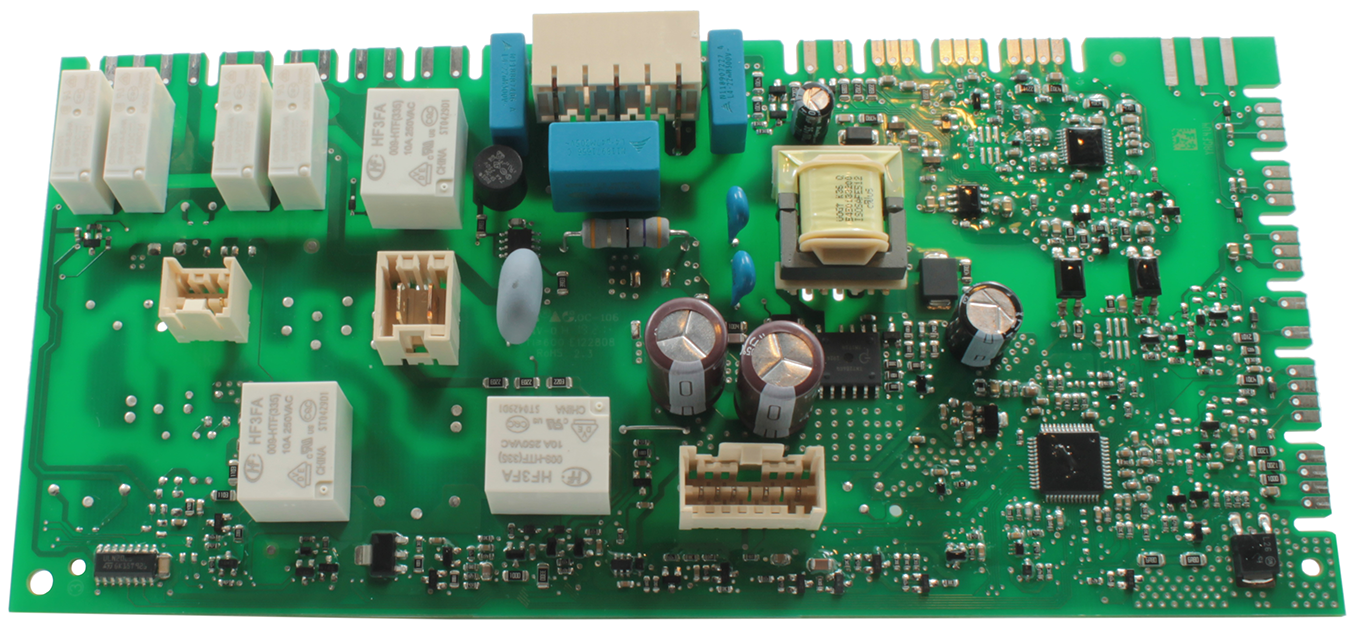
However, many users ignore this recommendation. Without such protection, a sudden power surge will primarily damage the heating element and control module. While the heating element itself is inexpensive, repairing the electronic module can be quite expensive.
Most often, the problem turns out to be a faulty heater. This is the first thing to check. The heating element is responsible for heating the air in the working chamber to the required temperature. Why the element fails: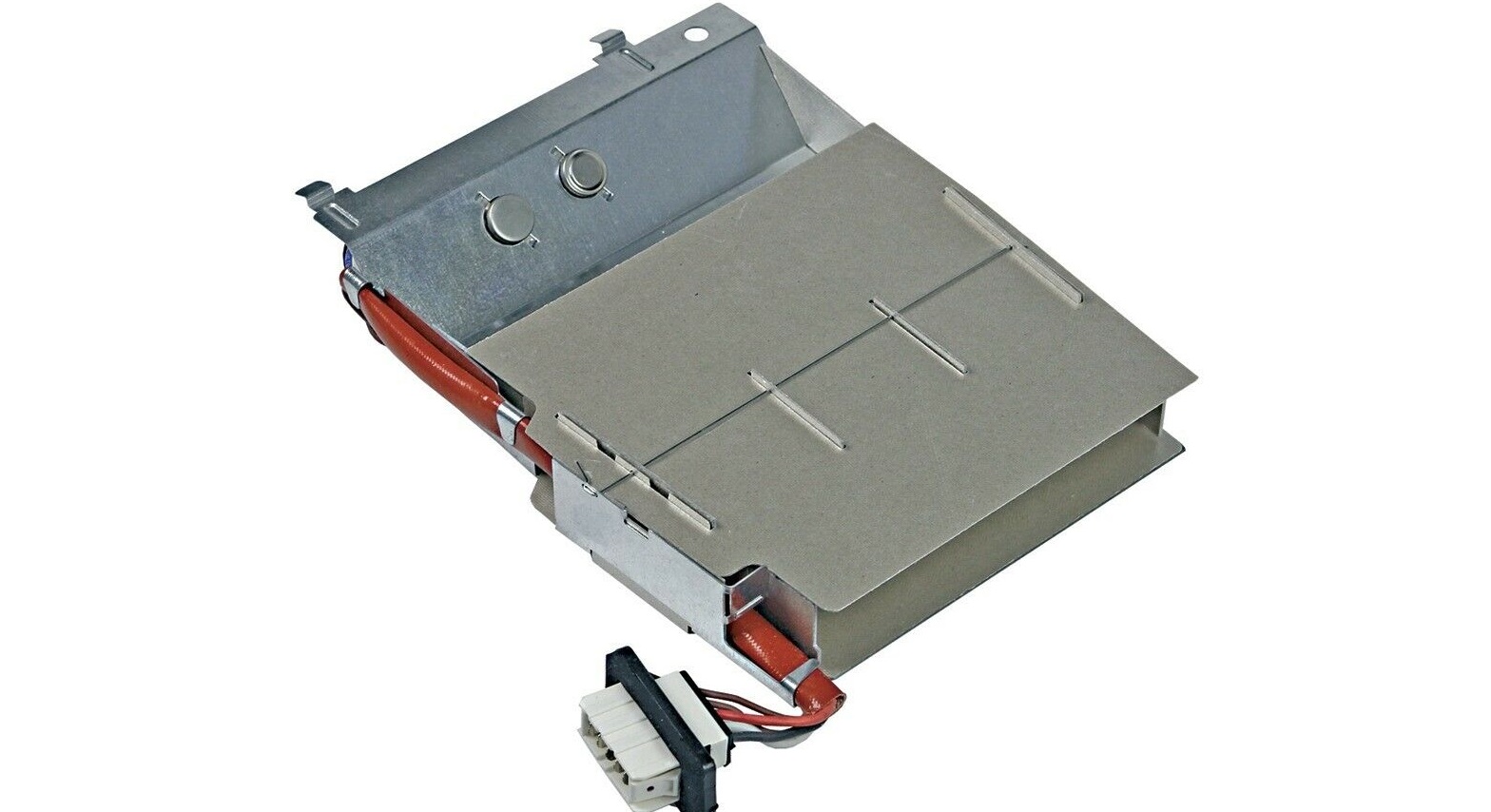
- running several drying programs in a row (according to the operating instructions, the machine must be given a “rest”, with a break of at least 40 minutes between cycles);
- debris (threads, lint, hair) gets into the heater, as a result of which its heat transfer is disrupted, and the heating element overheats;
- malfunction of the thermostat (the temperature sensor mistakenly overloads the heating element, forcing the heater to work “at the limit”);
- moisture getting on the heater.
Replacing a heating element is easy. The key is to purchase the correct heating element for your dryer. The repair process will require removing the faulty element and installing a new one. Just in case, it's also recommended to install a voltage stabilizer upstream of the dryer to prevent similar problems in the future.
Control module and thermal fuse
The temperature sensor is located near the heating element. It measures the air temperature and transmits this information to the control module. To test the thermostat, you will need to partially disassemble the dryer body.
Most often, the thermal fuse is located at the back of the appliance. How to check the temperature sensor:
- unplug the dryer;
- remove the screws securing the rear wall of the case;
- remove the panel and put it aside;
- find the temperature sensor – it is “hidden” in a plastic box, not far from the heating element;
- open the box and remove the thermal fuse;
- take a multimeter and set it to ohmmeter mode;
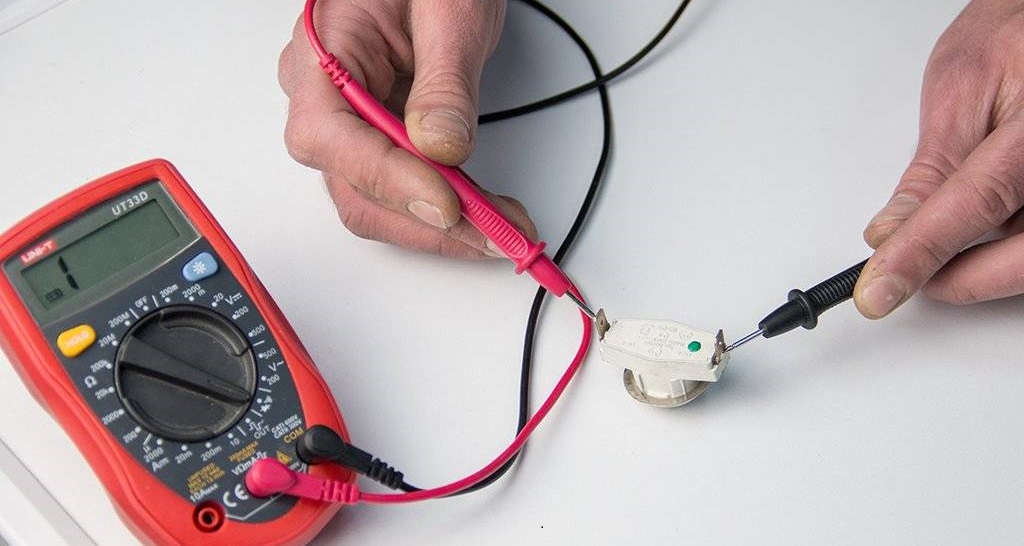
- Apply the tester probes to the fuse contacts;
- evaluate the readings on the multimeter screen.
If the temperature sensor is working properly, the resistance will be zero. Any reading other than zero indicates that the component has burned out. Repair will require replacement.
It's best to install the original sensor specifically for your dryer model. If you can't find one, you can use a similar one with the appropriate amperage. After that, reassemble the device in reverse order and test it for functionality.
A temperature sensor, like a heating element, is easy to fix yourself. However, if the problem lies with the control module, it's best to call a technician for repairs. Diagnostics of the electronic unit requires specialized equipment and certain skills.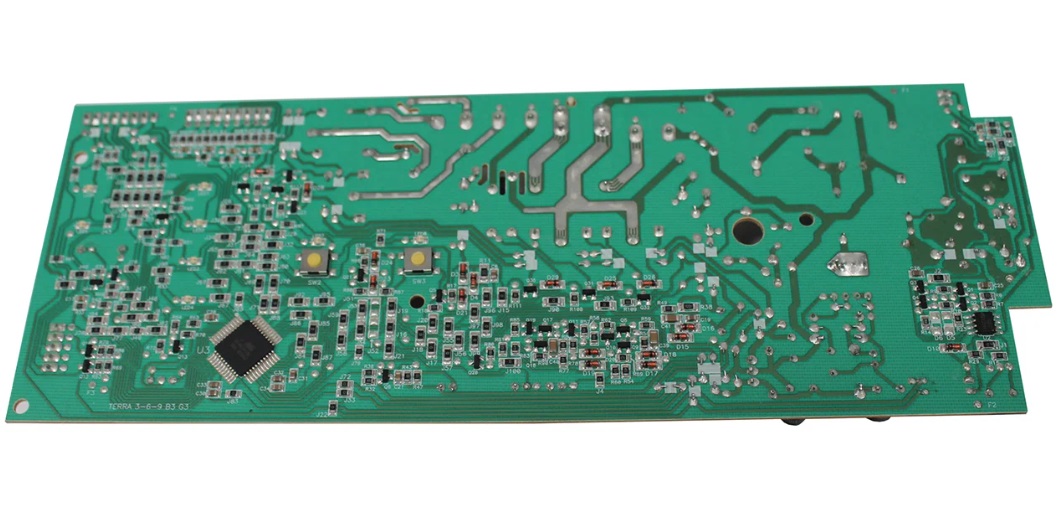
At home, you can only visually inspect the control board and test the semiconductors with a multimeter. This will help you determine which part of the module is damaged and provide the information to a technician.
Often, a module failure can be diagnosed after a visual inspection – the board will show traces of burning, black spots, swelling, charred tracks, etc.
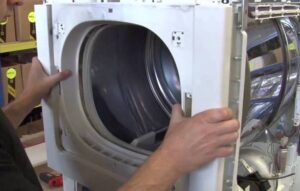
To access the module, you'll need to remove the top cover of the machine and the control panel. If you're unsure of your abilities, it's best to leave this job to a professional. In any case, this process won't be very helpful, as the professional will still need to remove the electronics and inspect it for damage. Removing the casing won't reduce the repair cost.
In some cases, repairing the module is sufficient. For example, installing a new semiconductor or cleaning the contacts. Sometimes, replacing the entire control board is the only solution. A specialist will advise you on the best course of action in your situation.
Interesting:

Readers' comments
Headings
Washing machine repair




For buyers




For users


Dishwasher




Add a comment