
Why doesn't my dryer dry my clothes well?
 Any household appliance can break down over time or due to improper use. If your dryer isn't drying clothes well, even though everything appears to be in order, there are a number of possible causes that should be investigated. It's not a given that your "home helper" is broken; the situation may be easily remedied without a complex repair. Let's look at what's causing the drying performance to suffer.
What caused the said "symptom"?
It's not always easy to quickly figure out why your dryer has stopped cleaning your clothes properly. This is because there are many possible causes for this behavior. Some are easy to check, others require partial disassembly of the device. The entire list looks like this:
- sharp voltage fluctuations in the network;
- damage to the heating element;
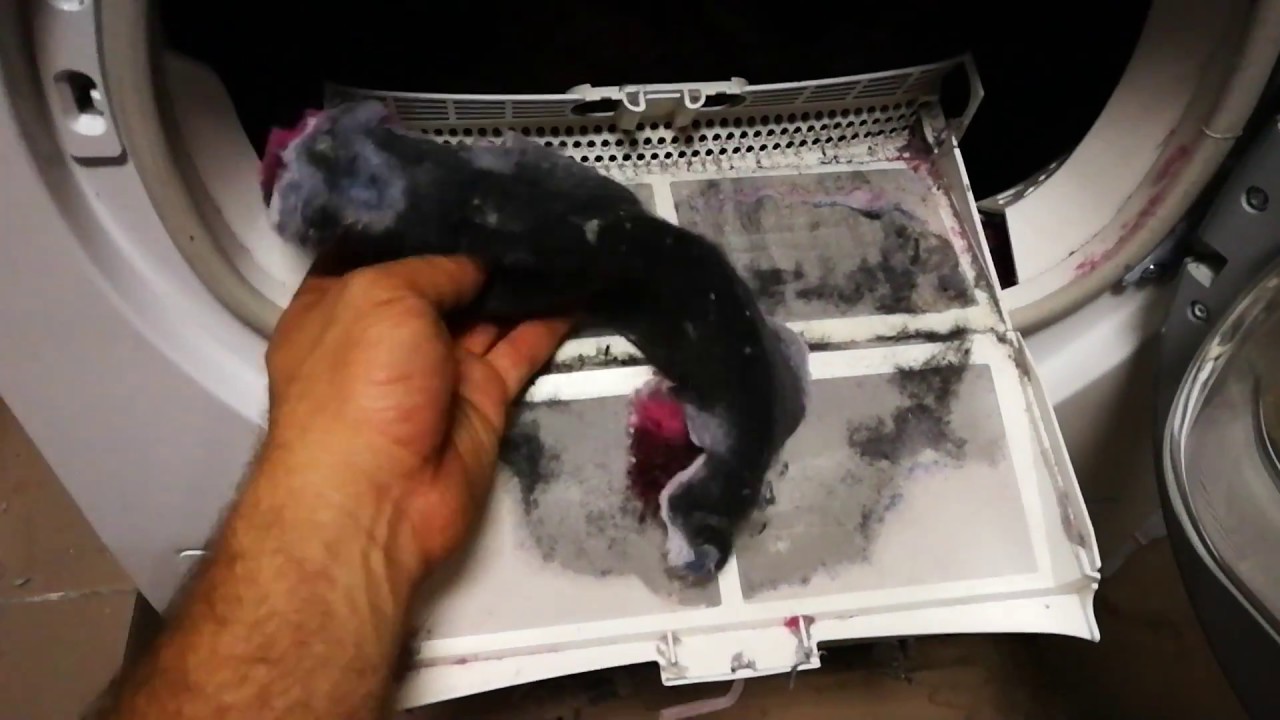
- failure of the temperature sensor;
- malfunction of the electronic unit.
Don't rush to call a repair service; perhaps you can figure out what to do with your appliance at home to restore it to normal operation.
Power surge and heating element
Unfortunately, even large cities often experience serious power grid problems. This is not to mention outlying areas, private homes, and small towns. During the day, voltage can drop to 180 volts, rise to 250, and then drop again. In such an unstable situation, only an uninterruptible power supply (UPS) can help protect expensive household appliances. A UPS is most often purchased to protect a computer, but it also works perfectly well for a dryer.
If such protection is absent, the heating element, as well as the electronics and power supply, are the first to suffer from a sudden power surge. Fortunately, a new heating element is inexpensive, so replacing it is easy. The same cannot be said for the power supplies and electronics, which can cost up to 50% of the cost of a new dryer. The heating element most often fails because it is primarily responsible for heating the air in the drum. Why does the heating element usually fail?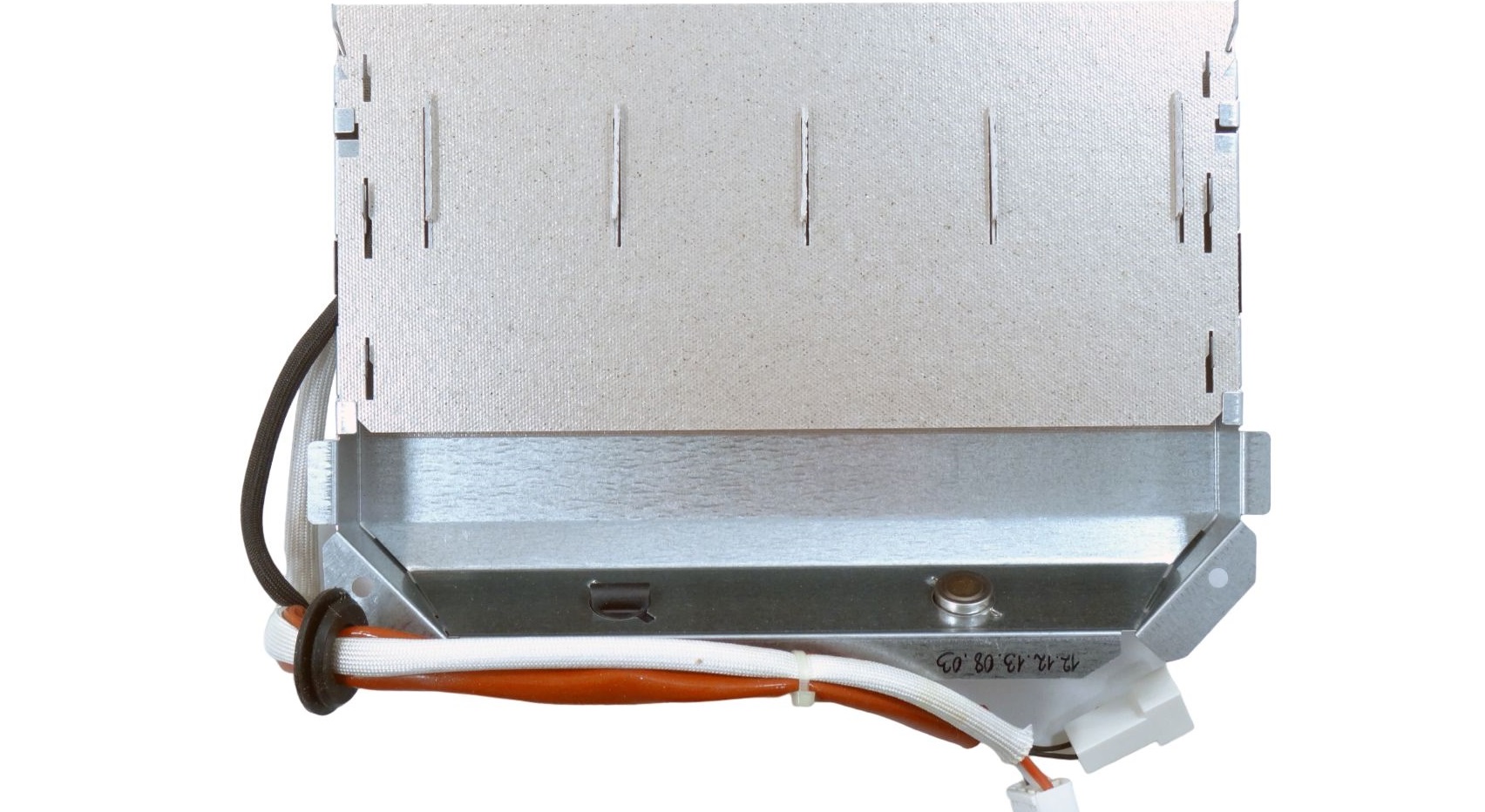
- The presence of debris in the drum, such as wool, fluff, threads, etc.
- Incorrect operation of the temperature sensor, which erroneously overloads the heating element, forcing it to work at its limit and thus reducing its service life.
- Gross violation of equipment operating standards and running multiple operating cycles without a break of at least 40 minutes. This also includes water getting into the heating element.
That's why you should not only strictly follow the dryer's operating instructions, but also, just in case, purchase an uninterruptible power supply (UPS) to keep your favorite "home assistant" safe.
Thermal fuse or circuit board
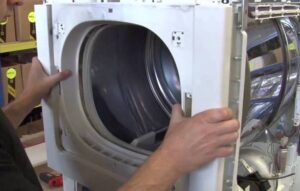
The thermal fuse is usually located directly next to the heating element. It can only be tested after partially disassembling the household appliance, since you will have to get to the heating element. The heating element can be installed in different places on the dryer body, depending on the model and brand of the appliance. However, it's most often located at the rear of the body. How do I check the element?
- Disconnect the equipment from the power supply.
- Unscrew the retaining screws from the back of the case and set it aside.
- Locate the thermal fuse located in the plastic box near the heater.
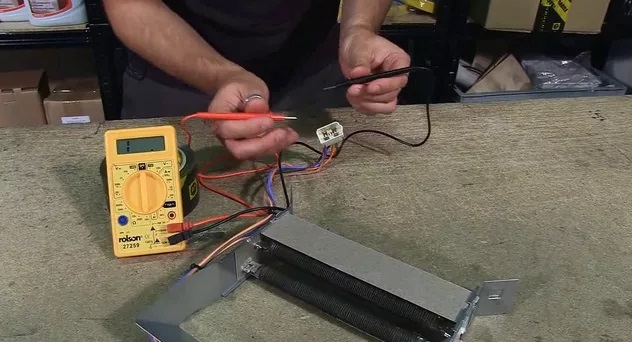
- Open the box and take out the part you need.
- Set the multimeter to resistance test mode and connect the tester probes to the fuse.
- If the element is in good condition, the resistance will be zero, but if the multimeter shows a break in the circuit, the part has burned out.
- Replace the blown thermal fuse with a new one of the same type, or with a similar one with the appropriate amperes if you cannot find the original spare part.
- Assemble the “home assistant” according to the instructions in reverse order and be sure to check its functionality with an idle work cycle.
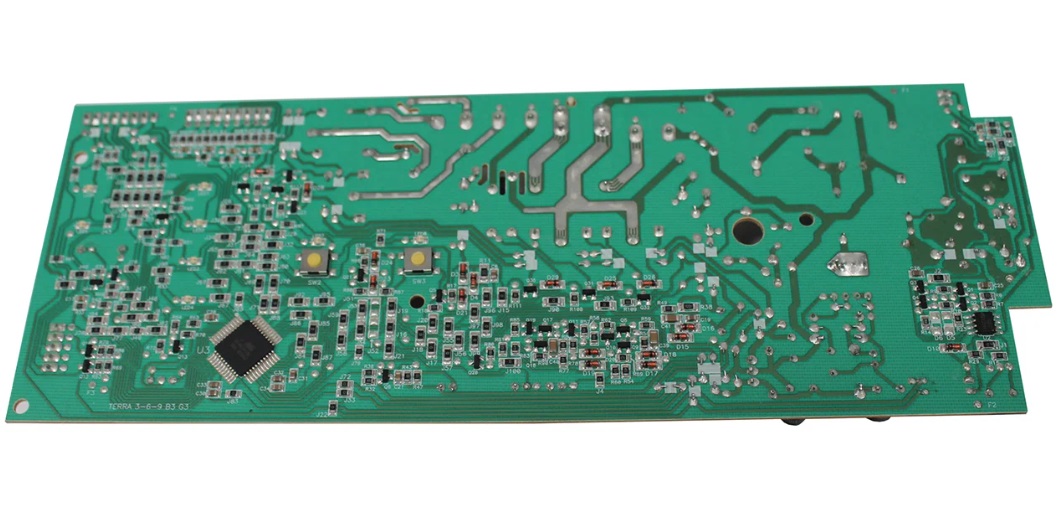
A fuse can be easily fixed at home, but if the fault lies with the control board, you'll need to call a repair technician. The difficulty lies not only in proper diagnostics, which is impossible without specialized equipment and software, but also in complex repairs, which are difficult for someone without experience and knowledge. The only thing you can do at home without calling a specialist is a quick visual inspection of the board and a multimeter. A methodical inspection of each component on the control board will identify damaged areas and convey this information to the repair technician.
Often, a simple inspection of the board, even without using a multimeter, helps confirm the presence of a problem, since burnt contacts, tracks, and sections of the module are visible even to the naked eye.
If you can't disassemble the dryer and inspect the circuit board yourself, it's best to leave this work to professionals to avoid further damage. In any case, this process isn't very helpful, as the service technician will still have to inspect the part for damage, even if you've done it yourself beforehand. Therefore, feel free to call a technician for a full diagnosis and recommend either repairing the module or replacing it entirely.
Interesting:

Readers' comments
Headings
Washing machine repair




For buyers




For users


Dishwasher




Add a comment