
How to place a dryer on top of a narrow washing machine?
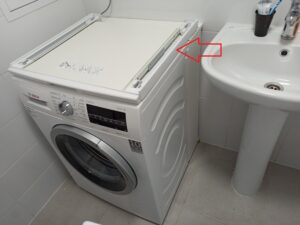 If the dimensions of the washer and dryer are approximately the same, stacking them is straightforward. However, when the dimensions of the devices differ significantly, many users begin to question whether it's even possible to stack them.
Is it possible to install a dryer on top of a narrow washing machine? Is this design safe? What connectors should be used? Let's explore the nuances.
It won't be possible to erect it "somehow"
Experts prohibit installing one car on another without using connecting elements. This isn't about selling users expensive fasteners, but about safety. Due to the strong vibrations emitted by the washing machine during operation, the dryer will fail very quickly.
Special stands and fasteners prevent damage and failure of the washing machine and dryer.
An unsecured dryer placed in a stack can fall due to the strong vibrations of the washing machine. The appliance will break, damaging the flooring and everything nearby. It's also unsafe for household members, especially those with children.
If you think you can dispense with the stands and connectors, place a pack of detergent on the washing machine and observe how it operates, especially during the spin cycle. The machine will shake and vibrate, and the packaging will bounce around on the machine. Imagine what would happen to a loose dryer.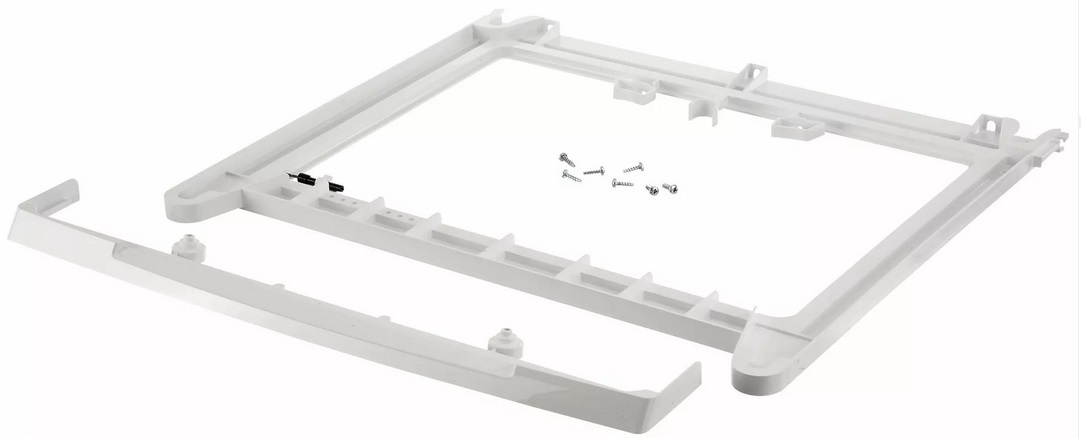
Therefore, to protect expensive equipment, floors, and the health of your household, it's best to purchase special connectors. These can be purchased at home appliance stores. Let's look at which fasteners are suitable for installing a full-size dryer on a narrow washing machine.
A connector for such a case
There's a common misconception among users that it's impossible to stack a standard dryer on top of a narrow washing machine. This is a misconception—such installation is possible, but only with the use of special mounting hardware. Manufacturers have long been producing docking kits that allow you to stack machines of different sizes.
The only problem is the high cost of special stands. Depending on the manufacturer, size, and type of kit, the price ranges from $35 to $120. When selecting a docking element, it is necessary to take into account the model and dimensions of the washing machine and dryer.
If you're looking for the most affordable kits, consider the WSK1102/2RU. This docking element fits narrow washing machines with a depth of 40-46 cm. Dryers, on the other hand, can be up to 47 cm.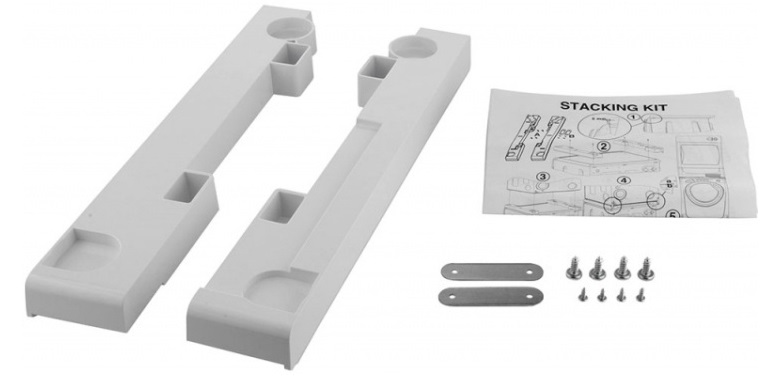
This compatible device is manufactured by Candy. It can be used with any washers and dryers of suitable sizes. The docking element is 42 cm long and 8 mm wide. The price of the stacking kit starts at $32.
Another affordable option is the Beko PSKS connecting strip. The fastening is made of high-quality, durable plastic. This connecting element will ensure structural stability and give the column a neat, aesthetic appearance.
The shelf is suitable for both narrow and full-size washing machines. The depth of the lower machine can be from 40 to 54 cm, while the upper machine can be up to 48 cm. The manufacturer claims a service life of 5 years, but in practice, these shelves last much longer. The cost of the device is approximately $53.
The Torre Basic Meliconi universal connector is the average price, starting at $62.90. The kit's advantages include: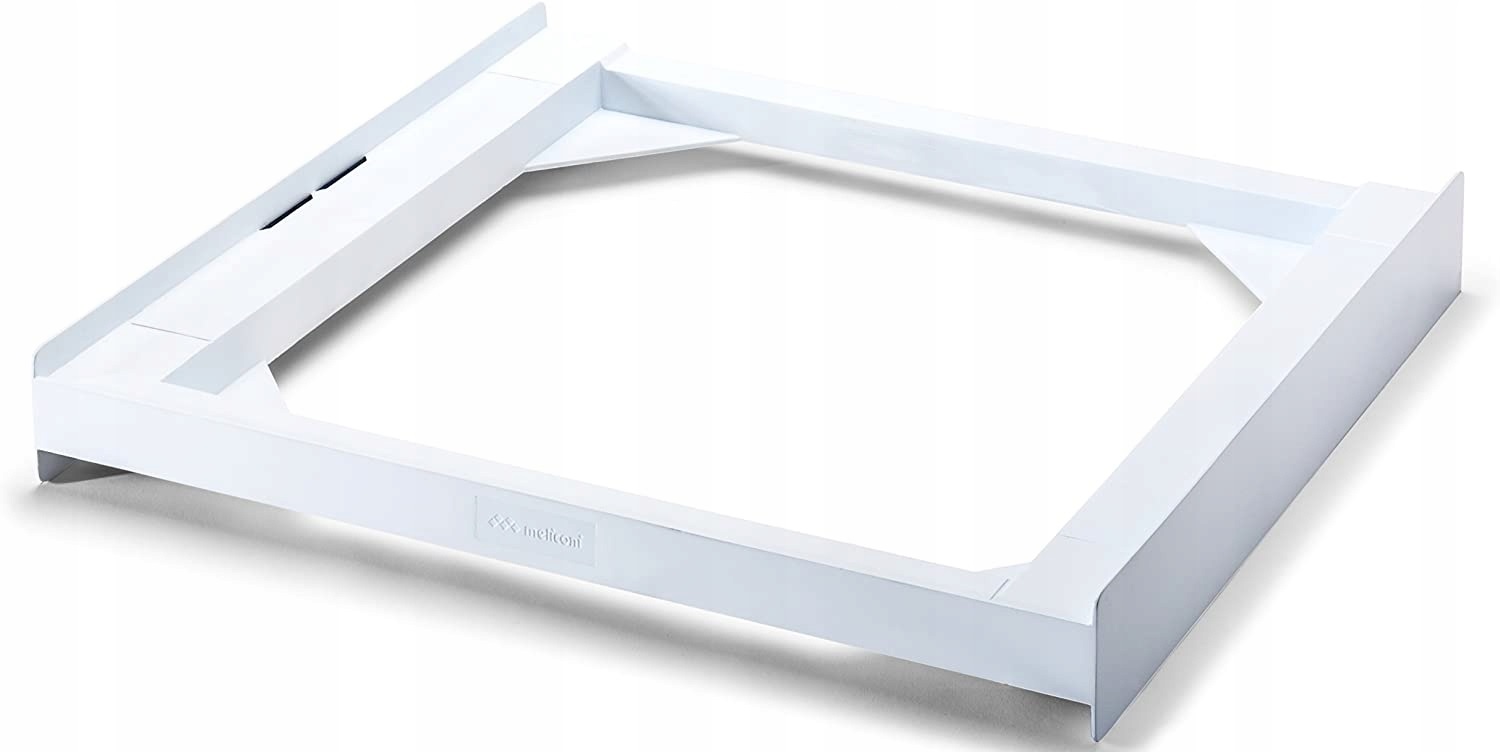
- Suitable for all brands of machines;
- pre-assembled so easy to install;
- has a universal design;
- dampens vibrations, ensuring minimal noise levels.
The Torre Basic Meliconi's robust frame ensures a secure fit, while the tensioning strap adds additional security (preventing the clamps from loosening). The maximum load per element is 250 kg.
The next option is a connecting kit for Schaub Lorenz dryers and washing machines. Made of high-quality plastic, it's resistant to deformation and mechanical damage. It features a pull-out tray for easy unloading.
The connecting piece is 51.1 cm long and 60.3 cm wide. Installation instructions are included in the kit. The kit costs approximately $80.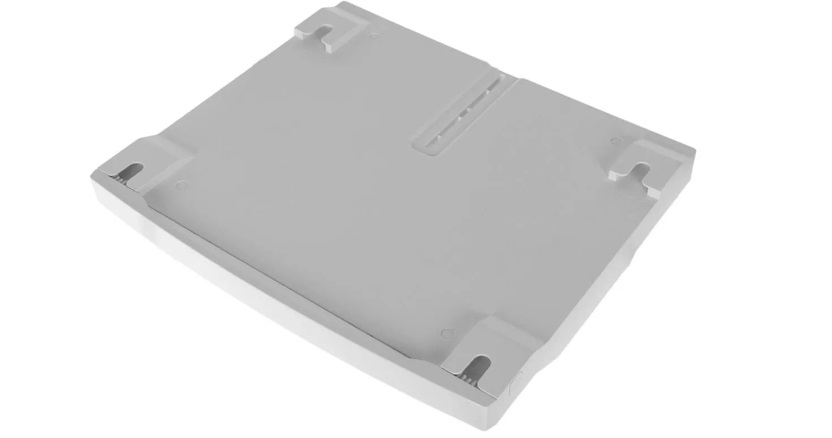
To stack your washing machines, you can purchase the Electrolux STA8GW mounting kit. It fits washers 46-47 cm deep and dryers up to 54 cm deep. The docking shelf is 57 cm long and 54 cm wide. This kit costs approximately $68.
Is it possible to do without a docking kit?
Factory-installed fasteners are quite expensive, so many users wonder if it's possible to save on fasteners while still safely installing their washing machines in a stack. Some DIYers have found a solution: they build a DIY extension above the washing machine, where they place the dryer. This isolates the upper unit, preventing vibrations from the lower unit.
The dryer is always placed on top, the washing machine – on the bottom.
The stand, which is placed over the automatic washing machine, has a base and four legs. It vaguely resembles a table. To make the stand, you will need:
- legs made of timber;
- metal corners;
- a wooden board (preferably varnished) or a piece of chipboard;
- set of fasteners.
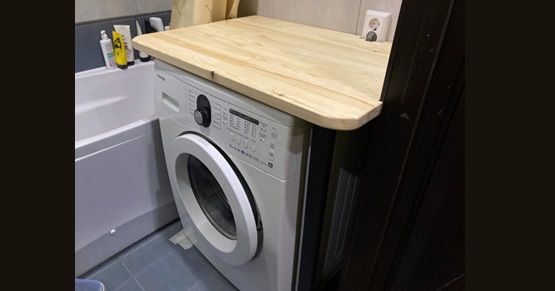
The legs are placed around the washing machine body, and then a shelf (made of wood or chipboard) is screwed to them. The structure is secured with metal brackets and screws. Be sure to check the stability of the stand—it will need to support the weight of the dryer.
The feet should not touch the washing machine body. Also, leave a gap of at least 5 millimeters between the shelf itself and the top of the washing machine. Otherwise, vibration will be transmitted to the stand, which will then transfer to the dryer.
You can also make your own cabinet out of chipboard. This cabinet can be used to "hide" the washing machine, with the dryer placed on top. This will be more expensive than a homemade stand, but cheaper than buying a special docking kit.
In any case, before placing your dryer on top of your washing machine, consider safety. Understand that vibrations are unavoidable during operation, so it's essential to protect the dryer from such vibrations.
Interesting:
Readers' comments
Headings
Washing machine repair




For buyers




For users


Dishwasher




Add a comment