
Can you put a dryer on top of a washing machine without a stand?
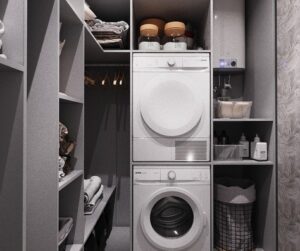
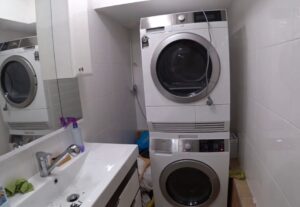 One of the most common mistakes when installing a dryer is placing it on top of a washing machine without using any additional support. Users often believe that placing a dryer on top of a washing machine without a stand is acceptable because it's lightweight and therefore won't damage the other appliance. However, this approach can be costly for the owner of an expensive appliance. Let's explore this situation, the potential risks, and the best ways to resolve the dryer installation issue.
Why don't they just put the dryer on top of the washing machine?
Experts have good reason to prohibit installing a dryer on a washing machine without a connecting element. This isn't because they want to sell an expensive device for mounting two machines, but rather to prevent damage to both appliances at the same time. A washing machine and dryer installed in a single column without additional stands may fail due to strong vibration. This is due to the fact that fragile devices simply cannot withstand external vibration.
Not to mention the potential emergency situation where, due to strong vibration, the dryer could simply fall to the floor and break, causing serious damage to the flooring. You can confirm the questionability of this installation during the washing machine's operating cycle—just watch for excessive vibration during the spin cycle. This vibration may be weaker or stronger depending on the model of your "home helper," but even at the lowest speed, there's a serious risk of the dryer falling over.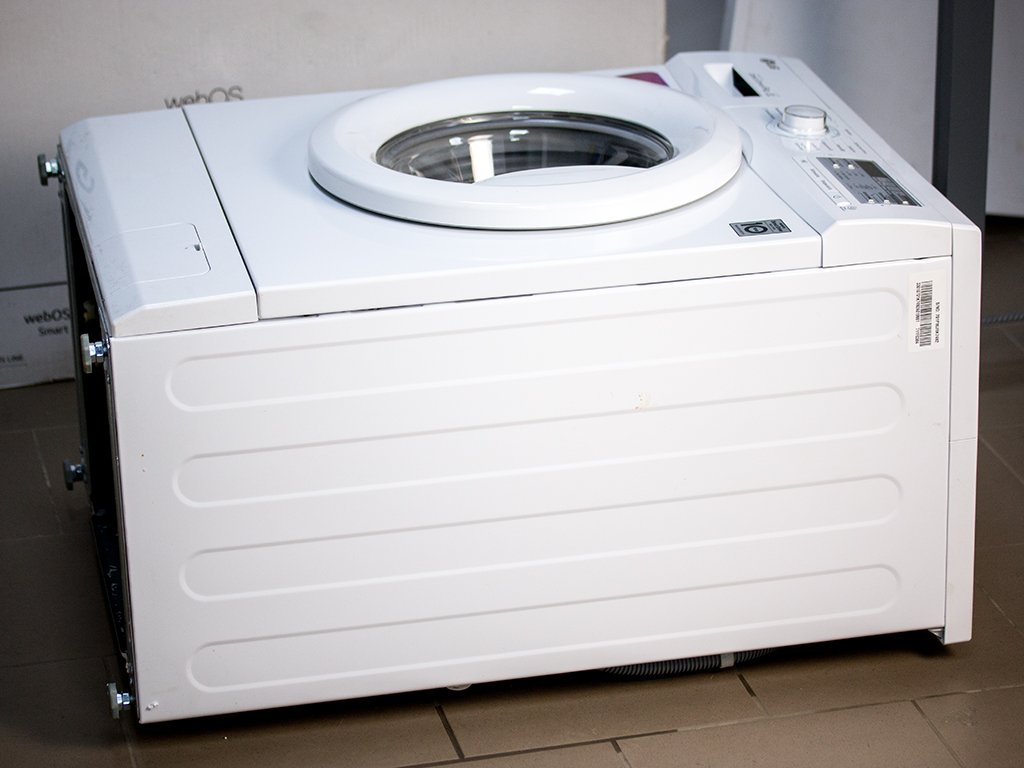
To protect expensive equipment and floors, it's best to purchase a special mounting device from the store. However, if you want to save money and avoid the need for a connecting element, you'll have to protect the dryer yourself by creating a clever stand.
A cheap way to determine if a dryer is a washing machine
Since factory-installed installation kits typically cost between $50 and $150 in stores, it's only natural that appliance owners don't want to incur additional costs, especially if they've just purchased an expensive dryer. Therefore, they often create their own home-made installation kits for stacking appliances.
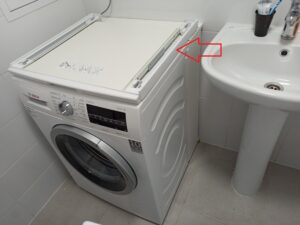
Typically, users create a small extension over the washing machine on which they place the dryer. The superstructure looks like four legs secured with a sturdy shelf – from the side, the device vaguely resembles a small table. To create it, you will need: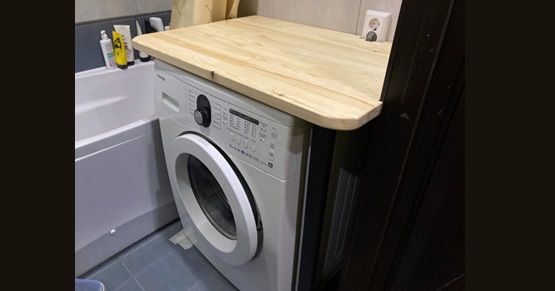
- legs made of durable timber;
- metal corners or channels;
- a lid made of wood or chipboard, preferably coated with waterproof varnish to prevent it from bubbling from moisture;
- set of metal fasteners.
Place the feet around the washing machine body, securely screw the lid to them, and then check the stability of the stand, which must be able to support the weight of the dryer. Make sure the feet don't touch the washing machine body, as this will transfer vibration from the washing machine to the stand.
There must be a gap of at least 5 millimeters between the lid of the washing machine and the stand.
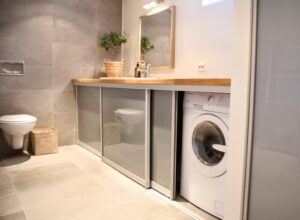
It's also possible to create and use a laminated chipboard cabinet to house the washing machine and place the dryer on top. This is slightly more expensive than making a stand from timber, but it's much more attractive and less expensive than a connecting element. In any case, the most important thing in this type of installation is that the appliance is safe and the stand fits well with the home's interior.
Interesting:


Readers' comments
Headings
Washing machine repair




For buyers




For users


Dishwasher




Add a comment