
Drying polyester in a tumble dryer
 Many housewives ask whether polyester can be tumble dried. Garments made entirely of this material are rare; they are usually fabrics with added polymers. However, the question remains relevant.
Let's find out whether it's safe to machine dry polyester. What are the characteristics of this material? How can you avoid damaging items and extend the life of items containing polymers?
Will polyester be ruined in the dryer?
What items are made from polyester? This durable and wear-resistant material is used to make sports leggings and tops, underwear, stockings, tights, raincoats, jackets, and boots. It is also popular for curtains and other home textiles.
Polyester items are wear-resistant, lightweight, wrinkle-resistant, and dry quickly.
Polyester clothing retains its color throughout its lifespan. The material is resistant to fading and does not fade in the sun. These items do not absorb odors, are resistant to microbial growth, and do not collect dust and dirt.
However, polyester is stiff, poorly breathable, and highly static-prone. Therefore, it is most often used in combination with other synthetic fabrics to enhance the fibers' original properties.
Polymer fibers do not absorb moisture well, so such clothes dry very quickly. Polyester items can be tumble dried, but at the lowest temperature. You will have to leave the items slightly damp to prevent creasing.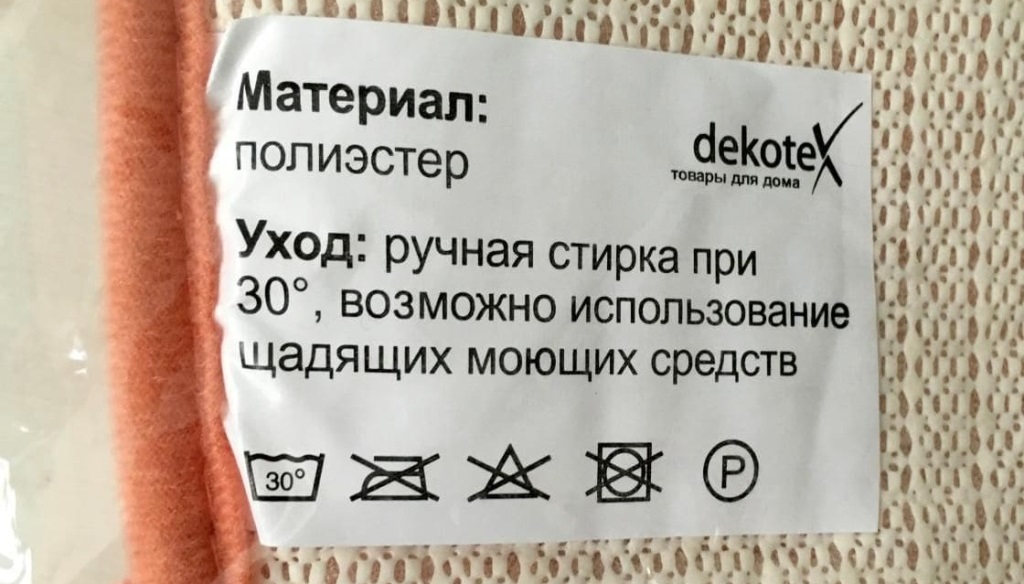
The best option is to dry such items in a drying cabinet. This way, you can hang them up and straighten them out, eliminating the risk of creases and folds.
If you're using a tumble dryer, don't dry your items completely. Wrinkles can become permanent. Therefore, you can only run a short cycle at the lowest temperature, then hang them on a hanger to dry completely.
Follow the drying instructions
Of course, a tumble dryer can significantly reduce drying time and simplify laundry care. However, don't load everything into it at once. Some items can be damaged by machine drying, so it's best not to take any chances.
Before placing an item in the dryer, check the care label for care instructions.
Manufacturers place symbols on garment labels. By deciphering these symbols, you can determine whether the item is machine washable and dryable. What symbols appear on the label?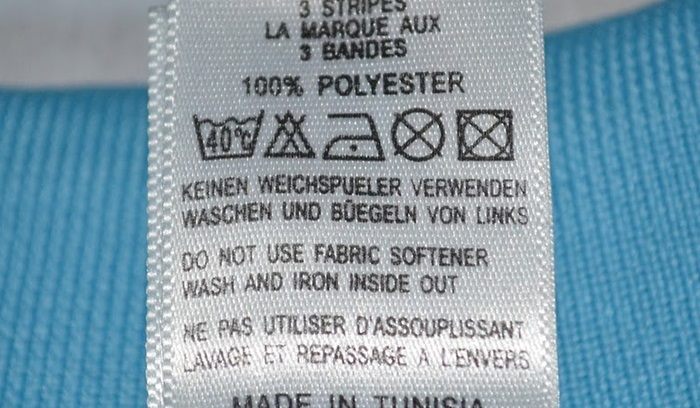
- Empty square – only normal, natural drying is allowed.
- A square with a circle inside. Machine drying is permitted.
- A crossed-out square with a circle inside. Do not tumble dry.
The manufacturer may also provide restrictions on drying temperature. If there are two dots inside the circle, heating up to 80 degrees is permissible; when there is only one dot, heating up to 60ºC is permissible. Therefore, it will be important to choose the appropriate mode.
What items are suitable for the dryer and what are not?
What should you do if there's no care label from the manufacturer? In this case, you need to consider the item and fabric type. There are some general guidelines you should follow. Generally, you can put a lot of items in the dryer. What kind?
- Home textiles. These include towels, tablecloths, sheets, pillowcases, kitchen napkins, curtains, and other cotton items. These items are generally machine-dryable. Some modern machines even have a dedicated "Bed Linen" program, but the standard "Cotton" program will also work.
- Cotton clothing. These include T-shirts, tank tops, socks, tights, shirts, trousers, etc. For these items, there are "Cotton" and "Cotton Eco" algorithms. Modern machines will dry items thoroughly without shrinking or stretching the fabric.
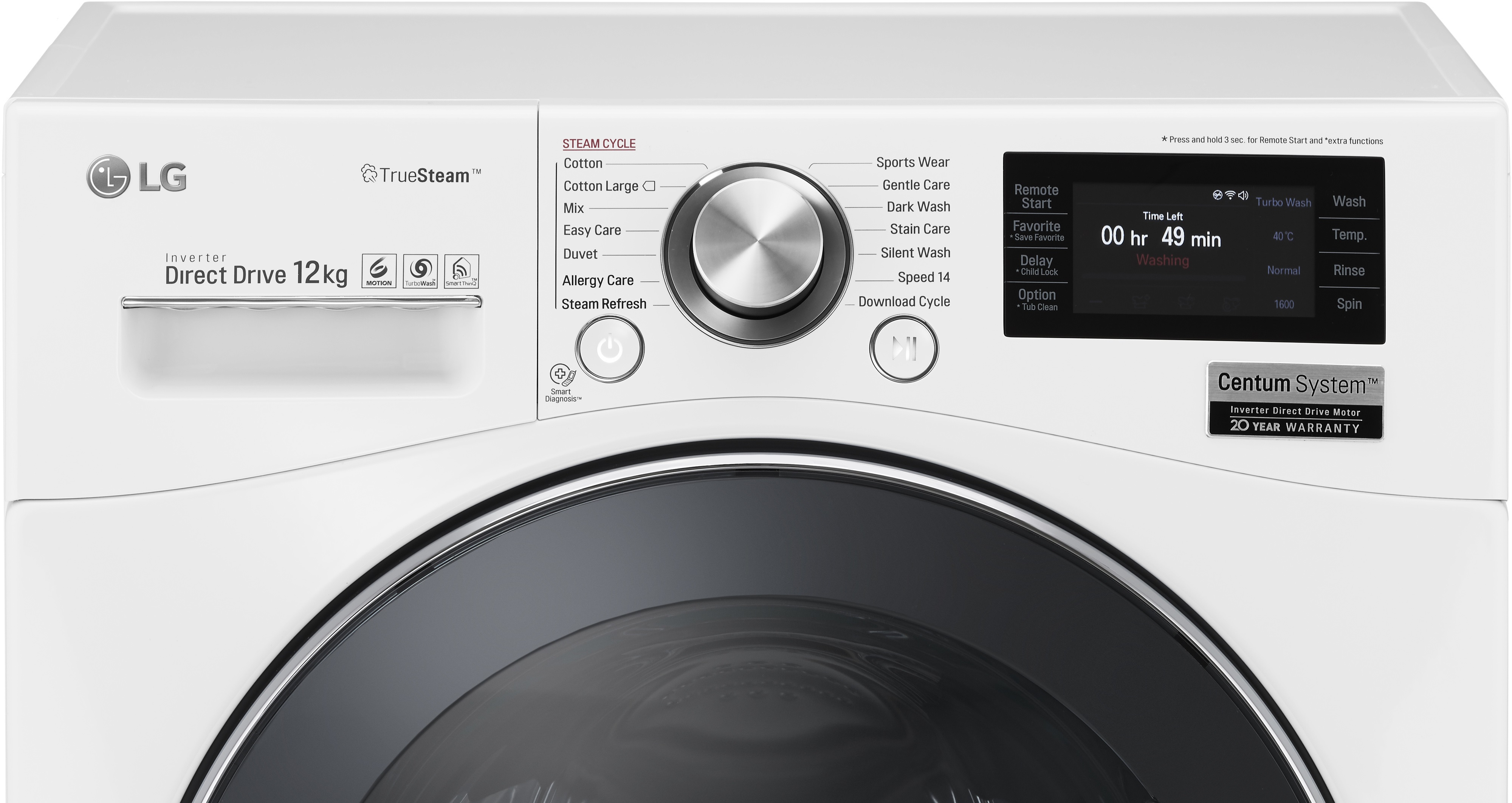
- Synthetics. Modern dryers have a dedicated "Synthetics" program. This program is suitable for clothes made of polyester, nylon, polyamide, neoprene, and similar materials. The cycle temperature will be low; if possible, it's best to adjust the temperature to the lowest setting.
- Baby items. You can safely throw your baby's clothes in the dryer. The machine will handle diapers, undershirts, and rompers with flying colors. Modern machines even have a special setting. The "Hypoallergenic Drying" program is also suitable.
- Sportswear. Workout attire such as leggings, T-shirts, and tops can be tumble dried. It's important to select a gentle cycle. If you're manually setting the cycle, use a low temperature and a short time (up to 60 minutes).
There are also a number of items that should never be tumble dried. These items will be damaged even if the tumble dryer is set to the lowest temperature.
- Clothing made of natural fur or with fur inserts. Fur items should be dried naturally. Generally, it's recommended to take fur coats to a dry cleaner. Dry cleaners will ensure the garments are preserved using professional products.
- Items with embellishments such as embroidery, rhinestones, studs, beads, stickers, etc. may be damaged even if set on a gentle cycle. Such garments typically require hand washing and air drying.
- Leather and suede items. It doesn't matter whether they're synthetic or genuine. Drying them in the dryer will ruin them. After such treatment, the fabric will become rough, shrink, and may crack.
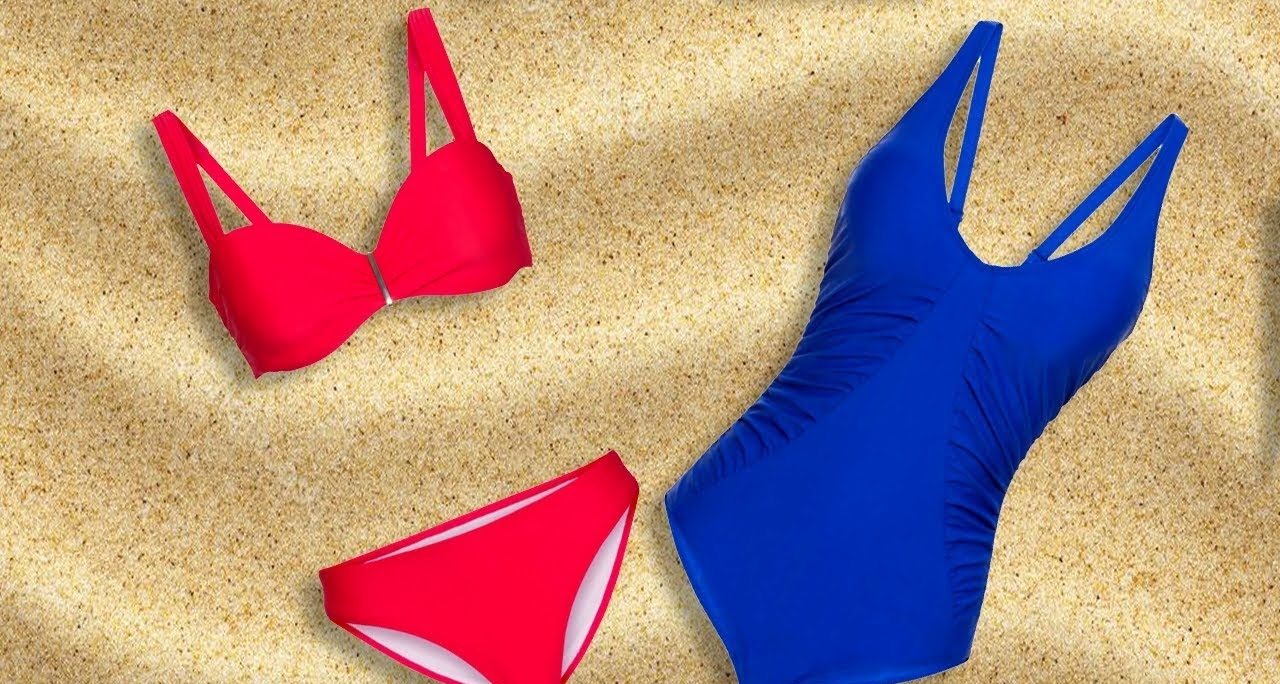
- Beach accessories. This specifically includes unwashed blankets, slippers, knitted bags, and swimsuits. You can't just come in from the beach and throw them in the washing machine. Towels and blankets can pick up a lot of sand, which can damage the dryer.
- Dirty items. Don't throw clothes in the machine that you've been wearing, for example, after being wet in the rain. The dirt will remain on the drum surface and will stain your clean laundry. Therefore, always wash and spin the items first, and only then throw them in the dryer.
Therefore, you can tumble dry polyester items, but only on the lowest setting. If you set the wrong temperature, the material will wrinkle, which will be very difficult to remove. It's always best to follow the care instructions (found on the care label).
Interesting:


Readers' comments
Headings
Washing machine repair




For buyers




For users


Dishwasher




Add a comment