
The washing machine drive belt is whistling.
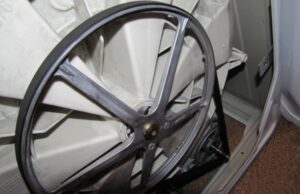 Some housewives notice that over time, an unpleasant whistling sound develops from their washing machine's belt. This annoying noise is often so loud that standing near the machine without covering your ears is simply impossible. The situation seems rather paradoxical. The belt drive is in good working order, the machine seems to be working, but there's a problem that needs to be addressed.
Anti-slip additives
The cause of the squealing noise is quite simple. The drive belt, located on the pulley, begins to slip as the machine accelerates. This produces a very loud, piercing whistle that's simply unbearable. This noise typically occurs regularly when the machine is transitioning from one operation to another:
- wash – rinse;
- end of rinsing – spinning.
- in between regime changes.
Sometimes, simply replacing the belt can solve the problem and repair the machine. Over time, the belt stretches significantly, the tension decreases, and the part begins to slip and make noise. What should you do if, due to certain circumstances, replacing the belt is not possible at the moment?
As a temporary fix, you can try increasing the friction force. You can spray the belt with a special spray called "Hi-Gear Belt Dressing." One can costs around $5. It will last a long time. However, one spray will only solve the annoying squeak for 15-20 washes, after which the noise will reappear. The spraying process will need to be repeated.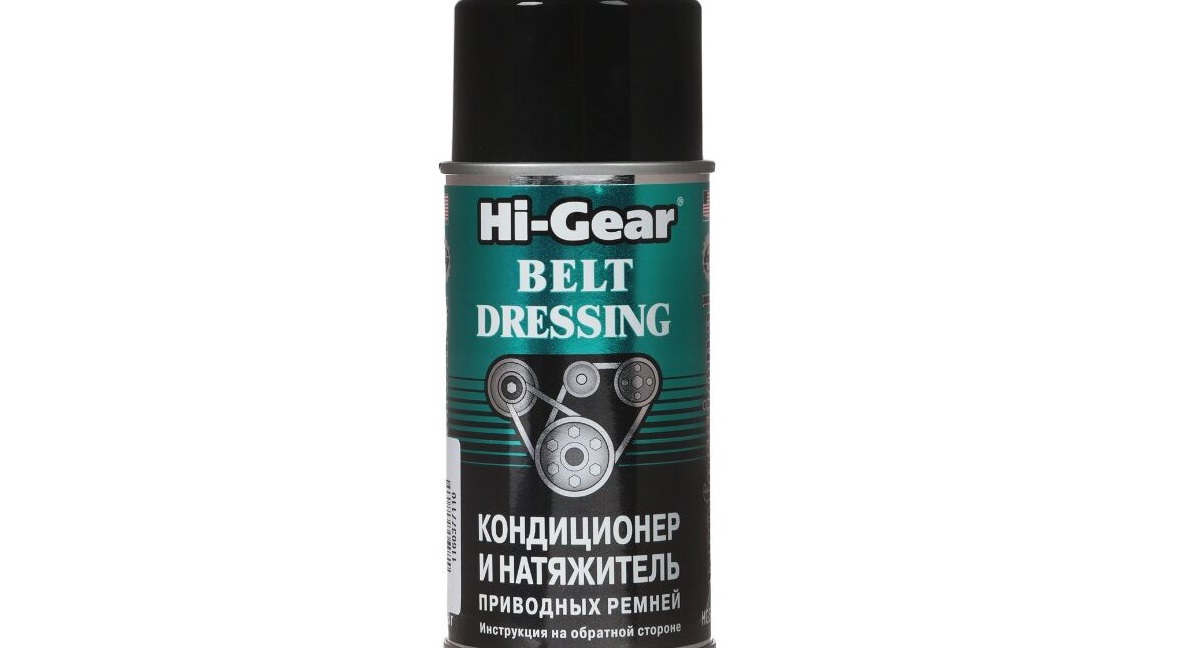
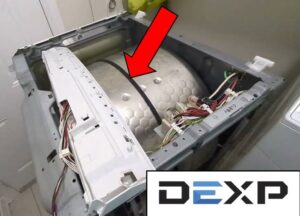
- turn the machine around;
- unscrew the screws on the back wall;
- remove the wall;
- Re-spray the drive belt.
There's another way to solve the squeaking problem. You'll need a small piece of rosin. It can be purchased at any hardware store. Moreover, it costs much less than the spray. Almost any home where the owner solders something is sure to have some rosin.
To eliminate the source of the squeak, rub the belt's working surface, which directly contacts the pulley, with rosin. Slowly rotate the pulley by hand, rubbing the next section of the belt. Continue this process until the entire belt is completely coated.
Good to know! Strap friction is significantly improved by using dry rosin, which doesn't have the drawbacks of bulk store-bought conditioners. Violinists use a similar procedure when rubbing their bows.
Rubbing the belt surface with rosin produces a positive effect for approximately 25 washes. After rubbing, dirt and dust begin to adhere to the dry surface. To prevent squealing in the future, the best option is to replace the old, overstretched belt with a new one.
How to buy and install a new belt?
Before heading to the store for a new belt, you should first inspect the old part and carefully study the markings. The first four digits indicate the factory diameter in millimeters. Then, measure the circumference of the elastic band. This measurement is compared with the original size.
Please note! If the belt has stretched by 2 cm or more, it must be replaced. It is no longer suitable for use.
When selecting a new belt, take into account the markings and the model of your automatic (semi-automatic) washing machine. Installing the new belt follows a specific sequence: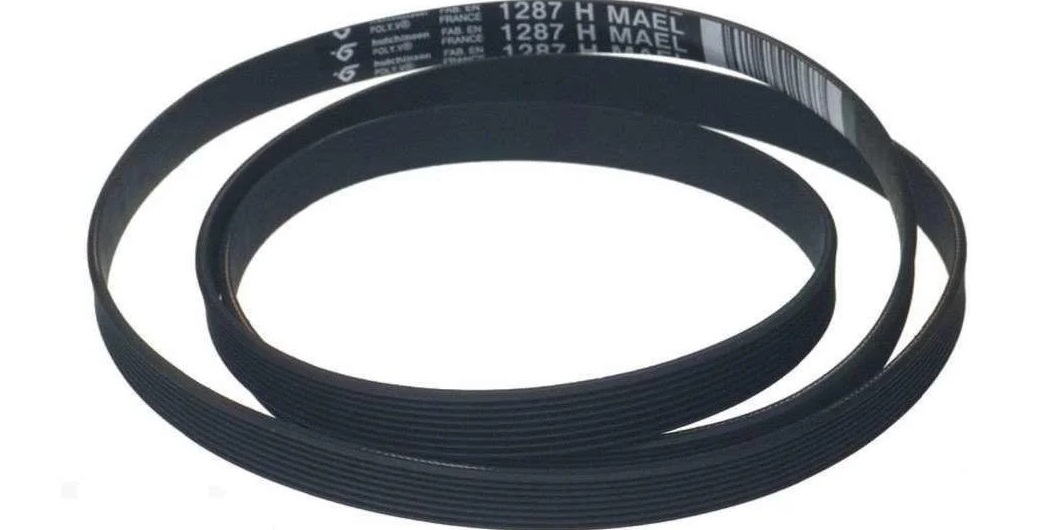
- the belt is thrown over the pulley of the electric motor;
- We slightly rotate the pulley counterclockwise, and the part “sits” on the drum wheel.
It's best to install the belt with an assistant. Factory rubber is usually very tight, and installing it yourself requires considerable physical force. To understand how tightly the belt is seated, just start turning the pulley. If the rotation occurs with tension, then everything is done correctly.
After checking the quality of the installation work, we install the back wall, connect all the utilities, put the machine back in place, and turn on a "cold test wash" without filling the drum with laundry.
Interesting:



1 reader comment
Add a comment
Headings
Washing machine repair




For buyers




For users


Dishwasher




Thank you!