
The washing machine's drain hose is leaking.
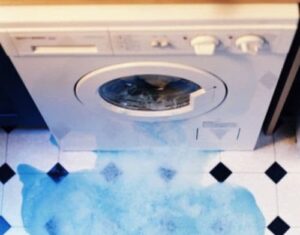
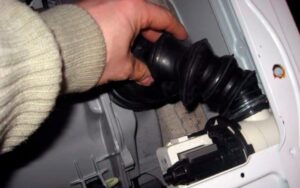 What should you do if you find a puddle under your washing machine while it's running? You need to act immediately, as water on the floor not only causes inconvenience but can also damage furniture and leak into the neighbors' rooms below. If you're sure the leak is from a hose on your washing machine, you'll save a lot of work—you won't have to diagnose the machine. Let's figure out how to fix the problem.
What do we do right away?
If you notice that the machine is leaking, you need to quickly turn off the power to the machine. It is important not to touch or step into the water until the power has been turned off. This is extremely dangerous—the washing machine remains energized, so any contact with liquid will pose a health risk. After disconnecting the power, turn off the shutoff valve that controls the water supply to the machine. You can wipe the floor by turning off the tap on the pipe.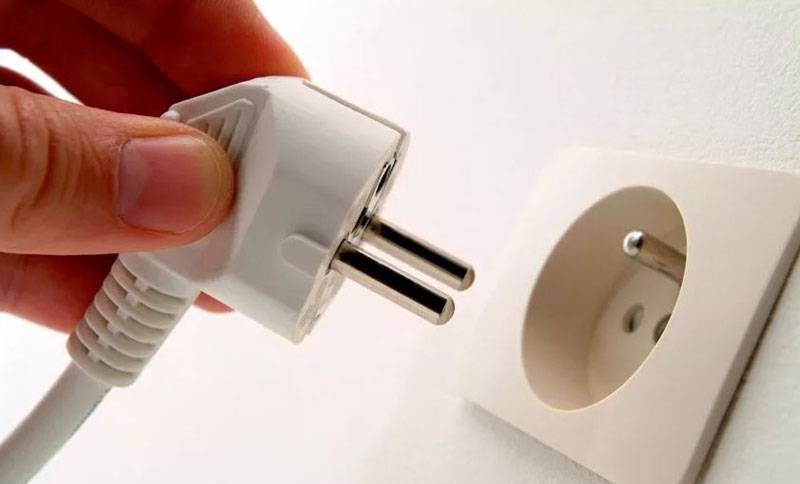
The next step is to drain the water from the washing machine's drum using the special emergency hose. The hose with the plug is located at the bottom of the machine, near the waste filter. Remove the plug and collect the liquid in a prepared container. Finally, remove the laundry from the drum. The machine should open automatically once all the water has been drained. If this doesn't happen, you can unlock the machine using a rope by looping it around the handle and pulling on the ends.
Only after disconnecting the power and freeing the machine can you begin diagnosing the machine and finding out which pipe is leaking.
Element between the powder receiver and the tank
A fairly large hose extends from the powder receptacle, through which water with dissolved detergent flows into the tank. Often the pipe leaks in the area of the clamps, so it’s worth checking the reliability of the connections first. A leak can occur because the clamp isn't tightened enough. Conversely, if the clamp is too tight, the hose in that area may crack from excessive pressure. A third cause is natural wear and tear; the rubber may wear out from excessive vibration.
Assess the extent of the damage. If the crack is at the end of the hose, you can try cutting off the damaged portion and reinstalling the old hose. If the damaged area is larger, it's best to replace the element with a new one immediately. To remove the hose, loosen the clamps on both sides and pull the hose toward you. The next step is as follows: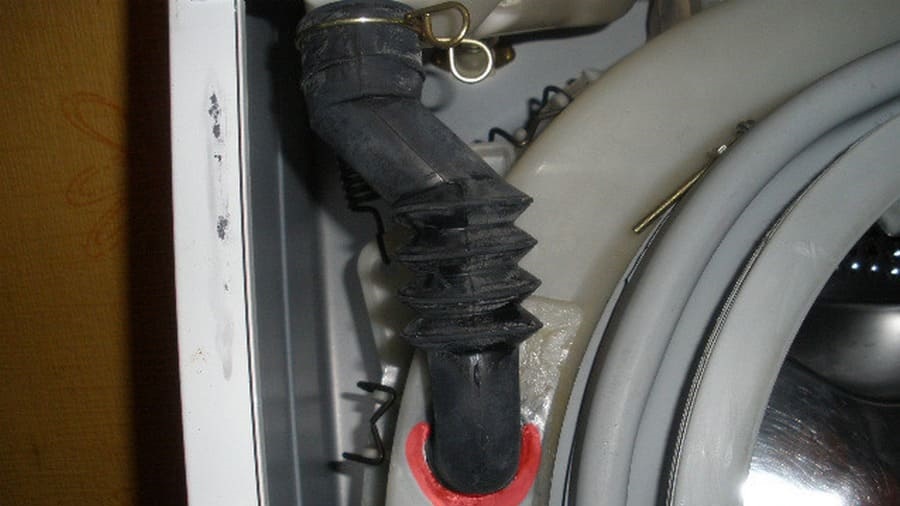
- clean off any remaining glue, powder residue and other deposits from the dispenser terminals and tank;
- wait until the surfaces dry;
- Connect the new hose to the tank. For additional fixation, it is advisable to use epoxy glue or a moisture-resistant silicone sealant;
- connect the hose to the powder receptacle;
- secure the pipe on both sides with clamps.
Don't overtighten the clamps. This will put more stress on the rubber, and over time, the hose will leak again. Therefore, it's crucial to secure the ends of the hose properly.
Element between the inlet valve and the dispenser
If your machine leaks immediately after starting, check the filler pipe. It connects the inlet valve to the detergent drawer. This element is constantly under significant pressure, so it may leak.
It is not recommended to repair the filler pipe, namely, try to seal it with a rubber patch or bandage the crack.
A couple of washes and the water pressure will puncture the rubber hose again. Therefore, if it's damaged, you should install a new hose immediately. To access the hose, remove the top cover of the machine. Inspect its surface – if there are no defects, it may be leaking due to loose clamps. Try tightening the clamps. If that doesn't help, install a new inlet hose.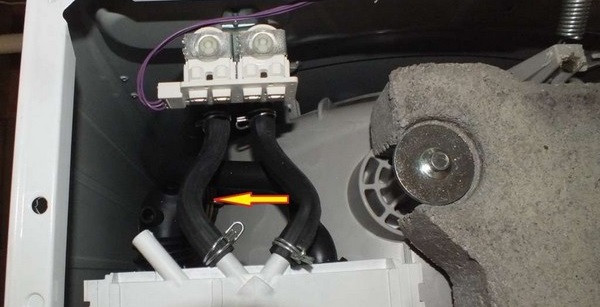
The pipe between the tank and the snail
The most difficult problem is when the washing machine drain hose leaks. This hose is the most likely to be damaged, as dozens of liters of dirty water flow through it every time the machine is started. To inspect this component, lay the washing machine on its side. The drain hose connects the tub to the pump. If you notice any cracks in the rubber surface, the hose should be replaced immediately.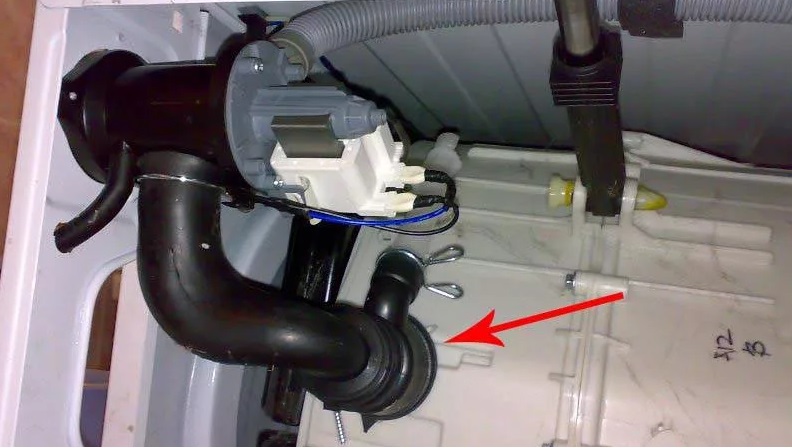
If there are no visible defects, inspect the connections between the hose and the volute and tank. The clamps may be loose. If the hose is intact, additionally taping the joints or treating them with a waterproof sealant may help. On washing machine models with the Aquastop system, accessing the drain hose from below will be difficult due to a special tray with a float. Therefore, it's best to remove the rear wall of the housing and access the hose through the access hatch.
Interesting:

Readers' comments
Headings
Washing machine repair




For buyers




For users


Dishwasher




Add a comment