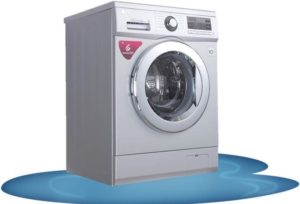
A leaking washing machine is a very unpleasant problem. Firstly, it requires expensive repairs, and secondly, there's a high risk of flooding the neighbors below. Therefore, if your Indesit washing machine is leaking, you need to act quickly. It's essential to find the weak spot and fix the leak as quickly as possible.
Why did this happen?
There are several factors that can likely contribute to a leaking washing machine. In some situations, a combination of these factors may even be present. The most common causes are:
illiterate use of the washing machine;
use of poor quality detergents;
defects in individual parts or units of the machine, allowed at the factory;
damage to machine components.
Before diagnosing the unit, empty the drum, disconnect the power, and turn off the water supply. Then, you can begin inspecting the machine. Let's take a closer look at what could be causing the leak and how to resolve it.
Let's check the external elements of the machine
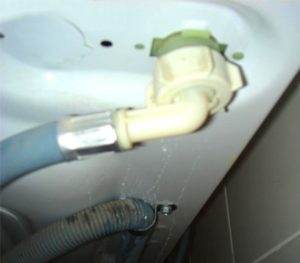
The first thing to do is inspect the washing machine's hoses, which are quite common. They are visible and easy to reach. Finding a defect (crack) on the surface of the drain or fill hose is easy, and you can usually spot the damage with the washing machine turned off.
It is recommended to wrap the hose with a paper towel or toilet paper; any place where the material gets wet will indicate a defect causing the leak.
The leak may be located where the hose connects to the washing machine body. In this case, you'll need to disconnect the hose from the machine and replace the rubber seal. If the leak is determined to be a cracked hose, don't try to patch it, as the leak will soon reoccur. It's best to replace the hose immediately.
Let's look at the powder receptacle
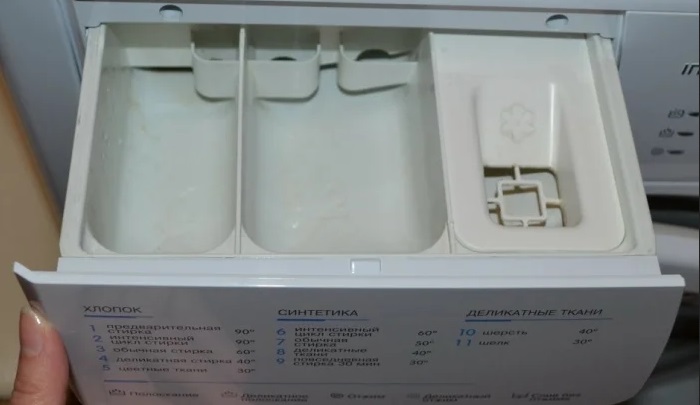
If after your latest wash you notice water leaking from the bottom, especially on the left side of the machine, inspect the detergent dispenser. Checking the drawer is very simple – it's easy to remove from the machine, and the procedure doesn't take long. The powder receptacle often leaks due to a defect made by the manufacturer, as well as due to mechanical damage that occurs during cleaning the tray, when dropped or impacted. Things to remember:
Have you recently dropped the detergent container, for example, when you were cleaning it after a wash cycle?
was the cuvette soaked in aggressive household chemicals?
Did you rub the tray surface with a hard brush or try to scrape off plaque with a sharp object?
If the answer to any of these questions is "yes," then remove the powder dispenser and carefully inspect it for cracks. Fill the drawer sections with water and see if it leaks out the bottom. If the powder compartment is leaking, there's no other option but to purchase and install a new dispenser.
Hatch rubber
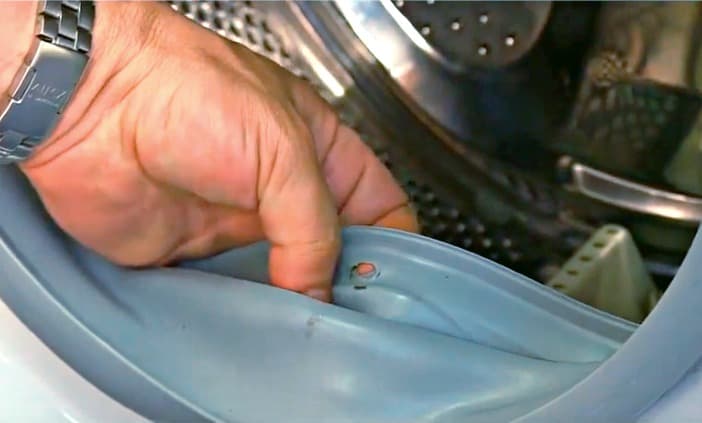
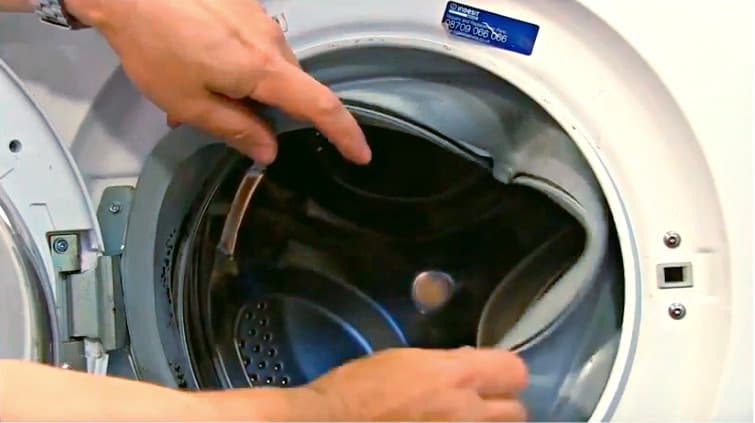
If you notice a leak coming through the door, the problem is most likely with the seal. Water will leak out from under the door and run in a small stream down the front wall of the machine. Carefully inspect the seal for damage.
Do not mistake the specially provided recess located at the bottom of the cuff for a defect.
The seal can be repaired; if there are significant cuts, it's best to install a new one. To prevent this kind of damage, check the pockets of your clothes before loading them into the drum. Coins, paper clips, hairpins, and other items that can damage the seal are often left there. Minor defects of the cuff can be removed using special patches and waterproof glue.
Internal pipes
If all the steps described above fail to fix the leak, you'll have to dig deeper. Further diagnostics involve partial disassembly of the washing machine. Before beginning work, be sure the washing machine is de-energized and disconnected from all utilities. Ensure free access to all walls of the machine's housing, so it's best to move the machine away from the wall.
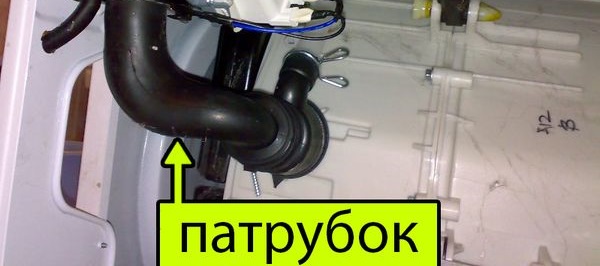
First, remove the top cover of the washing machine by unscrewing the bolts securing it. This will give you access to the dispenser pipes. Next, inspect the pipes leading from the filling valve to the powder receptacle and from the drawer to the drum.
Another potential leak hazard is the connection between the pump and the drain hose. To check the connection, lay the Indesit washing machine on its side and inspect the components through the bottom.
The main tank is damaged
Drum defects often occur when washing not only clothes but also shoes and belts in the machine. Clothing with metal inserts, bra underwires, and other sharp and hard objects left in pockets can also damage the main drum.
If a crack occurs in the tank, costly repairs will be required, including a complete replacement of the element.
The problem may not be limited to a defect. The cistern is constructed from various parts that are fastened together. An integral part of the connection is the gasket. Over time, the rubber seal loses its properties and begins to leak. In this case, the sealing element will need to be replaced.
Destruction of bearings and seals
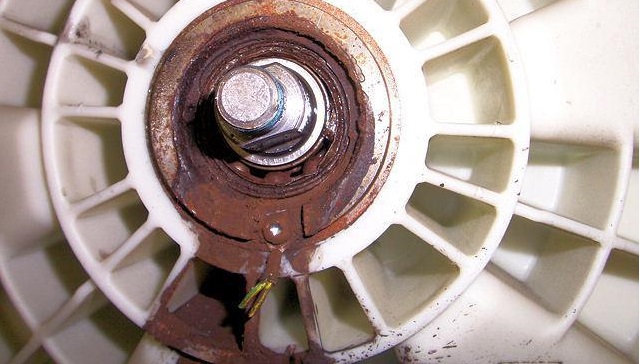
If your Indesit washing machine leaks during the spin cycle, you'll need to replace the seal. Over time, it wears out and begins to leak water. To inspect the seal, you'll need to disassemble the washing machine's drum. Diagnostics may reveal that the drum bearings also need replacing.
There's another, easier way to check the seal and bearings. Remove the back panel of the housing (or simply the service hatch cover, depending on the Indesit washing machine model). Then carefully inspect the rear surface of the drum. If you see rusty or oily stains, the seal is definitely defective.
Is it difficult to fix a leak?
Is it possible to fix a leak yourself, without calling a professional? If you carefully examine the problem and approach the repair responsibly, then yes, of course. However, you should be extremely careful not to make the machine worse. If your washing machine is under warranty, you shouldn't try to repair it at home; it's better to take it to a service center.
The steps taken will vary depending on the location of the leak. If water is leaking from below, the sequence of actions will be as follows:
Unplug the machine. Be careful when unplugging the power cord, avoiding contact with wet floors. If you can't unplug the machine without stepping in a puddle, turn off the power at the electrical panel. It's important to follow this rule to avoid electric shock.
close the shut-off valve;
Drain the water from the drum. You can remove it by unscrewing the waste filter located at the bottom, right corner of the Indesit washing machine;
unlock the drum door, remove the laundry;
Find the leak. If the hoses are defective, replace them or repair the crack (using a special rubber patch). If the problem is a damaged gasket between the housing and the hose, remove the seal and install a new one. Once the rubber seal is replaced, reassemble the system in reverse order.
If the detergent drawer is leaking, you'll need to address the dispenser. Remove the drawer from the washing machine and inspect its surface. If necessary, clean the drawer of any plaque, clogs, mold, or mildew. Reinstall the cleaned dispenser and test the machine. If the detergent drawer is cracked, it will need to be replaced.
It's also recommended to check the water pressure and, if necessary, slightly close the shut-off valve to reduce the flow. If this doesn't help, the problem may lie with the inlet valve, which will likely need to be replaced.
A common cause of a washing machine's leaky seal is a defective door seal. Open the drum door and inspect the seal. If cracks or cuts are found, they can be repaired using waterproof glue and special patches. If you decide to repair the seal, follow these steps:
loosen the clamps securing the seal;
rotate it so that the damaged area is located at the bottom of the hatch;
patch the defect;
Return the elastic to its original position and secure the clamps.
If the cuff is severely damaged, it must be completely replaced.
When checking the solenoid valve hose, remove the Indesit's top panel and inspect the component. If it has visible defects, it will need to be replaced. The inlet valve hose is a fairly complex component, so it's best to have it reinstalled by a professional.
The filler neck may also leak. Remove it, clean the mounting surface, remove excess adhesive, and dry the connection area. Then reinstall the neck and secure it with high-quality waterproof adhesive.
If you need to fix a leak that appeared as a result of a crack in the tank, then it will be difficult to cope with such a job alone; you will need an assistant. First of all, you should tilt the washing machine and inspect its bottom. For vertical washing machines, the side wall is inspected. The purpose of this visual inspection is to detect any leaks. If wet spots are visible on the wall or bottom, the cause, in almost 100% of cases, is damage to the drum. Repairing it yourself without the necessary knowledge and tools is impossible. Therefore, it's best to seek professional help.
If your Indesit washing machine leaks during the spin cycle, it's likely due to faulty bearings or a worn seal. You'll need to disassemble the machine, remove the tub, split it in half, knock out the bearings, treat the bearing area with special grease, install new parts, and reassemble the machine in reverse order. This type of repair is considered complex and is best left to a qualified technician.
To prevent leaks from recurring
Careful use is the key to the successful operation of your “home assistant”. The service life of individual parts and components of an automatic washing machine directly depends on how you use the appliance. To prevent leaks from the unit, it is recommended to follow simple rules:
Items with metal inserts should be washed in special bags. Sharp and hard parts of clothing can damage not only the cuff but also the drum and plastic tub. The same applies to small items of clothing—they can be sucked into the washing machine's drain pipe.
After the wash cycle is complete, be sure to unplug the machine. A power surge can cause a component to malfunction, leading to a leak.
Do not exceed the maximum drum load capacity. If you regularly overload the machine, it will soon leak during the spin cycle.
If your tap water is too hard and dirty, install a filter at the entrance to your apartment or washing machine. This will prevent scale buildup on the washing machine components and clog the inlet filters.
It is better to place the washing machine in rooms with less humidity, for example, in the hallway, corridor or kitchen;
Owners of vertical washers should ensure the drum door is tightly closed before closing the main lid. This will reduce the risk of leaks during the spin cycle.
You should not use low-quality detergents.
By following a few simple recommendations, you can extend the lifespan of your washing machine. If you maintain your machine, clean it regularly, avoid overloading it, and use only high-quality household chemicals, your machine will avoid constant leaks.

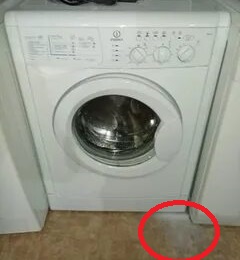 A leaking washing machine is a very unpleasant problem. Firstly, it requires expensive repairs, and secondly, there's a high risk of flooding the neighbors below. Therefore, if your Indesit washing machine is leaking, you need to act quickly. It's essential to find the weak spot and fix the leak as quickly as possible.

















There's a small bolt at the bottom of my Indesit washing machine's drum. Water is leaking from it. What could it be?