
Do-it-yourself washing machine maintenance
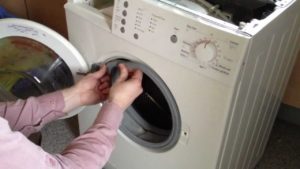 Modern household appliances can operate for a long time without intervention, especially if basic operating instructions are followed. However, without maintenance, a washing machine will only serve its warranty period or a little longer, and will soon surprise its owner with an unexpected clog or jam. Avoiding unexpected breakdowns is simple: have your machine serviced every two years. In this article, we'll explain what this means and whether it's possible to resolve the issue without calling a service center.
Initial stage of service
A complete preventative maintenance will require a thorough diagnosis and partial disassembly of the machine. You can turn to professionals for this, but it is not necessary – any man can handle the upcoming events. The most important thing is to observe safety rules and follow our recommendations. First, you need to complete the initial stage of work. Follow these instructions:
- we disconnect the washing machine from the supplied utilities: electricity, sewerage and water supply;
- We pull the detergent tray towards ourselves, take it out by pressing on the special tab and thoroughly clean it with water;
- remove the clamp on the existing hose, take out the filter mesh and wash it off the scale;
- Clean the dust filter. To do this, tilt the machine back, place a container under the right corner, cover the floor with rags, and, using a flat-head screwdriver, open the access door. Locate the filter plug, unscrew it, and wash out the accumulated dirt.
The waste filter should not be cleaned immediately after using the machine, as there will be hot water inside that can cause severe burns.
- open the door and assess the condition of the cuff - the rubber seal around the "entrance" to the drum, it should be clean, intact, without cracks, tears, rust or foreign objects;
- We rotate the drum, it is enough to shake it in both directions: it should move without interference, but with a slight stretch, the main thing is not to hear a sound reminiscent of the crunch of sand.
Finally, the drain hose is disconnected and checked for blockages. However, if there were no previous drainage issues, this step can be skipped. This concludes the initial DIY inspection.
Maintenance with partial disassembly of the machine
Sometimes a cursory inspection isn't enough, and a more in-depth diagnosis is necessary. This is especially true if the machine is emitting alarming signals, such as excessive noise, vibration, or humming. In this case, it's necessary to partially disassemble the machine body and assess the condition of the shock absorbers, counterweights, and bearings. To avoid experimentation, stick to a simple plan.
- Disconnect the washing machine from the power supply, sewerage system, and water supply, and move it to the middle of the room, ensuring free access to all sides of the washing machine.
- Let's prepare some rags.
- Unscrew 2-6 bolts on the rear panel and remove the wall.
- We remove the top cover in a similar manner.
- We find the concrete counterweight blocks and carefully inspect them for cracks and chips. Next, we press down on the stones to check if the bolts are tight enough. If they are loose, tighten them; if they are damaged, replace them.
- We return to the rear panel and check the drive belt tension. If it's slipping, remove the rubber, wash, dry, and generously lubricate with pine rosin.
- We go down and check the elasticity of the dampers, lubricating them with graphite grease.
- Don't forget about the heating element. Unclip the wiring, loosen the fasteners, and remove the heater. Soak the element in a vinegar solution until the scale dissolves, then continue cleaning with an old toothbrush or sponge.
To simplify reassembly and avoid errors, it is necessary to record the location of the wiring and spare parts on the camera.
It's best to return to the top of the machine and inspect the wires and connectors. If any fasteners appear loose, they should be tightened thoroughly or replaced with new ones yourself. Be sure to feel the hoses leading to the dispenser and run your fingers along the filler valve. Everything should be intact and dry; otherwise, damage has occurred and replacement is necessary.
Doing maintenance yourself every two years is enough to extend the lifespan of your washing machine beyond the manufacturer's 5-7-year estimate. Regular service visits to service centers are also recommended, which is more expensive but still cheaper than buying a new machine.
Interesting:





Readers' comments
Headings
Washing machine repair




For buyers




For users


Dishwasher




Add a comment