
At what temperature should I clean my washing machine with citric acid?
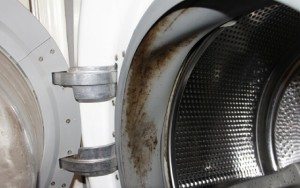
 The internal parts and components of a washing machine inevitably become coated with limescale, even when washed in clean and hard water. This isn't just due to impurities in the water supply: fabric fibers, small debris, and household chemicals also settle on the parts. To prevent this limescale from causing problems, it's important to remove it promptly.
There are plenty of professional limescale removers available, but regular citric acid is much cheaper. Let's take a closer look at how effective citric acid is, whether the results differ between 30°C and 90°C, and what dosage is needed.
What temperature should I set?
If your washing machine has been in use for a long time and has never been descaled, then a low-temperature wash will not be enough. Any cleaner, including citric acid, works better in hot water, so a temperature of 60-95 degrees is selected. Much depends on the degree of contamination of the machine: for preventative cleaning, the “60” program is sufficient, for complex cleaning – at least “90”.
The duration of the cleaning cycle is also important. Ideally, the first time you use the washing machine and the detergent, it should be several long cycles in a row—around 4-5 hours. But be careful: you can't repeat the 90-degree cycle twice; it's better to first run the 90-degree cycle, then run the 60-degree cycle twice.
You need to clean the washing machine with citric acid on a high-temperature, long-lasting cycle: “60,” “90,” or “Cotton.”
Repeated high-temperature cycles without a break are very dangerous for your washing machine. Firstly, the heating element, if running continuously, may not be able to withstand the load and burn out. Secondly, the seal that protects the washing machine's bearing assembly from moisture will overheat and become deformed. Furthermore, hot water will wash away the grease from the rubber seal faster, eventually allowing the liquid to reach the bearings and accelerate their deterioration. This will require expensive repairs, so it's best to play it safe and clean with citric acid strictly according to the instructions.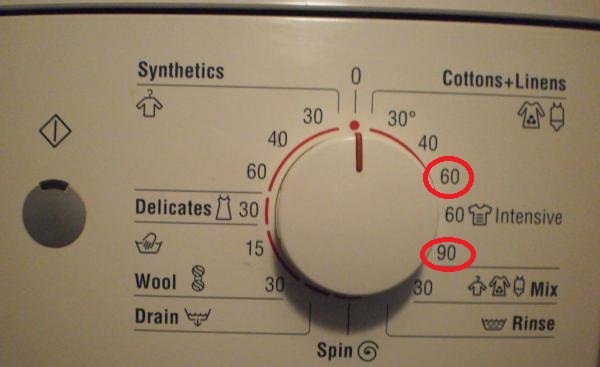
How to perform the procedure?
Citric acid is considered an affordable and safe cleaner that can quickly and effectively remove limescale and other deposits. Its advantages also include its lack of a strong odor and low cost. But its main advantage is its ease of use.
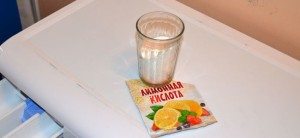
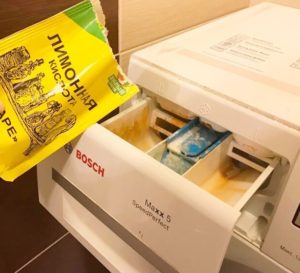
Cleaning your washing machine at home with citric acid is easy. First, purchase 3-5 sachets of citric acid. The dosage depends on the capacity of the machine: for compact washing machines with a load capacity of up to 4 kg, 150-200 g is sufficient, while for full-size machines with a drum capacity of 5-10 kg, at least 250 g is sufficient. Exceeding this dosage is not recommended, as it will negatively impact the machine's components.
Next, we adhere to the following algorithm:
- check that there are no forgotten clothes in the drum;
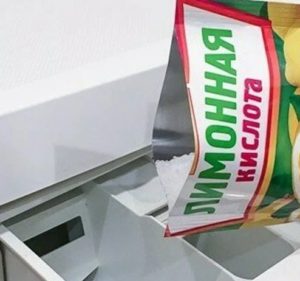
- pour citric acid into the drum or into the powder compartment (preferably into the main wash compartment);
- turn on the program “60”, “90” or “Cotton”;
- set a double rinse;
- reduce the spin intensity to a minimum, and if possible, turn it off completely;
- we start the cycle.
It is important to control the cleaning process. Under the influence of citric acid, scale will come off the surface in large pieces and may get stuck in the drain. If you hear an unusual scratching noise, stop the cycle, unplug the washing machine, remove the dirt filter, and remove any limescale or other debris. Then replace the nozzle, and the program continues.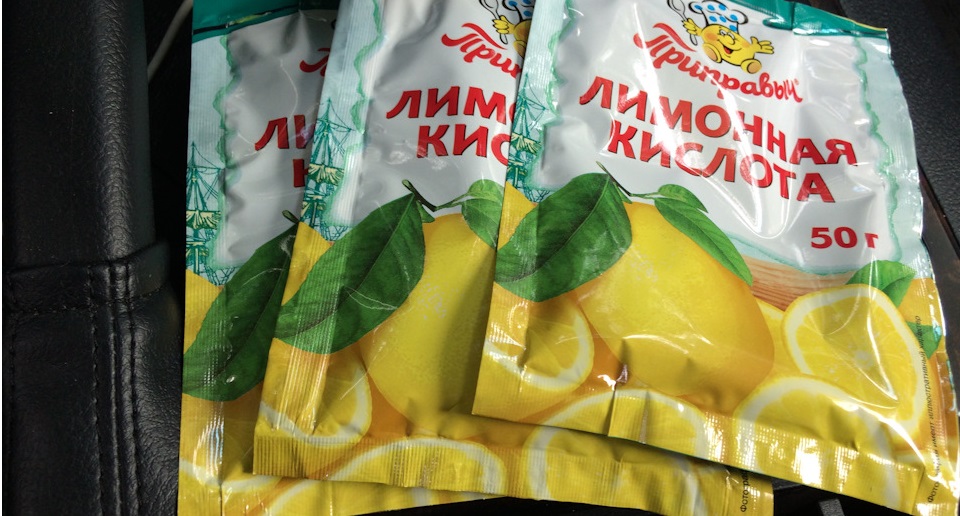
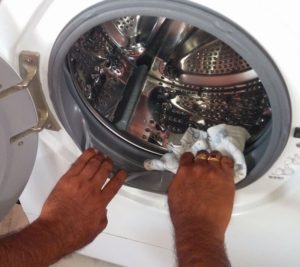
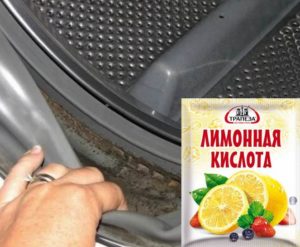
Once the cycle is complete, it's recommended to open the door and carefully inspect the drum. It's possible that limescale deposits are stuck in the seal and need to be removed. Ideally, run an extra rinse or a quick wash cycle to complete the cycle.
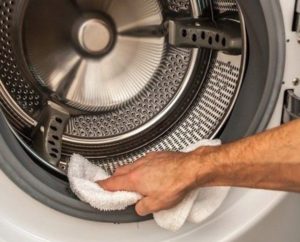
Finally, put on rubber gloves, take a dry, soft cloth, and thoroughly wipe the drum and seal. Then, check the dust filter again for any remaining limescale. Then, open the door and powder drawer wide, allowing the machine to dry naturally.
What products are used instead of citric acid?
Besides citric acid, there are other affordable and effective limescale fighters. Household chemical stores stock a variety of liquid and dry products, all of which can be broadly classified as "Antinakipin." In any case, it's important to read the ingredients and instructions on the packaging before use. Carefully calculate the dosage, as exceeding the recommended dosage will damage the machine.
There are also more unconventional alternatives, some of which aren't entirely safe or effective. For example, some people replace citric acid with fresh lemon juice, which is more expensive and less effective due to its lower concentration. Others pour three liters of Coca-Cola into the laundry tray and wash the entire cycle at 60 degrees. Using vinegar to clean the machine is unacceptable - it can corrode the rubber elements of the washing machine.
Removing scale is easy, but it's much easier to prevent it from forming in the first place. Just follow a few basic rules: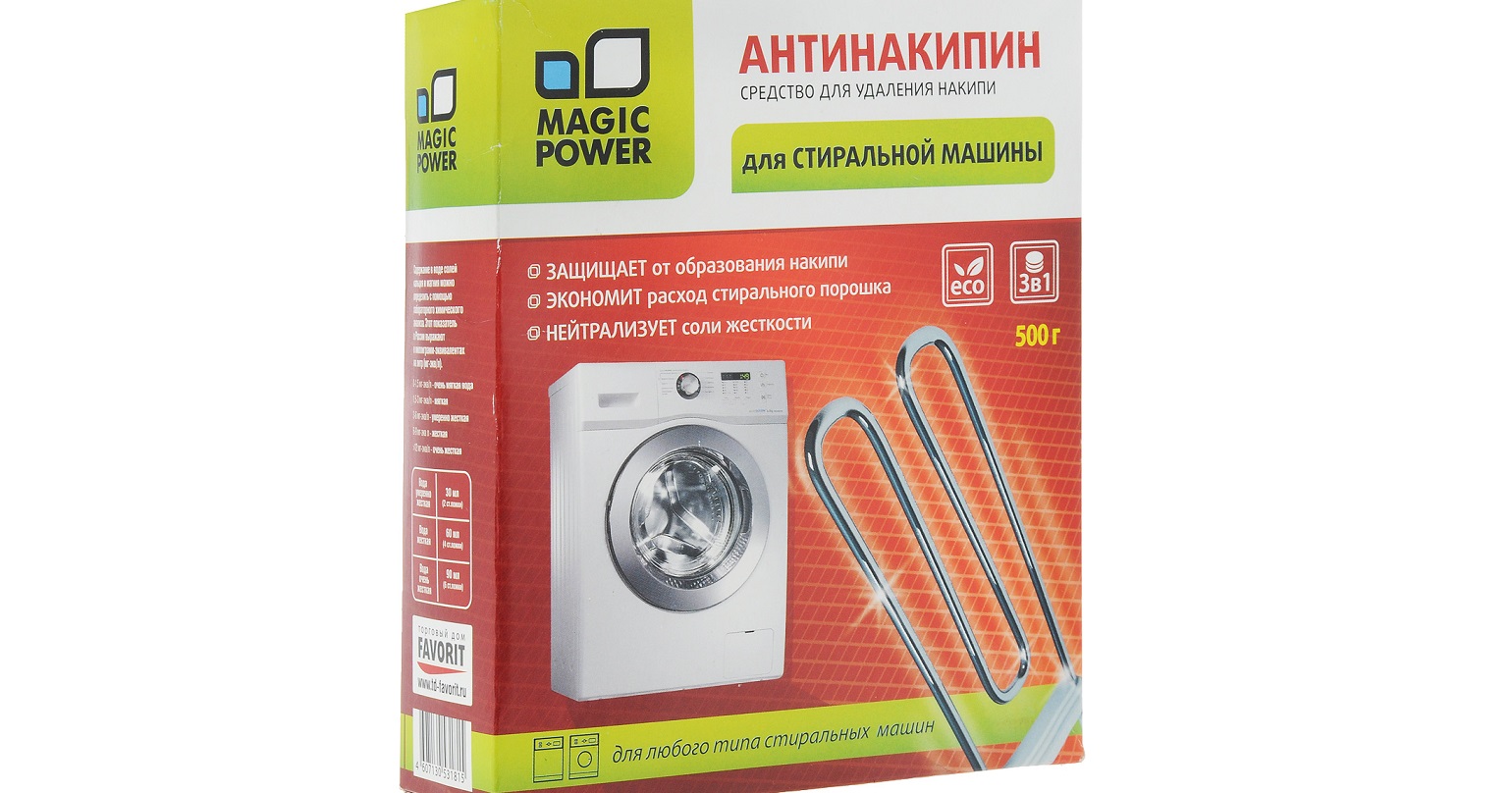
- When washing, add special water softeners;
- monitor the dosage of detergent;
- do not wash torn or worn items;
- do not use high temperature cycles too often;
- After using the machine, wipe the drum dry and leave the hatch and tray open.
Citric acid can be used to quickly and inexpensively remove limescale and dirt from your washing machine. The key is to pay attention to the dosage, set the temperature between 60 and 90 degrees Celsius, and monitor the process.
Interesting:
Readers' comments
Headings
Washing machine repair




For buyers




For users


Dishwasher




Add a comment