
At what temperature does a tumble dryer dry clothes?
 Effective use of a dryer is only possible if the user is thoroughly familiar with the appliance and all its programs. Most importantly, knowledge of the temperature settings required for specific items is crucial. After all, if the owner of a "home helper" understands the drying temperature of the dryer, items will never be overdried or, conversely, wet after a cycle. This information can be found in the official user manual, or if you don't have one at hand, in our article today.
What is the heating level in different modes?
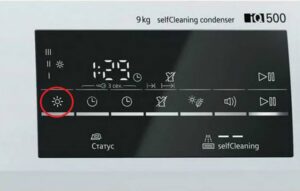
It is impossible to quickly and accurately answer at what temperature a dryer dries clothes. This is due to the fact that each model has dozens of different modes designed for a wide variety of clothes and shoes. Therefore, each operating cycle must be considered separately. We'll list the most common ones found in every dryer.
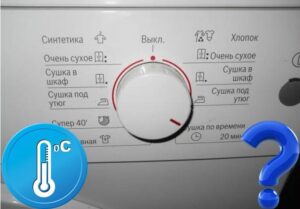
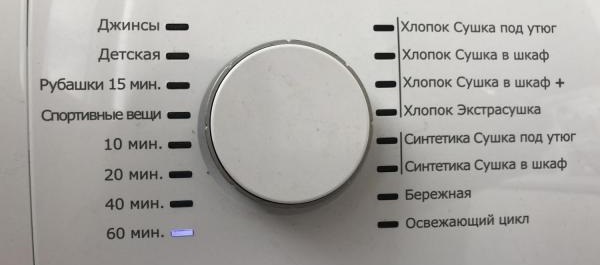
- Cotton. There are several variations of this mode, suitable for ironing clothes and storing them in a dry or very dry condition. This program is designed for cotton garments or cotton items with synthetic blends. The drying temperature, intensity, and cycle duration depend directly on the mode. Typically, items are dried at 60 degrees Celsius, but the temperature can reach up to 70 degrees Celsius.
- Synthetics. Another cycle with different settings: iron, cupboard dry, and very cupboard dry. Suitable for synthetic clothing and items made from blended materials with a high synthetic content. Drying takes place at 40-50 degrees Celsius.
- Sports. This function is designed for treating items made of membranes and other water-repellent fabrics. This gentle cycle features a gradual temperature increase up to 40 degrees Celsius.
- Down clothes. Housewives use this option for drying pillows, duvets, down-filled feather beds, down jackets, and other similar items. As in the previous cycle, the temperature gradually increases throughout the drying process, only in this case it reaches 50 degrees Celsius.
- Delicates. This cycle is for the most delicate items that can be washed in automatic washing machines. This includes satin, synthetics, melange, and other delicate fabrics. This cycle features a gradual increase in temperature to 40 degrees Celsius.
- Wool. This drying function is used for garments made entirely of wool or for items with a small wool content that are machine-safe. The temperature is gradually increased to 40 degrees Celsius.
Never dry items made from different materials together, as some items will always be either wet or over-dried after use.
Our list doesn't include every cycle, but it does include the most essential ones, essential for any dryer. As you can see, this "home helper" handles clothes very carefully, gently washing them at a comfortable temperature.
How much power does a tumble dryer use?
Of course, temperature is directly related to the energy consumption of the dryer. The more intense the work cycle and the higher the drying temperature, the more electricity will be consumed. This is precisely why people often avoid buying tumble dryers, fearing a significant increase in their monthly utility bills. But is the energy consumption of a tumble dryer really that high?
Energy consumption is primarily affected by the machine's design. Stores sell condensing, fan-assisted, and heat pump models, all of which are recommended for energy savings. Let's look at some specific figures.
- Machines that either collect condensate in a dedicated tank or remove excess moisture through a ventilation system consume approximately 5 kilowatts per hour. This figure is based on a standard cycle of laundry washed and spun in a washing machine at 1400 rpm.
- Machines with a heat pump do not get as hot and only use about 2 kilowatts per hour under similar conditions.
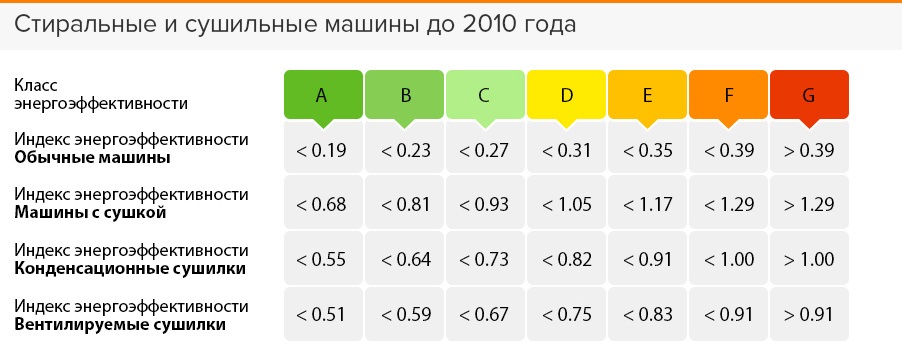
The data provided is for illustrative purposes only, as precise information is only available for specific equipment. Energy consumption varies significantly depending on the model and brand, so we'll focus on specific machines that are popular on the Russian market.
- The Bosch WTM83261OE freestanding condensation dryer boasts high performance, drying up to 8 kilograms of wet laundry at a time. At the same time, for its type and capacity, it has a relatively low energy consumption: 4.63 kilowatts per hour and 2.61 during a half-load. It boasts an energy efficiency rating of B, typical for condensation dryers, but an unexpected advantage is its incredibly quiet operation—just 53 decibels.
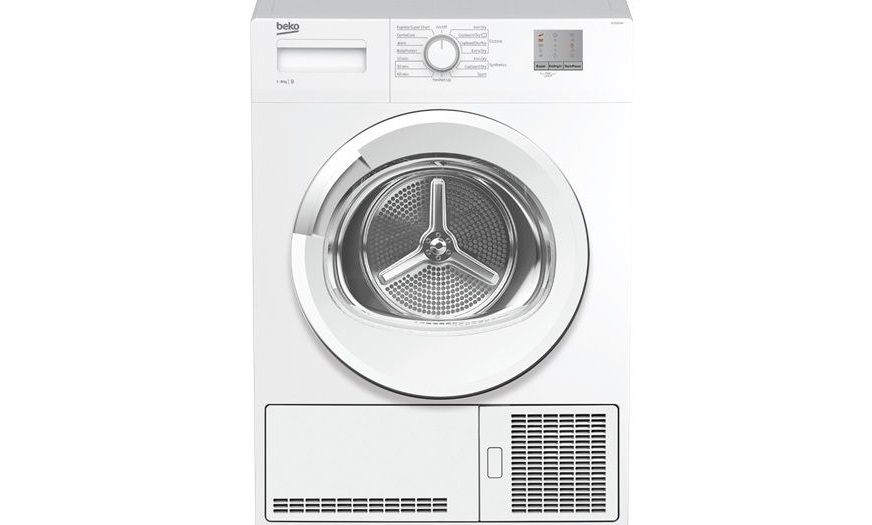
- Another freestanding "home helper" is the Beko DU 7111 GAW, a condenser with an energy rating of B, but with a more pleasant consumption of 3.92 kilowatts per hour for a full load, including the "Cotton and Cupboard" program. The downsides are its higher noise level of 65 decibels and its maximum load capacity, which is a full kilogram smaller than its predecessor.
- The Gorenje DA82IL is equipped with a heat pump, resulting in significantly lower energy consumption than the previous two condensing units. This A++-rated unit consumes only 1.97 kilowatts per hour with a maximum load of 8 kilograms and the "Cupboard" cotton setting selected.
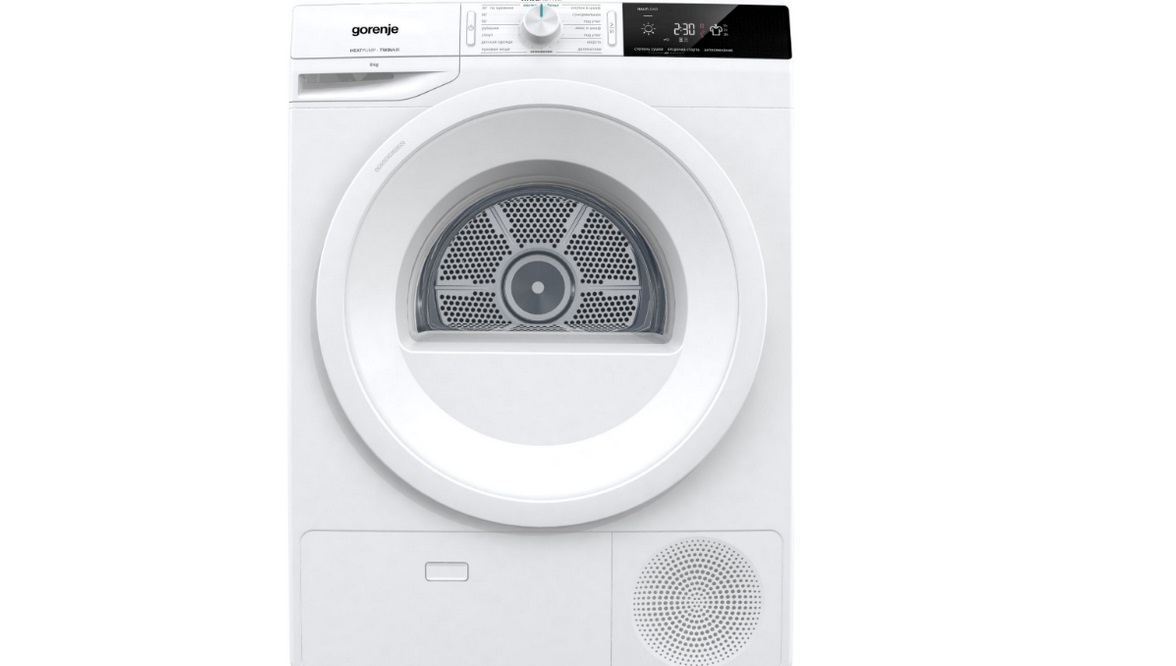
- The Bosch WTW85469OE stand-alone heat pump dryer also boasts an A++ energy efficiency rating. On the classic "Cotton and Cupboard" cycle, it uses only slightly more kilowatt-hours—2.05—but it can hold a whopping 9 kilograms of wet clothes.
- The LG DC90V9V9W, a freestanding dryer with a pump, boasts even more energy efficiency thanks to its A+++ energy rating. With a maximum 9 kg load, it uses only 1.46 kilowatts per hour, and with a half load, it uses only 0.77.
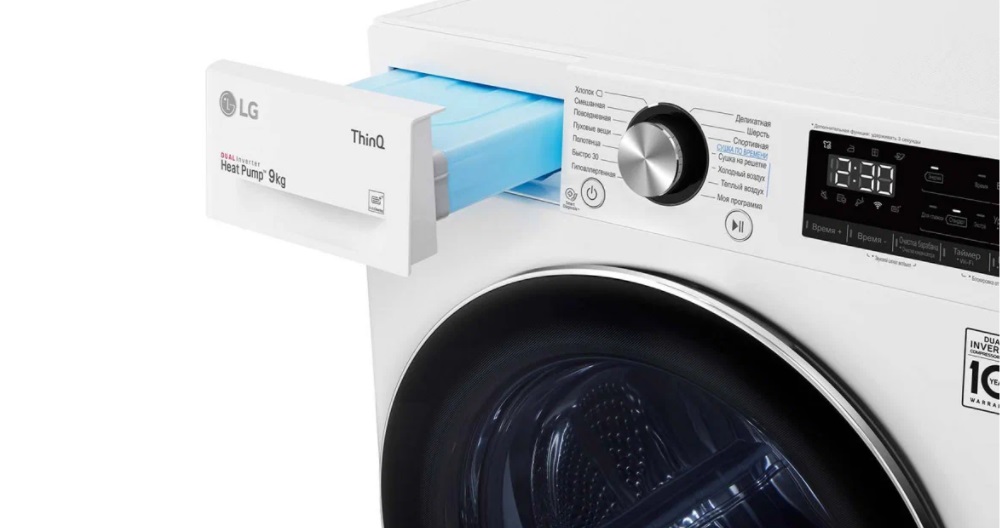
- Another efficient freestanding machine with a Siemens WT47XEH1OE pump, boasting an A+++ energy rating, consumes 1.61 kilowatts per hour with a full 9-kilogram capacity and 0.9 kilowatts per hour with a half-load.
As a result, home appliances with heat pumps sometimes use two or even three times less electricity than condensing and ventilation units. While these appliances are more expensive, they can significantly reduce your utility bills, as some models use less than one kilowatt per hour during drying.
Interesting:

Readers' comments
Headings
Washing machine repair




For buyers




For users


Dishwasher




Add a comment