
What is a heat pump in a dryer?
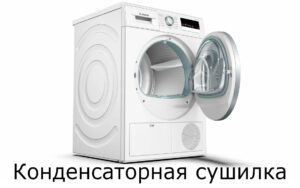
 When purchasing a tumble dryer, users strive to choose the most functional yet energy-efficient model. Condenser dryers, equipped with a pump to heat the air, are in high demand. Not only do they provide the gentlest possible drying of clothes, but they also consume minimal power compared to standard units. Let's explore the key advantages of this type of equipment.
What are the key features of heat pump dryers?
Before discussing the advantages, it's worth understanding how Heat Pump condenser dryers work. The unit draws in air, heats it, and releases it toward the laundry. The heat evaporates excess moisture from the clothes. The heat pump in a dryer is the element required to pump dry, hot air into the working chamber.
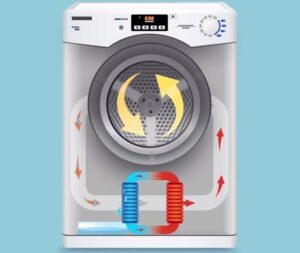
What does a heat pump do? Dryers equipped with such a device draw in air only once. During the cycle, the air circulates inside the machine, constantly cooling and reheating. This helps achieve minimal energy consumption.
The special feature of dryers equipped with a pump is a closed heat exchange system.
Thanks to closed-loop heat exchange, the machine doesn't have to waste energy constantly drawing in outside air and heating it to 40°C. The air simply circulates within the machine, cooling to no more than 30°C. This allows pump dryers to consume minimal kilowatts.
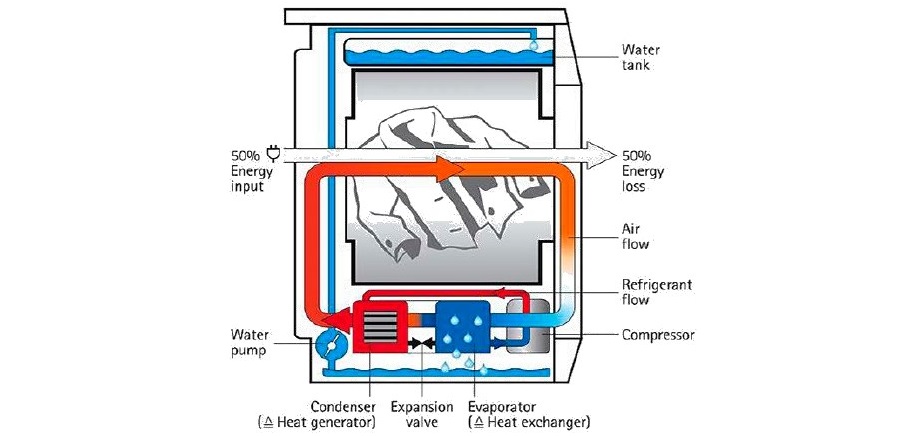
Such condensation type machines consist of the following elements: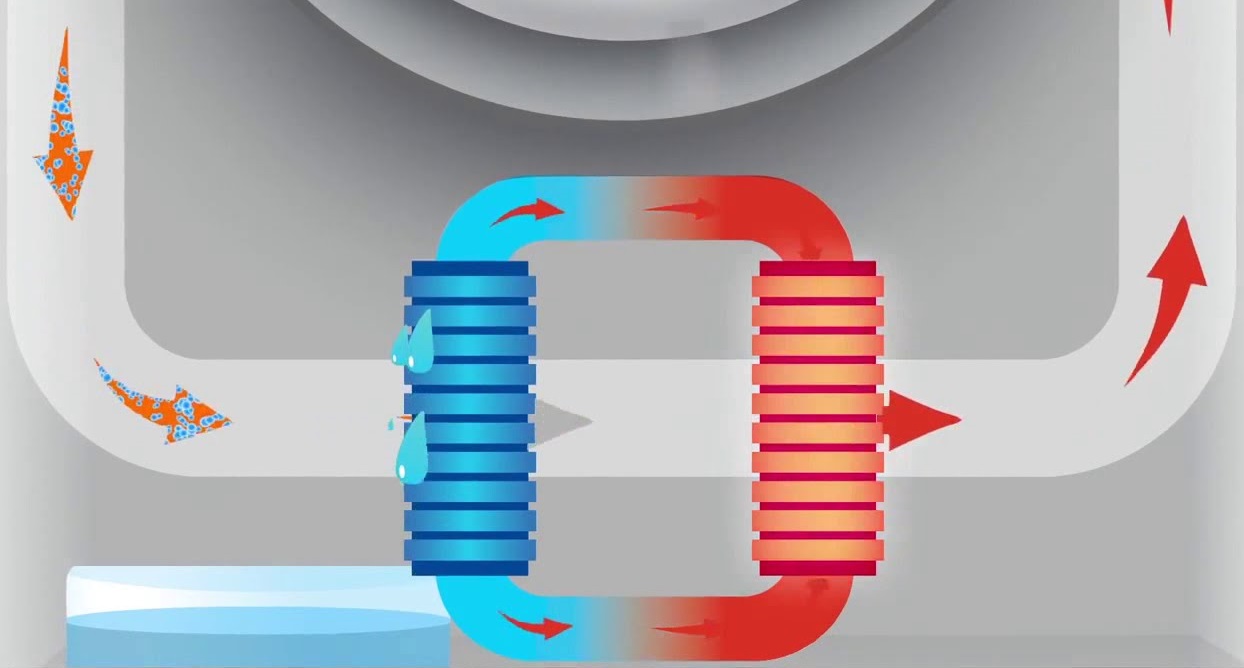
- drum – wet laundry is placed in it;
- engine;
- drive mechanism;
- evaporator with cooling element;
- pump (the element heats the air, already freed from moisture);
- Hair dryer fan – directs hot air flow into the working chamber.
The operating principle of pump-based machines is extremely simple. Let's look at the main stages of this process.
- Air “enters” the system and is heated by the heat pump.
- The fan directs the air flow into the drum, towards the wet laundry.
- As the temperature in the drum rises, moisture evaporates from the fabric.
- “Wet” air is directed to the cooling element in the evaporator.
- The evaporator cools the air masses, and the condensate settles in a container designed for this purpose.
- The "dehydrated" air enters the heat pump.
- The air in the system is reheated.
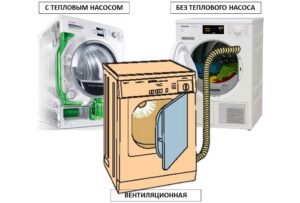
Condensing units don't require connection to the building's utility lines; they can be easily placed in any room. They only require a power outlet, making them very convenient. If desired, they can be connected to a sewer line or ventilation system.
Heat pump dryers are suitable for even delicate fabrics. The air in the system is heated to a maximum of 40°C, ensuring gentle treatment of laundry. However, the program itself takes slightly longer than dryers without a pump.
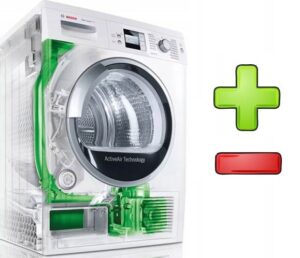
The main advantage of condensation dryers with a heat pump is their high energy efficiency. They consume fewer kilowatts than conventional models. Choosing one will keep your electricity bills low. However, you'll have to pay a premium at purchase—these units cost between ten and fifteen thousand rubles more than similar models without a heat pump.
Operation diagram of a condensation dryer
In addition to advanced modern dryers with a pump, there are more affordable models on the market without a heat pump. These machines also don't require connection to utility lines. All that's needed is access to an electrical outlet.
The design of these machines is quite simple. The dryers consist of:
- a drum where wet laundry is placed;
- motor;
- a drive mechanism that ensures the rotation of the drum;
- heating element - it “brings” the air flow to the desired temperature;
- a fan that “drives” hot air around the working chamber;
- a pump designed to pump out the resulting condensate;
- water collection compartment.
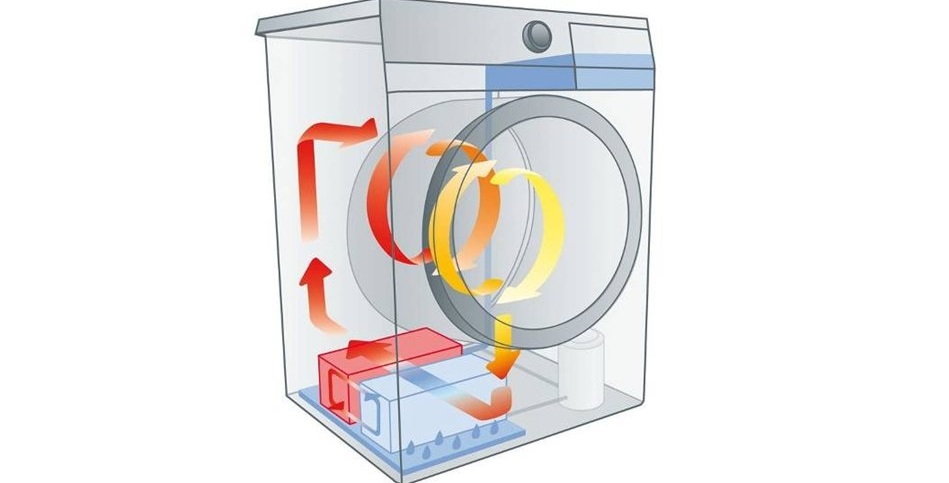
The operating principle of these models differs slightly from that of heat pump machines. The program steps are as follows:
- air is being taken in;
- the heating element “brings” the air flow to the set temperature;
- the hair dryer directs hot air into the drum;
- moisture evaporates from things under the influence of high temperature;
- the pump pumps condensate into a special tray;
- The dryer again takes in air from outside and the algorithm repeats.
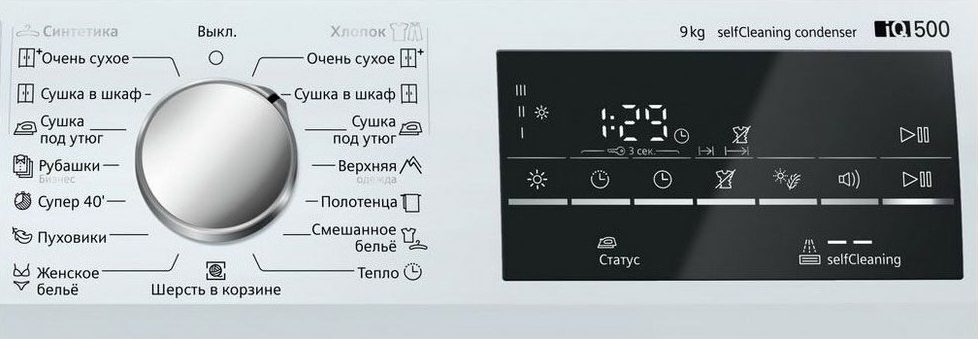
The selection of intelligent modes in condensing machines, both with and without a heat pump, will vary depending on the model. It's best to check the number of programs and options before purchasing. The following features are commonly found:
- delicate drying;
- express drying;
- drying items made from various fabrics: cotton, synthetics, linen, wool, etc.;
- drying to a certain percentage of moisture;
- easy ironing (when this function is activated, items in the drum are practically wrinkle-free);
- launch delay;
- drying shoes, down clothing, etc.
How to maintain equipment? Condensation type machines require minimal maintenance; you only need to periodically drain the water that has accumulated in the container and clean the filter of lint and dust. This will have to be done once every one or two weeks.
A significant disadvantage of machines without a heat pump is high energy consumption.
A dryer draws in and heats air several times per cycle, which affects its kilowatt consumption. Therefore, to save money, it's best to choose more advanced models equipped with a pump.
So what does a heat pump built into a dryer do? It allows the dryer to reuse the existing airflow, cooled to 30°C, rather than refill it with new air. This means the dryer uses less energy on heating and additional air intake.
Interesting:
Readers' comments
Headings
Washing machine repair




For buyers




For users


Dishwasher




Add a comment