
What fabrics shrink when washed?
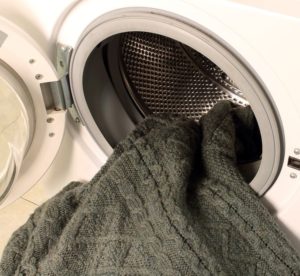
 Almost all fabrics are prone to shrinkage, with some losing more size than others. Natural materials like linen and corduroy shrink significantly, while synthetics, on the other hand, are virtually unaffected by shrinkage. To avoid damaging your clothes, it's important to carefully select the washing cycle, monitoring the water temperature, and spin speed. Let's explore how much different fabrics shrink during washing, and whether it's possible to restore clothes to their original shape after shrinkage.
Why do fabrics become deformed?
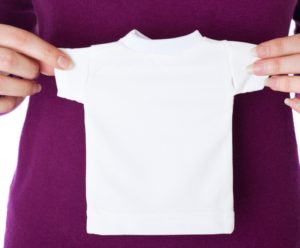
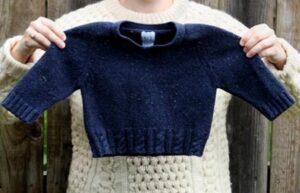
Shrinkage is a change in the dimensions of fabric due to improper washing and drying, or excessive steam or heat treatment. A favorite sweater can easily shrink by a couple of centimeters if you don't follow the care instructions. Clothing labels are there for a reason – they tell you how to properly wash, dry, and iron the item.
So why can any textile shrink at all? The fact is that fabric is formed by interweaving fibers. The material's susceptibility to deformation is influenced by the origin of the fibres and the weaving method. For example, both satin and denim are made from cotton, and these are completely different products, susceptible to “shrinkage” to varying degrees.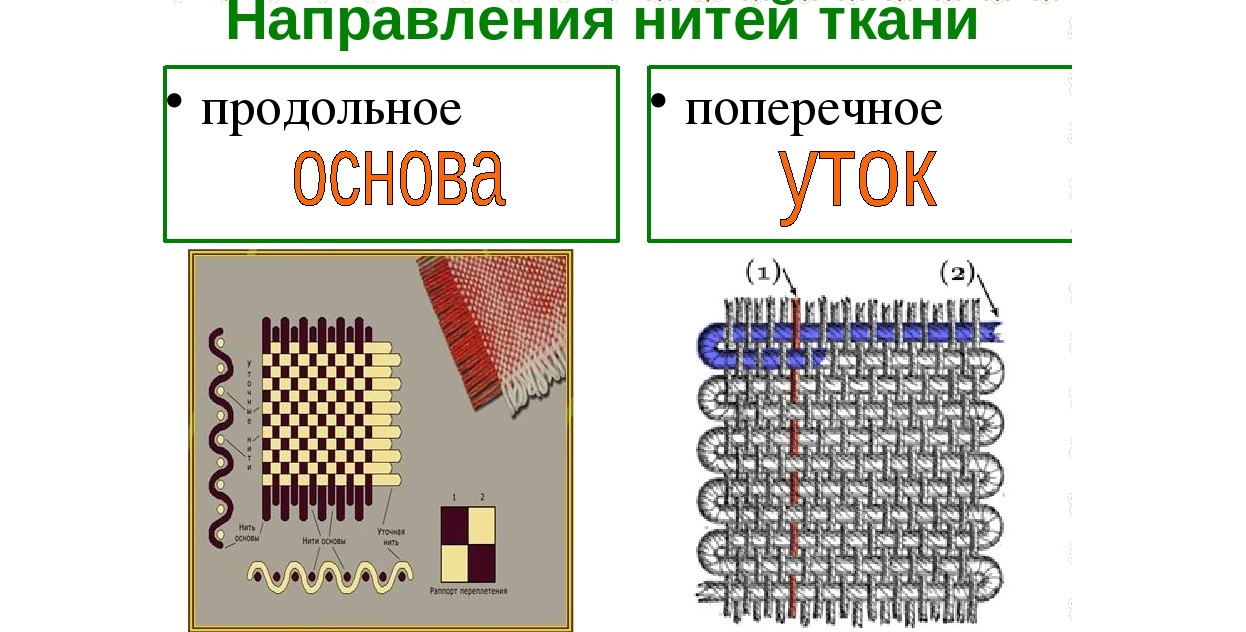
Today, two types of fibers are used in production: synthetic and natural. The former are petroleum-based. Synthetic polymers are virtually incompressible, while organic fibers are a different matter. Natural fabrics are elastic, and their weave is much looser, resulting in greater stretch. This alters the structure of the material, causing the garment to deform.
It is important to follow the manufacturer's recommendations, wash and iron the items according to the rules, and not exceed the maximum permissible temperatures.
How much do different fabrics shrink?
Cotton-based fabrics can shrink by up to 3-5%, depending on the density and weave. Corduroy, fustian, and tartan shrink the most. Chintz, percale, satin, denim, marquisette, poplin, and other cotton-based fabrics shrink slightly less. Linen and blended fabrics shrink up to 6% after washing. The more cotton and linen blends added, the more the fabric can shrink.
Wool can shrink by 1.5-3.5%. These values are typical for both drape and fine woolen materials. Some sources quote higher figures, up to 6%. This shrinkage is also typical for semi-wool fabrics.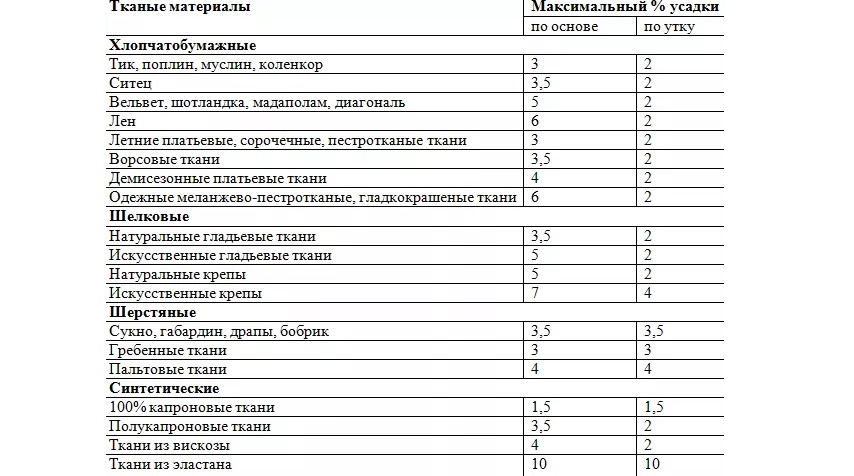
Fabrics made from natural and rayon silk are also subject to shrinkage. For example, organic silk crepe can shrink up to 5% after washing, while rayon can shrink up to 7%. Satin fabrics can shrink 3.5-5% of their original size. Viscose can shrink by 4%, nylon by up to 1.5%, and semi-nylon by up to 3.5%. Lining materials such as interlining, interlining, and other materials can also shrink.
We return items to their original size
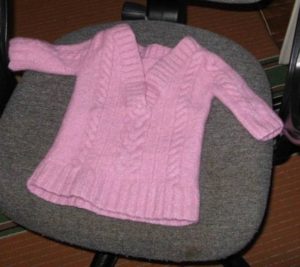
What should you do if an item has changed size? Will you be able to restore your favorite sweater or T-shirt to its original shape, or will you have to throw it out? Stretching the material back is not as difficult as it may seem. Restoring a garment that has shrunk after improper washing will require some time. There are several options, and you can try each one to find the best solution. Let's look at eight ways to restore fabric.
- If a wool garment has shrunk after washing, soak it in ice water for 15 minutes. Then remove the garment, shake it to remove excess water, and lay it flat. Don't twist the wool, as this may further distort the fabric. You can stretch the garment by hand to achieve the desired shape. It's best to periodically adjust the material if it begins to shrink again.
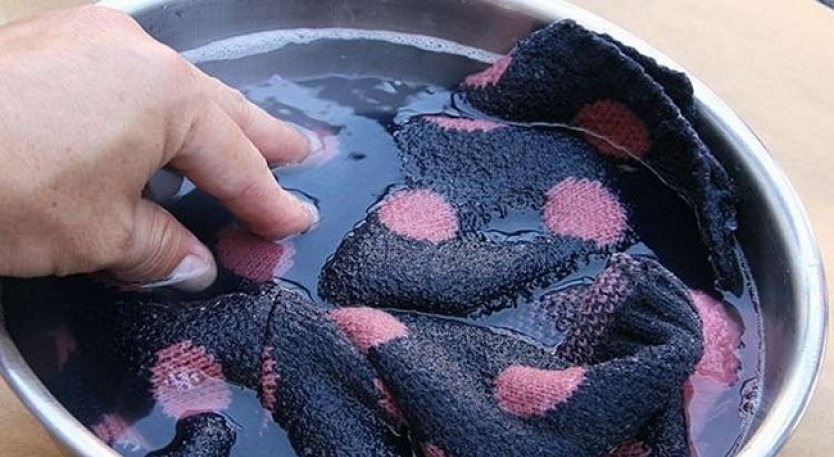
- After a cold water session, you can put your sweater or T-shirt on straight away instead of putting it away to dry. So, if you have the opportunity to walk around in wet clothes, take advantage of it. Then, once dry, the item will fit perfectly.
- A popular tip is to add two to three tablespoons of hydrogen peroxide to water and soak the shrunken item in the resulting solution for a couple of hours. Afterward, don't wring out silk or wool items; simply lay them out on a terry towel to absorb the excess moisture.
- A synthetic or combination sweater (skirt, T-shirt) can also be restored. Place the item in cold water for half an hour, then machine wash on a delicate or hand wash cycle. The water temperature should be no more than 20-30 degrees Celsius. It's also important not to add laundry detergent.
- Cotton items can be easily stretched using a vinegar solution. Take a clean cloth, soak it in vinegar, and wipe the cloth over the fabric. Then hang the garment on a line, allowing weights to be attached to the bottom. This will stretch the material to the desired size.
- Another option is to use vinegar. Pour 3 tablespoons of the acid into a basin with 10 liters of water and mix thoroughly. Soak the items in the basin for 20-25 minutes. Then hang the clothes to dry on the balcony or in a well-ventilated room.
- Silk fabric can be stretched using a high-temperature method rather than a cold one. What to do? Soak the silk in cool water, squeeze it out slightly, and iron it with a hot iron. While ironing, you can stretch the material laterally to the desired dimensions.
- If the manufacturer prohibits ironing, try stretching the garment with steam. Also, soak the garment in cold water first, then steam it.
There are several techniques that can correct the situation and restore items to their original shape. Choose the best method based on the fabric composition and the manufacturer's recommendations and restrictions. However, it's always best to prevent shrinkage by following preventative measures when washing.
Why do decatization?
Many people are unfamiliar with the word "decating." In fact, it's a type of forced shrinkage of the fabric being used for sewing. Before cutting, the material is subjected to wet-heat treatment—an essential quality control step for the future product. Any fabrics that are 50 percent or more made of natural fibers (wool, cotton, linen, hemp, silk) are decated. Tests are carried out under conditions corresponding to the recommendations on the product labels.
All fabrics used for sewing items that are planned to be washed must be decatized.
Decating the material is not done before sewing, for example, a coat. If the item will only be dry cleaned in the future, then simply steaming the fabric with an iron before cutting it out is sufficient.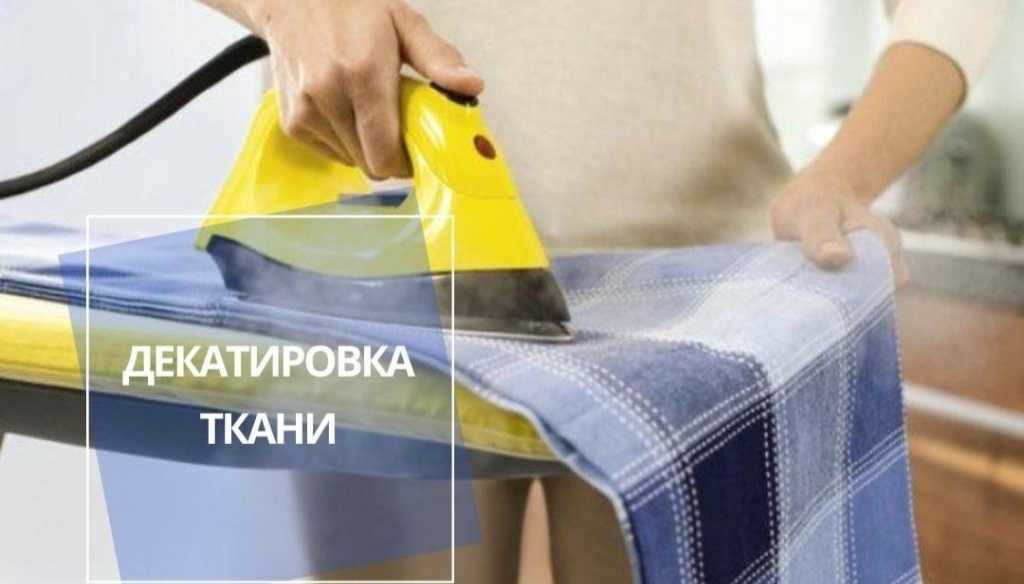
Cotton and linen are soaked, dried, and ironed while still damp. Silk fabrics are treated in the same way, except they are ironed with a lukewarm iron, from the reverse side. Silk, which is prone to fading, is covered with a damp sheet and then ironed. Heavy woolen fabrics are moistened with a spray bottle, then left to rest for 8-10 hours. The fabric is then ironed from the reverse side. Thin woolen fabrics should simply be ironed through a damp sheet.
So, absolutely any item can shrink. To prevent this, it's important to follow the care instructions on the garment's label. If shrinkage does occur, you can correct the situation. Try stretching the item yourself using one of the available methods.
Interesting:
1 reader comment
Add a comment
Headings
Washing machine repair




For buyers




For users


Dishwasher




Thank you! Very useful information.