Removing the shipping bolts on a Candy washing machine
Buying a washing machine is only half the battle. Once it's delivered, you need to properly install it, remove the packaging, connect it to the power lines, and remove the shipping bolts. This last step is often forgotten, leading to premature failure outside of the warranty period. Running a wash cycle without removing the shipping bolts can cause serious mechanical damage. Avoiding an accident is easy: follow the instructions carefully.
Why does the manufacturer use them?
While a refrigerator, stove, or other appliance can be safely transported in a cardboard box with a foam frame, such protection isn't enough for a washing machine. This is due to its special design, which includes a tub-drum assembly. These components are suspended, held in place only by a shaft, springs, and a pair of dampers. This helps the washing machine suppress vibration from centrifugal force during high-speed spin cycles, but it complicates transportation.
The problem is that a suspended tank, when transported over long distances or on rough roads, will bounce like a bobblehead on every bump. The drum will hit the machine body, damaging itself and surrounding components. Shock absorbers won't help in this case.
Transport bolts are a different matter. With their help, the drum is fixed in a stationary position, preventing the tank from touching the body, engine and other components. Thanks to this protection, transporting the washing machine becomes safe.
Transport bolts are essential for safe transportation of the washing machine – they secure the drum, protecting the unit from damage.
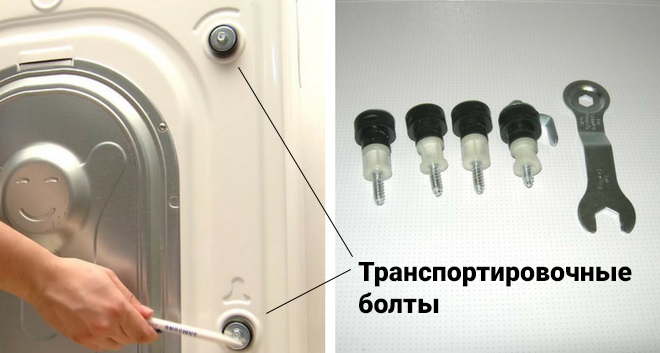
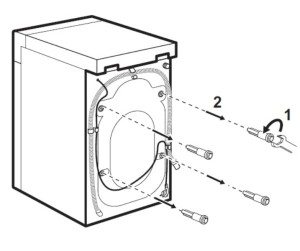
Candy washing machines use standard bolts. These are long screws and consist of three parts: a metal spiral shaft, a rubber washer, and a plastic tip. Only the size of the fasteners varies, the length and diameter of which depend on the washing machine model.
The number of fasteners used also varies. The number of screws depends on the brand of the machine, the dimensions of the machine, and the drum capacity. Typically, 2 to 4 are installed.
We find all the fasteners
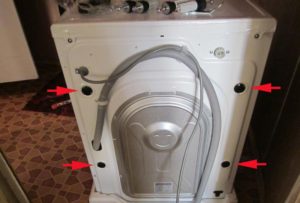
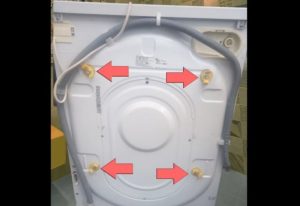
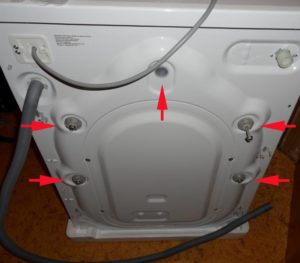
Regardless of the vehicle brand, the shipping bolts are located in specific locations. Their placement is predictable and easy to identify. There are two possible locations:
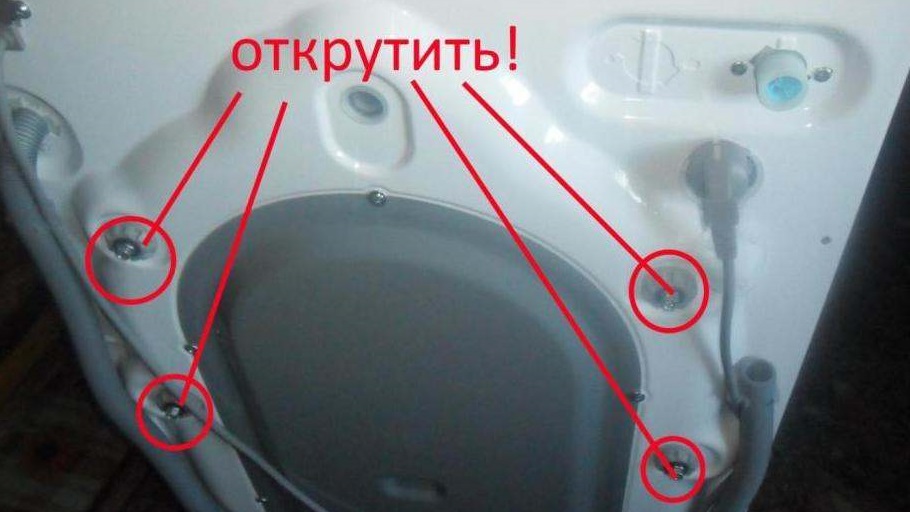
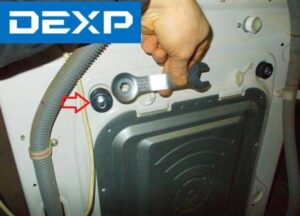
on the rear panel of the body, if the machine is designed for front loading of laundry;
on the top cover or on the back if the machine is of the vertical type.
In the instructions, the manufacturer specifies the number and location of transport bolts, as well as the rules and procedure for their removal.
Typically, the mounting bolts are screwed into the rear sides of the case. However, there's no need to guess—it's much easier and quicker to find the location of the fasteners in the manufacturer's instructions. In a dedicated section, the manufacturer specifies the number and location of the screws, as well as a step-by-step procedure for removing them, complete with visual examples and explanations.
Removing fasteners
So, your washing machine has been safely delivered to your home. But that doesn't mean you should immediately remove the shipping bolts, much less start washing. First, let the machine rest for 2-4 hours at room temperature, while you carefully read the instructions and prepare for the next steps.
Now we begin to "install" the washing machine. Carefully remove the factory stickers from the housing and connect it to the utilities. Only then should we begin removing the shipping bolts. Follow these steps:
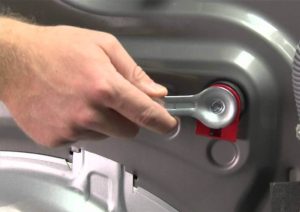
find the special key that comes with the equipment (if you don’t have one, use a 12 mm socket or pliers);
we grab the bolts one by one and loosen them by unscrewing them by 3-4 cm;
we push each rod deep until it stops (usually 2-2.5 cm is enough);
we take out the rubber gaskets and remove the plastic tip;
We plug the holes in the case with special plastic “plugs”, pushing them until they click (they are also included in the Candy kit);
The Candy washing machine comes with a special key and plugs for removing the transport bolts.
After dismantling, transport screws do not need to be thrown away. It is more rational to leave the bolts in a safe place and store them together with the instructions, warranty card and other technical papers. All this will be useful when reselling the appliance or during subsequent transportation. Remember that transporting washing machines without securing the drum is strongly discouraged, as this can be dangerous for the machine.
What is the danger of wringing with bolts?
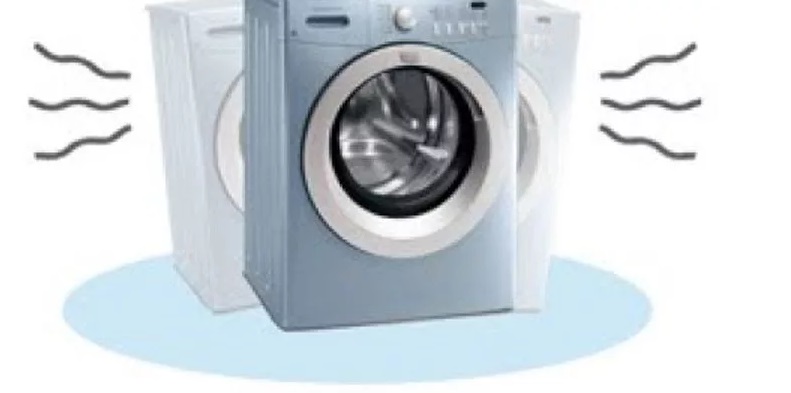
Do not operate a washing machine with the transport bolts in place. The explanation is simple: when the wash cycle is started, the motor will accelerate and attempt to spin the immobilized drum. The shock absorbers and springs will absorb the initial impact, followed by the shaft seizing, damaging the bearings, and then the cylinder will begin to slam into the housing walls and adjacent components, damaging everything around it. The longer the washing machine operates under these conditions, the more severe the damage will be, potentially resulting in death.
Despite written warnings in the manual and verbal instructions from salespeople, many people forget to remove the bolts and run the washing machine with the drum still in use. It's important to quickly recognize your mistake and stop the cycle. The machine will warn you of the danger with the following signals:
strong vibration of the body during the first rotation of the drum, especially during rinsing and spinning;
"jumping" around the room;
noise, grinding and rumble.
Running the washing machine with the transport screws removed is not considered a warranty case – the user will have to pay for the repair out of pocket.
If you notice any alarming behavior from your washing machine, you should immediately end the cycle—press "Stop" or unplug the power cord. Then, be sure to contact a service center and have a specialist assess the extent of the damage. In a favorable outcome, you can get away with a warning or replacement of shock absorbers; in the worst case, you will have to buy a new automatic transmission. You shouldn't count on free service, as this breakdown is not covered by the warranty.
We're planning a move and the bolts are missing.
Ideally, the washing machine is transported only with the shipping bolts. If the fasteners are lost before moving, there's no point in buying other fasteners—the Candy washing machine comes with rods specifically designed for this model. Replacing them with third-party ones is impossible; it's better to secure the appliance using other methods.
Safe transportation of the washing machine should proceed as follows:
only horizontally, with the powder receptacle facing down (standing up will loosen the tank and shock absorbers, and placing it with the hatch facing up risks moisture getting on the electronics);
after emptying the washing machine through the emergency drain;
the drum is filled with clothes, paper or foam rubber;
The machine body is covered with a blanket or a foam frame.
Transporting a washing machine without bolts is very risky. It's best to contact a service center, which often offers safe transportation services for washing machines.

 Buying a washing machine is only half the battle. Once it's delivered, you need to properly install it, remove the packaging, connect it to the power lines, and remove the shipping bolts. This last step is often forgotten, leading to premature failure outside of the warranty period. Running a wash cycle without removing the shipping bolts can cause serious mechanical damage. Avoiding an accident is easy: follow the instructions carefully.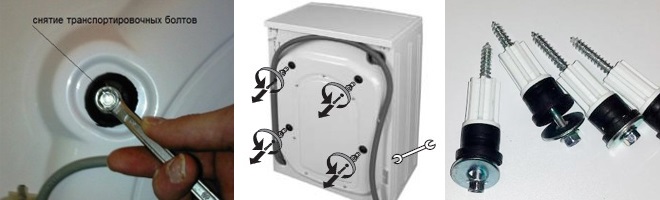















Add a comment