
Removing the shipping bolts on a Dexp washing machine
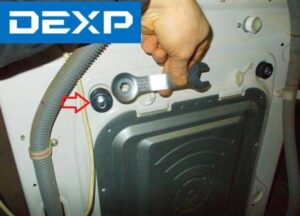 Installing a brand new washing machine is easy if you follow the instructions carefully, not skipping any key installation steps. It's crucial to remember to remove the shipping bolts on your Dexp washing machine before the first wash. These fasteners are installed to ensure safe delivery of the machine without damaging its internal components. However, if you start a cycle with them in place, the bolts holding the drum in place can cause excessive vibration, which can seriously damage the washing machine's tank. We'll explore these and many other aspects of preparing your appliance for use in detail.
Where to look for these screws?
Even for an untrained person, removing the retainers takes no more than ten minutes, so there is no need to be afraid of this procedure. First, you need to find the fasteners, which can be placed in different places depending on the type of washing machine.
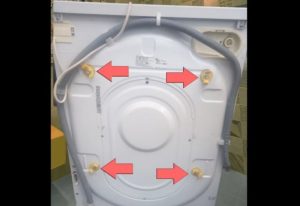
- The rear wall of the appliance. This is where the bolts are located in automatic front-loading washing machines.
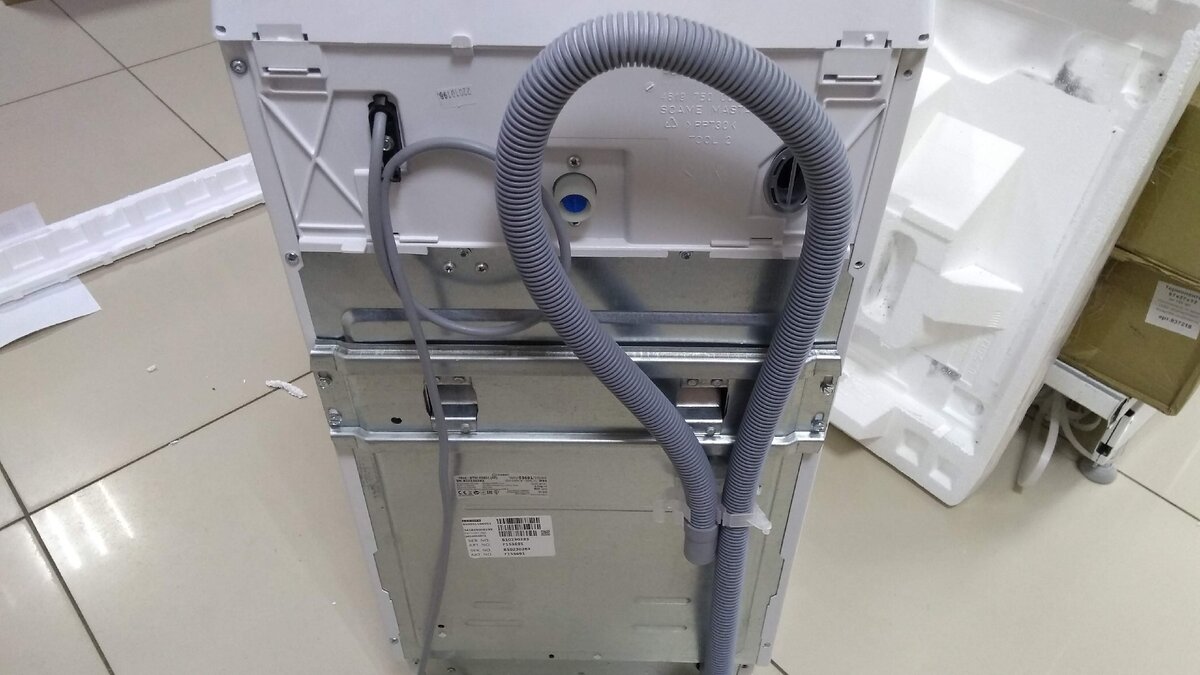
- Top or back wall. This location is relevant for machines with vertical loading of laundry.
If you are unable to locate the fasteners, you can consult the official instructions, which should provide this information in full.
Fasteners are typically installed on the rear of the unit. Dexp products typically have four bolts for transportation, but the number varies by model, so it's best to check the official instructions to double-check. The manual also always includes helpful tips on removing fasteners, which are essential for new washing machine users.
We remove the elements holding the tank
First, you need to wait a few hours for the washing machine to cool to room temperature, which is especially important during the cold season. However, this doesn't mean you can sit back and do nothing for two hours while the appliance "rests" after transportation. During this time, you should ensure that the machine is on a level, stable surface and that all utility connections are prepared, if they haven't already been made. Once this time has passed, get to work.
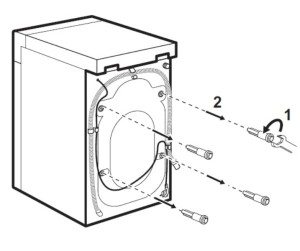
- First, you need to loosen the transport bolts by carefully unscrewing them a few centimeters using the special wrench that comes with the device.
If you forgot to include such a key, or it was not originally included in the kit, you can use regular pliers or a 12-mm wrench.
- Then push the bolts into the housing until they touch a solid surface. Typically, you only need to push the bolts in a couple of centimeters.
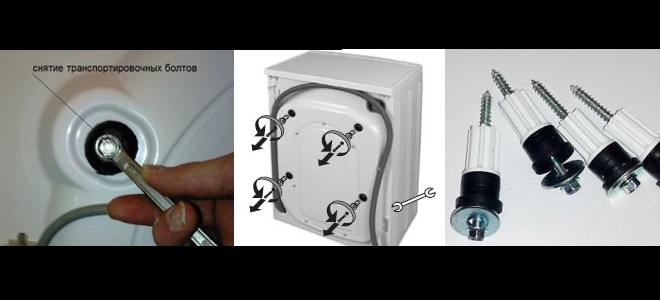
- After this, the attachments will become accessible for removal along with the bolts.
- Insert the special plastic plugs included with the washing machine into the holes that appear. Push them into place until you hear a distinctive click.
Although the tank locks are no longer needed, experts advise keeping them in case the machine needs to be transported due to a move or sale. Even if the appliance only needs to be transported a few kilometers, it's best not to do so without the transport locks, which can protect your "home assistant" from damage along the way.
Turned on the machine without screws
As you can see, removing the retainers really doesn't take much time, so you shouldn't neglect it under any circumstances. Running a washing machine with fasteners immediately voids the store's warranty, as the operating cycle with them causes critical damage to the appliance. This is because the fasteners securely hold the tank, and its dampers are inoperative, unable to dampen the increased vibration caused by the actively rotating drum. Therefore, such a start-up, at best, can lead to costly repairs to the shock absorbers, bearings, and other internal components, and at worst, a complete replacement of the parts or even the entire "home helper."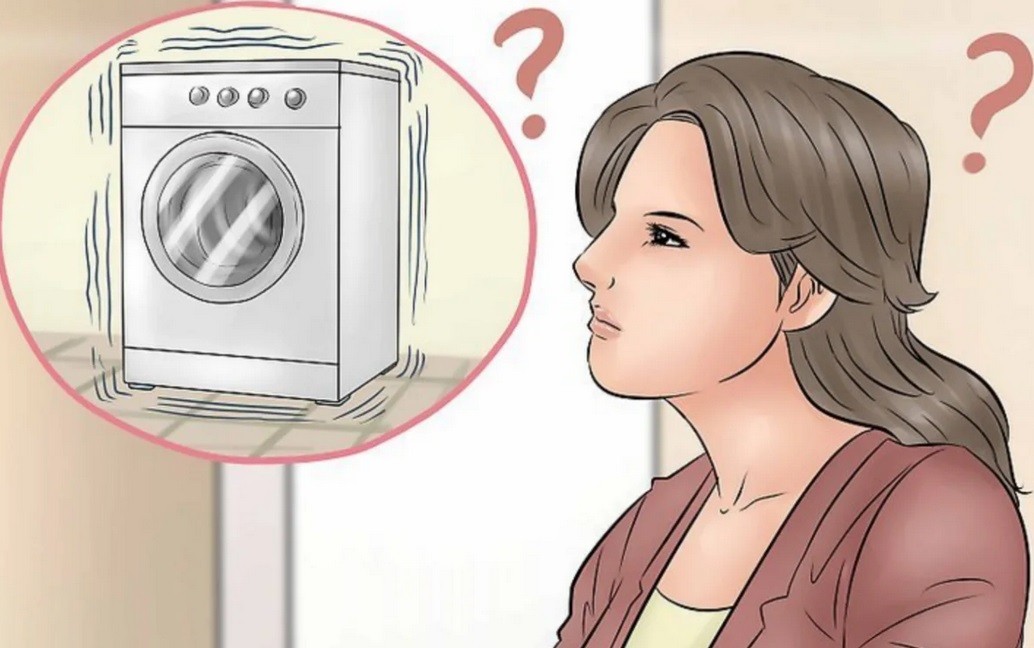
This usually happens because new owners of automatic washing machines are eager to test their purchase as quickly as possible, so they forget about basic safety precautions, leaving the safety locks in place for safe transport. If this happens, the situation will worsen with every minute of delay, so it's always important to carefully monitor the washing machine during the first few cycles. The following signs can help identify the problem:
- excessive vibration of the washing machine, especially during spinning;
- washing machine jumps that can be seen with the naked eye;
- the presence of extraneous grinding, rumbling and other loud uncharacteristic sounds.
If you discover that you've accidentally started washing clothes in a machine with the drum locks still in place, you should immediately stop the cycle to reduce the risk of serious damage to the machine. Be sure to remove the locks and thoroughly inspect the machine for damage. The safest option is to call a repair technician to diagnose the problem and repair it if necessary.
How to properly move equipment without bolts?
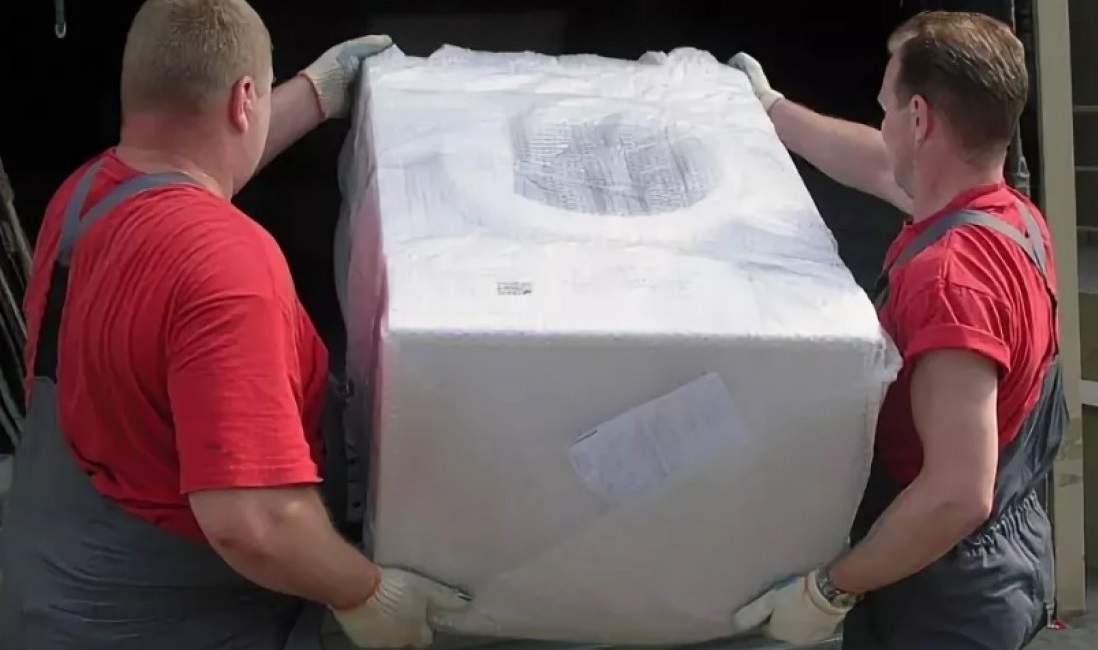
Tank securing bolts aren't the only thing that can protect large appliances that need to be moved. That's why it's best not to throw them away, so you can use them for moving, selling equipment, or in a situation where you need to deliver the machine to a service center. In addition to installing the fasteners, other recommendations should also be followed.
- Place the washing machine horizontally in the machine with the detergent drawer at the bottom. Standing the appliance upright increases the risk of the drum becoming loose and the shock absorbers becoming weakened, especially if the drum locks haven't been replaced.

- Never place a previously used unit with the hatch facing up, as it will always contain waste liquid that could flood all the electronics.
To be on the safe side, drain all water using the appliance's debris filter before transporting.
- It's best to line the drum with thick items, such as blankets and towels, or you can use foam padding to completely block the movement of the unit. To do this, you can remove the top panel of the housing to gain easy access to the drum and surrounding cavities.
- It's safer to entrust the transportation to service center employees, who usually offer this service, allowing the equipment to be delivered safely and securely to its destination.
- Don't try to buy new tank fasteners, as it's very difficult to find identical parts that perfectly match the dimensions and shape of the missing parts. This will only waste your money without ensuring proper protection for your washing machine.
Tub locks help securely transport your washing machine over any distance, ensuring your appliance always arrives in perfect condition. These locks ensure your machine won't be damaged by potholes, speed bumps, or other obstacles. Keep your transport locks close to your receipt and instructions for easy reference when needed.
Interesting:



Readers' comments
Headings
Washing machine repair




For buyers




For users


Dishwasher




Add a comment