Typically, those planning to buy a dryer are those who already own a washing machine and may have experienced transporting and installing it. Since washing machines and dryers have similar designs and their drums rotate in the same way, people often start looking for the transport bolts in the dryer.
Is it worth looking for screws for transportation?
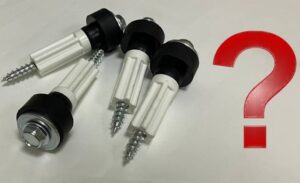
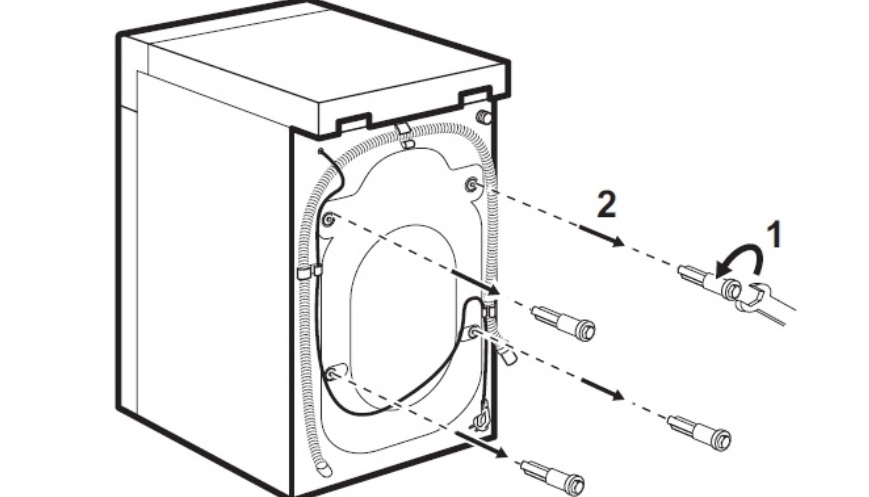
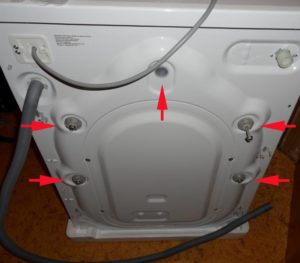
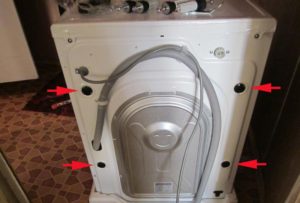
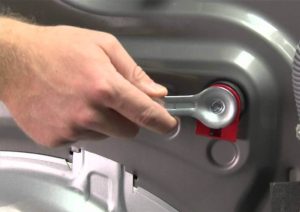
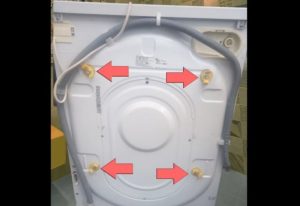
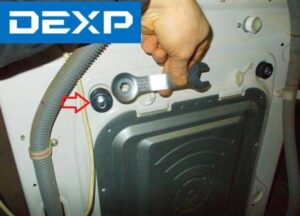
The washing machine is designed with shipping bolts. These are necessary to secure the drum during transport. This prevents the drum from impacting other internal components.
Transporting a washing machine requires the use of shipping bolts. The machine is designed with a spring-loaded tub, and shock absorbers are located at the bottom to dampen vibration. To prevent the tub from bouncing, it must be secured. A logical question arises: is such a system necessary for dryers?
At the moment, manufacturers produce:
cabinets;
drum-type devices.
When transporting drying cabinets, the doors must be securely fastened. Since there are no moving parts, transport bolts are not required.
Tumble dryers are similar in appearance to washing machines, but their design is slightly different. They have no tub, and the drum has no plastic or metal outer shell.
The drum is located on special rollers, ensuring smooth and fast rotation.
A motor is used to drive the drum, which is securely attached to the housing. The metal tank is completely encircled by a drive belt, which holds it firmly to the bottom. During operation and transport, the tank will not wobble or interfere with other internal components. There is no need to secure it with transport bolts.
The dryer's design includes a movable compressor. However, it is securely mounted inside. This component will not move or interfere with other components during transport. There is no need to secure the compressor.
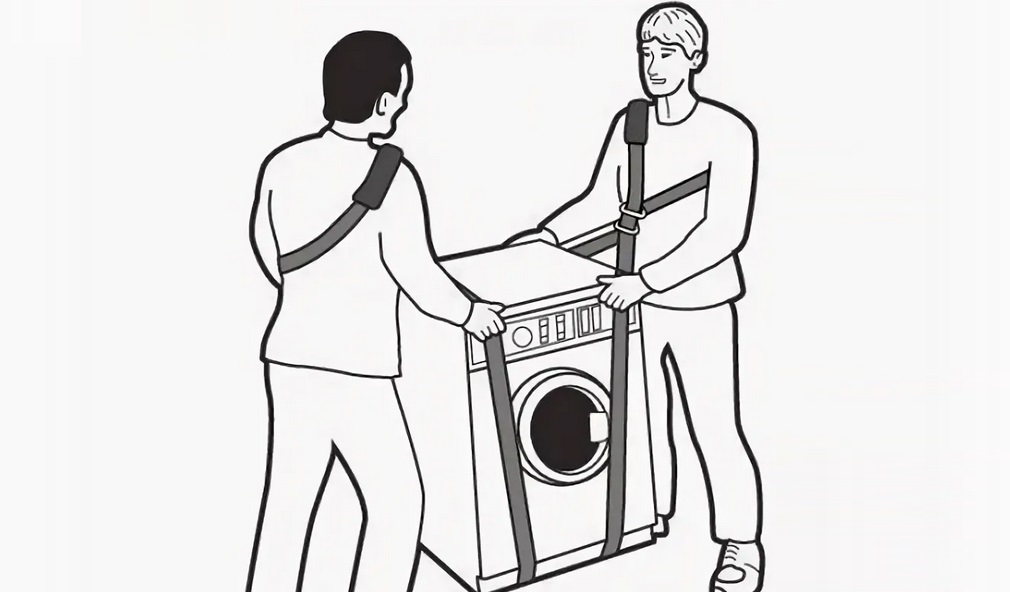
How to properly deliver a tumble dryer
There are recommendations to help maintain the dryer's functionality during transportation. First, ensure it remains in an upright position at all times. The dryer's heavy components are located at the bottom of the unit. These include the motor, compressor, drum, and evaporator. Transporting the dryer sideways will place strain on the clamps, which can cause deformation or displacement of the components.
However, some manufacturers allow dryers to be transported sideways. This should be clearly stated in the instructions, with detailed instructions.
Secondly, you can only transport a perfectly dry tumble dryer. It is necessary to remove any remaining water and thoroughly check the condition of the equipment before transportation. It is especially important to make sure there is no liquid if the temperature outside is below freezing.
Before transportation, experts recommend:
secure the door to prevent it from swinging during transportation;
Secure the power cord to the body. This will help prevent breakage and loss during transportation;
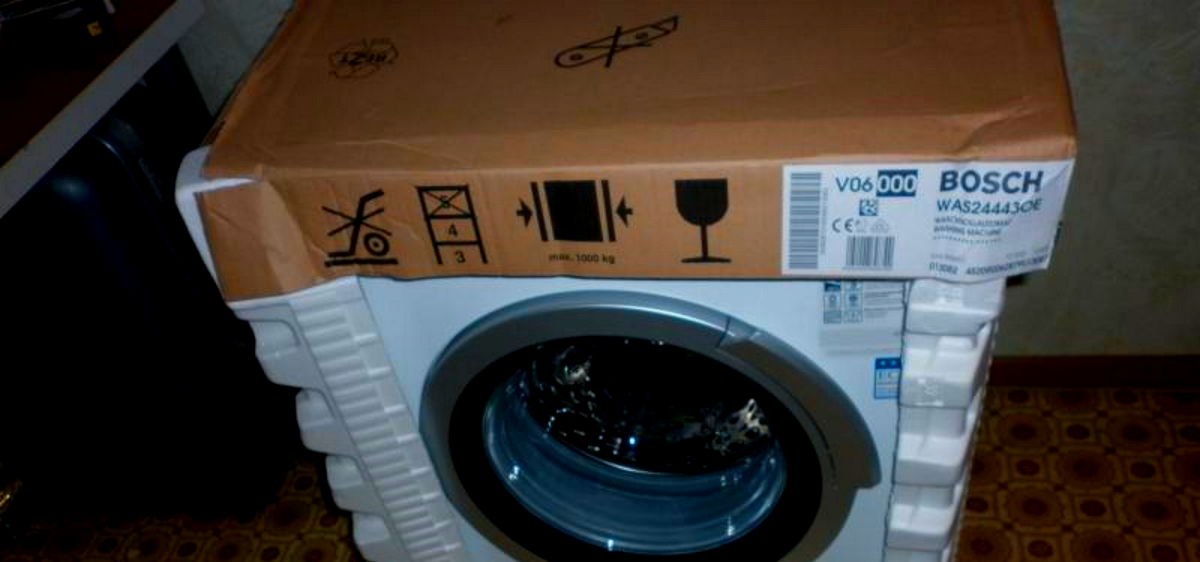
If you have the original box, pack the machine in it. Otherwise, use fabric, film, or cardboard to protect the case from scratches and chips.
When transporting a dryer in the back of a truck, place it as close to the cab as possible and securely fasten it. This area experiences less vibration. Severe vibration can damage components and deform individual parts.
Avoid transporting a car in a semi-horizontal position in a passenger car unless the manufacturer recommends inverting the vehicle. Saving money on freight costs can result in costly repairs.
When bringing the dryer indoors, take precautions. Avoid letting it cling to walls, railings, or doors.
After placing the dryer in the room, wait a while for the unit to warm up to room temperature. Only then can it be connected and used as intended.

 Typically, those planning to buy a dryer are those who already own a washing machine and may have experienced transporting and installing it. Since washing machines and dryers have similar designs and their drums rotate in the same way, people often start looking for the transport bolts in the dryer.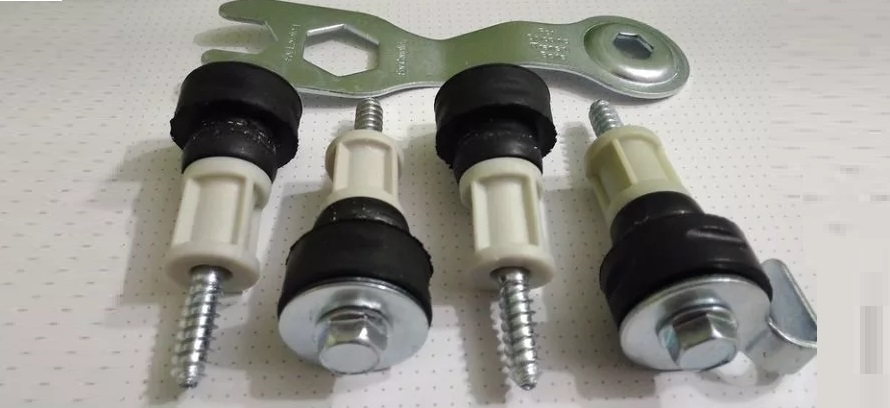















Add a comment