
What is the third load level in a dishwasher?
 Before purchasing a new dishwasher, it's important to carefully study the technical specifications to choose the best model for your needs. But what if you don't fully understand all the specifications? For example, in retail and online stores, you might see the line "third rack in dishwasher." But what does this mean when machines typically only have two racks: one small one for plates and mugs, and one large one for pans, pots, and other items? What is this third rack that's suddenly appeared recently?
What is the third box and what is it for?
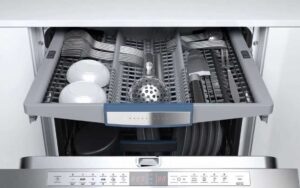
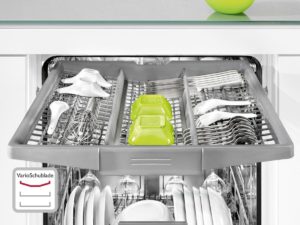
Engineers from major appliance manufacturers have actually managed to perform a "small miracle" and fit a third basket into the washing chamber of some dishwashers. The third level is considered to be a pull-out tray, which is located in the upper section of the dishwasher. It's designed to fit cutlery horizontally within the basket, taking up significantly less space than standard double-tray dishwashers. This rack accommodates not only forks and spoons, but also small tea sets, ladles, whisks, and saucers, which can be conveniently secured to the side racks.
A third rack in a dishwasher opens up new possibilities for washing dishes in your "home helper," as this tray comfortably accommodates even the smallest kitchen appliances. This innovation is most often found in Bosch, Electrolux, and other brands. What are the benefits of a third rack?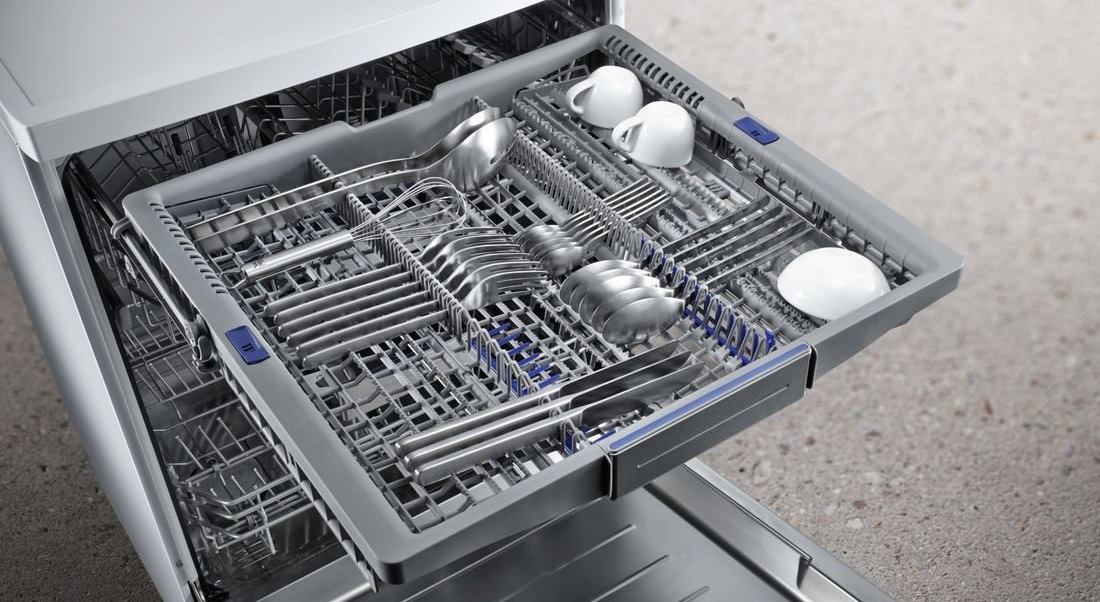
- The top tray is very easy to remove.
- It doesn't take up much space in the PMM.
- If it is not needed, the third drawer, which in Bosch technology is called VarioDrawer and takes up only 5 centimeters in depth, can be pulled out and stored away.
There is also a special version called VarioDrawerPro, equipped with movable elements that allow you to adjust the space as needed, as well as attach cutlery to the box.
- Finally, the RackMatic system, which provides third loading levels in Bosch appliances, allows you to adjust the tray height.
This flexible system allows you to conveniently distribute dirty dishes throughout the dishwasher, intelligently using all the available space in the chamber. By putting small items in the third loading level, you free up the first two for larger items.
Fork/spoon basket vs. top tray
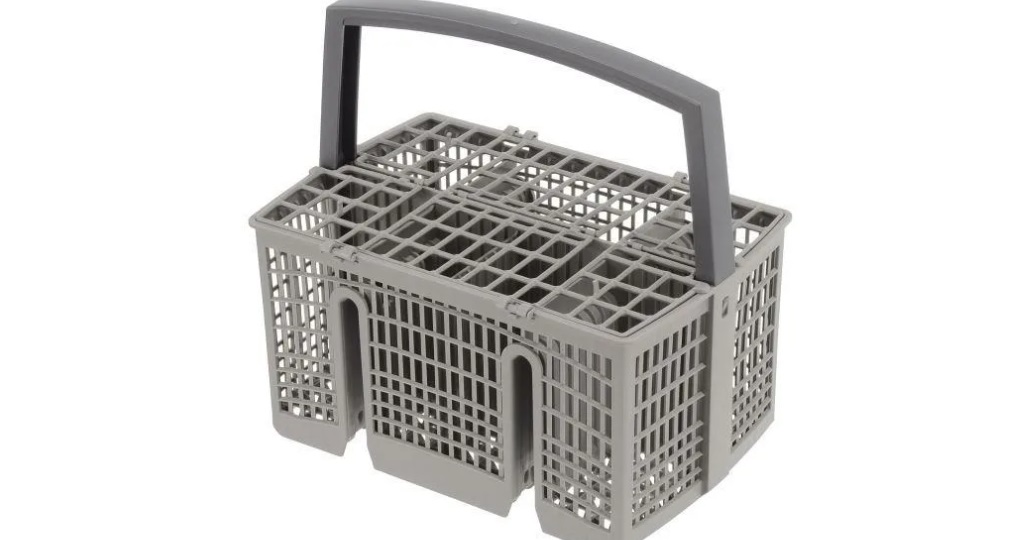
Despite the obvious advantages of using the top tray, housewives often believe that the fork basket from the main tray is better for storing cutlery than the third tier. Experts recommend using the top tray for cutlery, citing the following arguments:
- The third level allows you to load the dishwasher to its maximum capacity. If needed, it can be used for small utensils, leaving the main two trays for larger dishes. If not needed, or if you simply need to wash large dishes, the tray can be completely removed, freeing up space for tall pots.
- The cutlery in the third tray is placed horizontally, allowing the machine to wash them more effectively. Furthermore, the items are kept separate, allowing the machine to rinse them more effectively and dry them faster.
- The pull-out tray is ideal for storing ladles, spatulas, whisks and other cutlery that previously had to be placed in the main baskets.
So it turns out that the third loading level helps to more efficiently use the space not only of the first and second baskets, but also of the entire dishwasher. Small appliances are placed on top, as the machine washes them more thoroughly and dries them faster, while large pans, pots, and other items, which require a lot of free space, are placed below. Machines with a third tray may be more expensive than standard dishwashers, but they allow you to wash dishes more efficiently and in larger batches, which you'll definitely appreciate after a sumptuous feast during a family celebration.
Interesting:


Readers' comments
Headings
Washing machine repair




For buyers




For users


Dishwasher




Add a comment