
How to remove rust from a washing machine
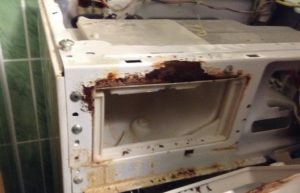 If you need to remove rust from your washing machine, don't hesitate, otherwise the corrosion process will ruin your future washing and clean clothes. Yellow stains, red streaks, and brown stains inside or outside—all of these should prompt a quick response and removal of the corrosive deposits that are corroding the metal casing. But you need to act wisely, otherwise you can easily worsen the situation and permanently damage the machine. To avoid mistakes and unpleasant consequences, it's best to learn in advance what and how to remove any rust you notice. All the details are in this article.
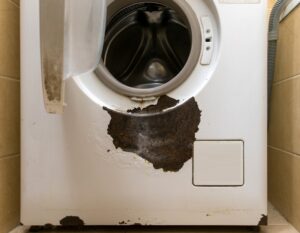
Removing rust from the outside of the body
The easiest way to notice an unpleasant guest from the outside is when rusty stains appear on the outer surfaces of the washing machine. To remove traces of corrosion, it is necessary to remove the corroded layer using toothpaste and a brush.Simply apply the product to the damaged areas, gently scrub them with a bristle brush or sponge, and rinse with water. Next, inspect the "scene" and assess the damage: if the damage is too obvious, consider restoration.
Home restoration involves filling the remaining pits on the body with a special white enamel or zinc primer. These can be purchased at hardware stores, but just make sure to tell the salesperson that you're repairing a washing machine. Then, proceed as follows: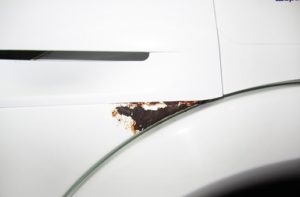
- we seal the space around the area to be restored with masking tape or plastic film;
- We clean off any remaining rust on the body using fine-grain sandpaper;
- remove any remaining metal and other dust with a dry cloth or paper towel;
- we treat the space with a degreasing compound, for example, “NEWTON”;
- shake the can of paint or primer and spray 30-35 cm from the car;
- if necessary, apply a second layer after 20-30 minutes;
- leave for another half hour until completely dry.
Remember to follow safety precautions and wear protective goggles and gloves. Once the paint has dried, remove the film and tape. You can carefully smooth the joint with fine-grit sandpaper.
Removing rust from inside the body
If rust has attacked the drum or other internal surfaces of the washing machine, the instructions for what to do are different. Completely different cleaners are used, such as vinegar or citric acid. These should be applied to the corroded areas, left for 1-2 hours, and then thoroughly scrubbed with a steel wool pad. Another option is to make a paste of baking soda and water, spread it in a layer on the rusted areas, remove with a sponge after half an hour, and rinse with water. Special cleaning agents are also effective, but they must be used strictly according to the dosages specified in the instructions.
Rust inside the machine can only be removed at an early stage: if the drum, spider, or other structural elements are heavily rusted, the only solution is to replace the parts with new ones.
In the fight against corrosion, the main thing is to prevent its spread in a timely manner. To prevent it from progressing, all stains must be treated with anti-corrosion compounds, cleaners, or improvised means such as vinegar, hydrogen peroxide, or citric acid.For severe damage, use baking soda. For smaller parts, another method works: soak the item in Coca-Cola for 5-10 minutes; the phosphorus content of Coca-Cola will quickly remove any unpleasant damage.
Chemistry to the rescue
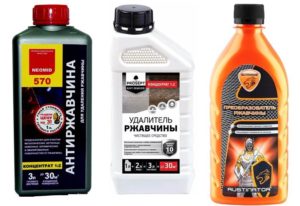 The list of ways to remove rust from a washing machine is long. It can be roughly divided into specialized and homemade products. The former are more effective, but are relatively expensive and require a trip to the hardware store. Here are some examples of commercial products.
- Concentrated "NEOMID 570" against rust.
- Rust remover "PROSEPT RUST REMOVER".
- Rust converter "Eltrans" with zinc.
- Rust neutralizer "YasKhim".
Do not attempt to remove rust using washing powder, as this can easily scratch the machine's body and encourage the growth of bacteria and microbes in the scratches.
Kitchen cleaners that are readily available include baking soda, vinegar, or citric acid. The principle of using these solutions is the same as treating with chemicals: apply to the damaged area, leave for 30-40 minutes, remove the softened layer of rust, and scrub with a sponge and water. For particularly stubborn corrosion, you'll need a wire brush and sandpaper.
How to prevent rust?
If your washing machine has rusted once, it's time to analyze its maintenance and operating conditions. If you don't change anything, there's a high chance the situation will reoccur. The appearance of yellow and brown stains is influenced by:
- High humidity. Many people mistakenly believe that the best place for a washing machine is the bathroom. In fact, a room with humid air and the constant presence of water and steam promotes the formation and spread of rust.
- Bad water. Excessively hard water in the tap also often causes corrosion. Therefore, it is recommended to install filters and use complex softeners.
- Water in the drum. After the cycle is complete, the drum must be dry. Leaving wet items in the drum, not opening the door to ventilate, and forgetting to wipe with a dry cloth can cause rust.
The key to combating moisture is to notice its presence early. Initially, corrosion can be easily dealt with even with baking soda or toothpaste, but in advanced cases, even household chemicals won't help—only complete replacement of the parts will be necessary.
Interesting:

Readers' comments
Headings
Washing machine repair




For buyers




For users


Dishwasher




Add a comment