
How to remove hair from laundry in a washing machine
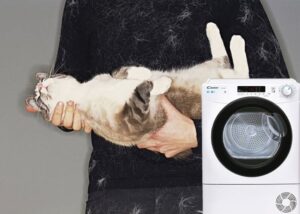 Pet hair, which is ubiquitous, not only ruins the appearance of clothes but can also damage your washing machine if it gets on key components. That's why it's so important to remove pet hair before washing. We'll explain how to remove pet hair properly so your washing machine doesn't get in the way.
Safe automatic cleaning of clothes from wool
Surprisingly, dog and cat hair do not pose a particular danger to modern household appliances if the housewife carefully prepares for the working cycle. While most new washing machines may not have special settings for collecting hair, they do have a variety of other features that you can use to your advantage.
To ensure the machine effectively removes pet hair, clothes should be loosely arranged in the drum. This will ensure thorough cleaning with plenty of water. What should you do to achieve this?
- Reduce your laundry load containing pet hair to about one-third of your normal load.
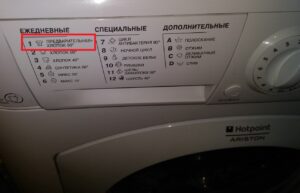
- Activate the extra rinse for wool clothes, or if there is no such function, simply run another rinse cycle immediately after the first one is completed.
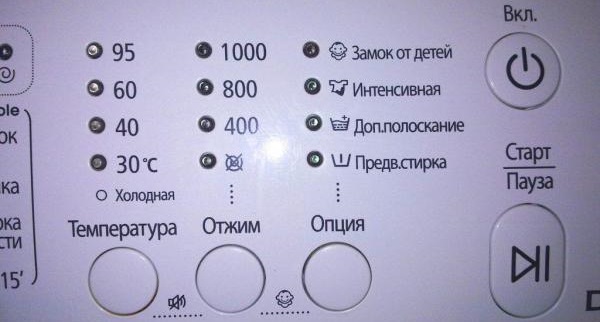
- After the first rinse, remove the items from the machine, straighten them out, shake them out, and then place them back into the drum for a second rinse and spin.
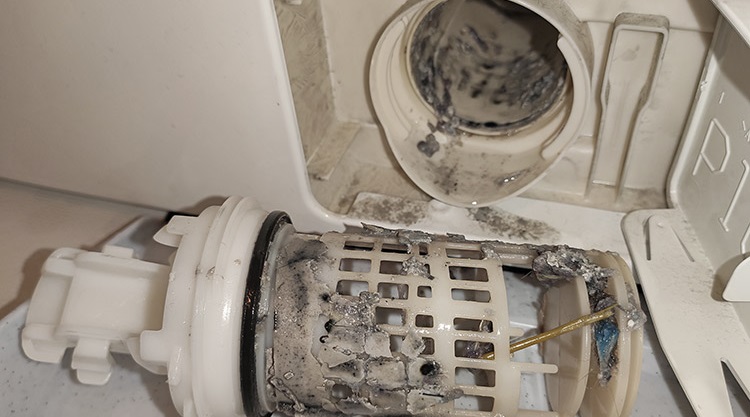
Immediately after washing items containing dog or cat hair, it's essential to remove all debris from the washing machine's filter. This is because all the dirt and hair gets trapped in the filter, where it lingers and impedes the operation of the appliance. You need to find the spiral-shaped plastic attachment that protects the pump from debris and thoroughly clean it. How do you do this?
- Disconnect the washing machine from the power supply, water supply and sewerage system.
- Move the device slightly away from the wall and lean it so that the front legs are raised at least 5-10 centimeters.
- Find the service hatch door that hides the filter - it is usually located on the lower right side of the housing.
- Use a flat-head screwdriver to pry up the access panel, release the plastic clips, and then remove the trim panel itself.
- Be sure to place a basin or bucket under the filter to collect any waste liquid remaining after the operating cycle.
- Remove the emergency drain tube to get rid of any remaining water.
- Carefully remove the filter by turning it counterclockwise.
At this stage, waste liquid may come out of the filter, so do not remove the water container.
- Carefully examine the debris filter and then remove all dirt and debris from it.
- If the part does not wash off, you can leave it in a solution of citric acid and soda for several hours, and then clean it with an old toothbrush.
- Additionally, you need to collect all the debris from the filter seat where dirt may have accumulated.
- Finally, carefully inspect the pump impeller, which can be seen by shining a flashlight into the hole. If hair or fur is stuck to the impeller and the impeller is obstructed, remove the debris with a suitable tool, such as a long wire.
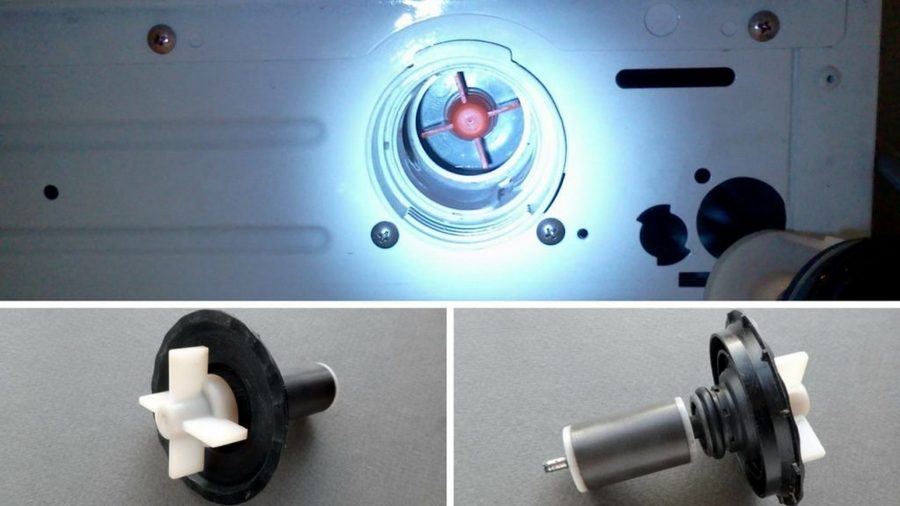
This completes the process of collecting pet hair during washing. Be sure to clean your "home helper" after these cycles and then reassemble according to the instructions in reverse order.
Machine with pet hair removal function
Every day, more and more washing machines with a special mode for removing pet hair appear on the market. For example, this function is implemented in the WKB 61041 PTMSC model from the company Beko.
This machine features a special "Hair Removal" mode, which effectively removes pet hair. If you run a wash with the hair removal option activated, the cycle will be extended with additional soaking and rinsing steps. The machine will use approximately 30 percent more water, which will better remove hair and clean its key components.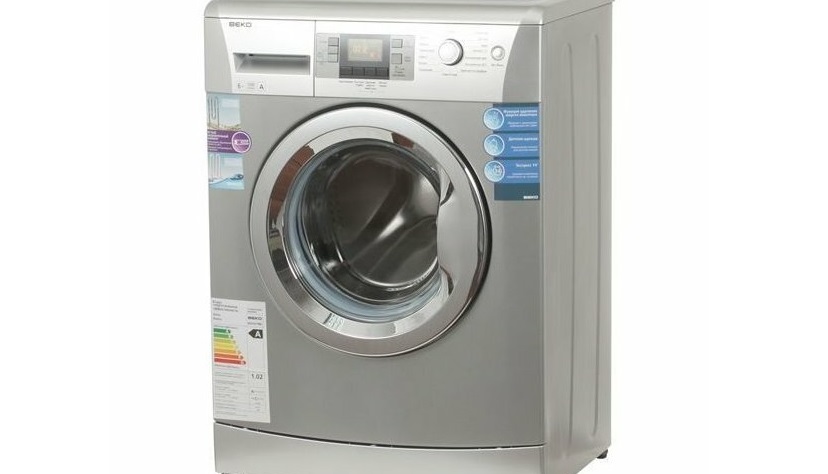
But the special lint-fighting mode isn't the only thing this machine boasts. Its many other advantages are worth highlighting.
- Convenient installation with removable top panel.
- The drum has a decent capacity – you can wash up to 6 kilograms of dirty clothes at a time.
- High quality digital display and electronic control.
- Spin speed up to 1000 rpm.
- 16 different washing modes.
- Delayed start for 24 hours immediately.
In addition to the above features, Beko's "home helper" also offers partial leak protection, a child lock, balance and foam control, a self-cleaning function, and a Hi-Tech heating element with scale protection. Furthermore, the machine will fit perfectly into any interior thanks to its elegant silver color, and its excellent energy efficiency will help you save on your utility bills.
Manual cleaning of items from wool
Dog and cat hair can ruin any washing machine over time, so it's no surprise that many housewives don't risk their expensive appliances and instead try to remove all the lint from their clothes by hand. Of course, this takes a lot of time and effort, but it ensures almost 100% safety for the washing machine.
There are various methods for removing lint from items. There are not only specialized cosmetics that prevent lint buildup, but also various household products that do the same job for less money.
- Antistatic.
- Hairspray.
- Fabric softener.
- Soda.
- Table vinegar.
- Foil.
- Air humidifier.
- Softener.
- Drying balls.
- Roller for cleaning clothes.
All of the above mentioned remedies must be used in different ways, so please read the instructions carefully.
If you're unsure how to use a particular product, we've prepared a quick guide for each. A regular antistatic spray should be sprayed over the entire surface of the garment from a distance of at least 15 centimeters. This will allow the garment to literally repel foreign objects, such as lint, hair, and fur, from its surface. A more expensive alternative is to purchase a special foam for treating clothing.
Standard hairspray works similarly. However, don't use it without first testing, as it can leave visible stains on fabric.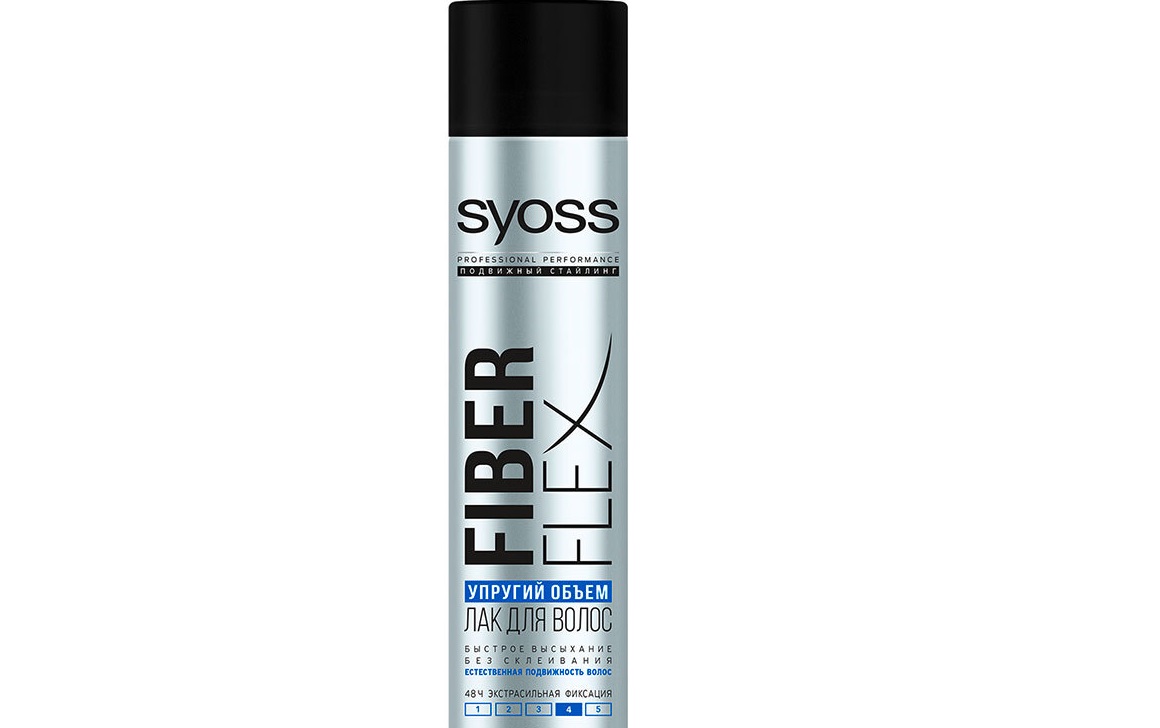
After washing with fabric softener, any item acquires a pleasant, subtle scent and provides light protection against stains. This household chemical also reduces static electricity.
You can also make your own effective lint-resistant solution. Simply mix fabric softener and water in a 1:30 ratio, pour the resulting solution into a spray bottle, and then spray the outer surface of the garment.
As for the baking soda method, simply add 50 grams of the product to the water before starting the washing machine cycle. The baking soda will eliminate unpleasant odors and create a protective layer that prevents static electricity.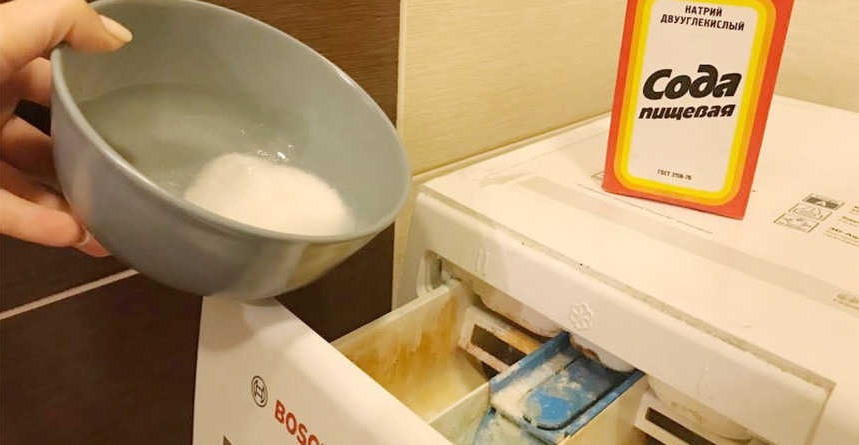
You can also add a quarter cup of table vinegar to the washing machine during the rinse cycle, which will temporarily eliminate the problem of stuck-on hair. To do this, stop the cycle immediately after the wash is complete, pour the vinegar into the drum, and activate the rinse cycle. If your "home helper" has a separate fabric softener compartment, you can add the vinegar there before the wash cycle begins, as this will ensure it automatically enters the drum at the right time. Use only clear vinegar if washing whites, or apple cider vinegar if you want to clean colored clothes. Never add vinegar to a wash containing bleach, as this will cause a chemical reaction.
There are a few other simple tricks, such as adding a small ball of foil to the drum to reduce static electricity. This method should not be used while drying clothes.
It's acceptable to use fabric softeners to help discharge electrical charges. You can also use special dryer balls—they soften laundry and prevent lint from sticking to it.
It's important to remember that wool often sticks to clothes not only due to static electricity but also because the fabric is overdried. This can be prevented by using humidifiers and drying clothes outside.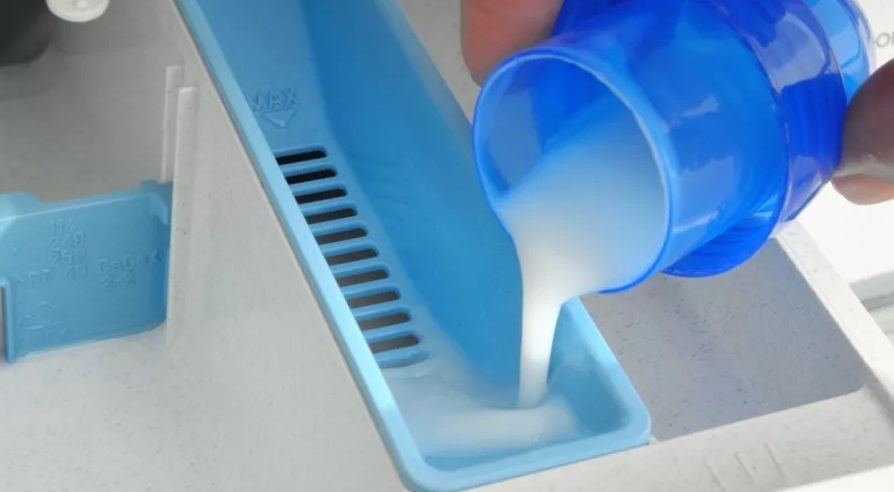
Also, always sort clothes by color, washing whites with whites, blacks with blacks, colors with colors, and so on. Otherwise, particles of different colors will mix, making the clothes look unkempt.
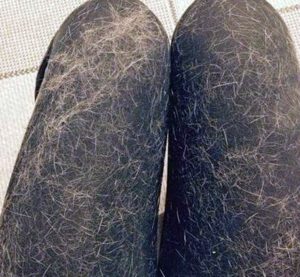
Because pet hair is most often visible on black clothing, such as pants, it's important to choose the right laundry detergent for dark fabrics. Using the wrong detergent can only make the situation worse. That's why it's crucial to always read the instructions thoroughly to choose a detergent that will not only preserve the depth of color but also prevent excessive static buildup.
Experts also point out the high hardness of tap water as a negative factor, so to improve the situation with poor-quality water, it's worth buying a water filter.
If you can't prevent lint from appearing on your clothing, you can always remove it with a special lint roller, which can be found at any store. However, if you don't have a lint roller or other handy tools, you can use regular tape. Simply stick it to the garment and quickly remove it to collect all the lint, fur, and dust. This extremely simple and inexpensive method is suitable for any situation, but if you're dealing with a coat or other large item, you'll need to be patient, as cleaning it will take a long time.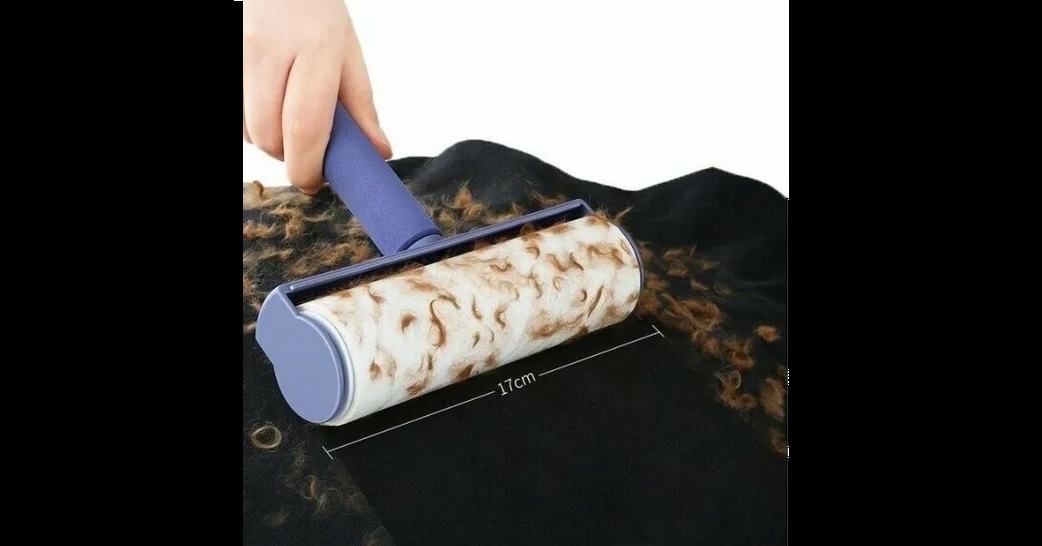
It's worth noting that the amount of hair on clothing items often depends solely on the breed of pet being groomed, as some animals shed more frequently than others. Therefore, if you're concerned about your clothes, it's worth researching this issue before bringing home a pet and choosing a short-haired pet. Alternatively, you can always trim your furry friend, either yourself or with a groomer, which will prevent hair from getting on your clothes.
Interesting:

Readers' comments
Headings
Washing machine repair




For buyers




For users


Dishwasher




Add a comment