When installing a dishwasher, it's always best to use the original hose. If the original part, supplied with the appliance, will fit perfectly, ensuring a secure connection to the water supply. However, after purchasing the appliance, you may discover that the inlet hose isn't long enough, in which case you'll either need to purchase a new, longer one or extend the dishwasher's water inlet hose. The first method is more expensive but more reliable, while the second is often cheaper but much more difficult and dangerous. So how can you overcome this problem and extend the hose?
We are extending the water supply hose
Home appliance owners often resort to dangerous methods of extending the water supply hose, which can lead to leaks. We won't discuss these in this article, focusing on the only reliable option: using factory-installed extensions, which ensure safety.
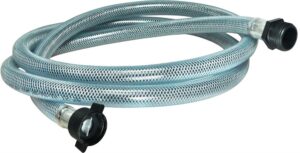
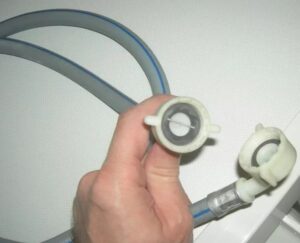
These extension hoses look like regular braided hoses, similar to those used to connect a sink faucet. The only difference is that one end of the extension has a ¾-inch nut, and the other end has a ¾-inch threaded fitting to connect to the plastic nut on the dishwasher hose.
An extension hose for a dishwasher can be found at any plumbing store at an affordable price, so it is not only the safest way to extend the length of the inlet hose, but also the easiest.
To extend the original inlet hose, all you need is an adjustable wrench and FUM tape. Follow our instructions carefully to ensure a secure extension.
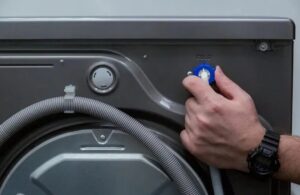
Disconnect the dishwasher from the water supply.
Unscrew the inlet hose from the household appliance, connected to the tee that supplies cold water.
Strip the end of the extension hose that will be connected to the water supply and wrap it with FUM tape.
Screw the extension hose to the tee and secure the nut with an adjustable wrench to prevent leaks.
Now wrap the FUM tape around the second thread and then screw the dishwasher hose to the extension hose. Don't use a wrench to secure the nut now, as this could damage the plastic part of the inlet hose, so screw it on manually.
After completing these steps, open the tee and check for leaks. If no water flows, the extension hose has done its job perfectly. However, this instruction is only relevant if your dishwasher is equipped with a standard hose without the Aquastop system. What should you do if your sleeve has leak protection?
If the hose is leak-proof
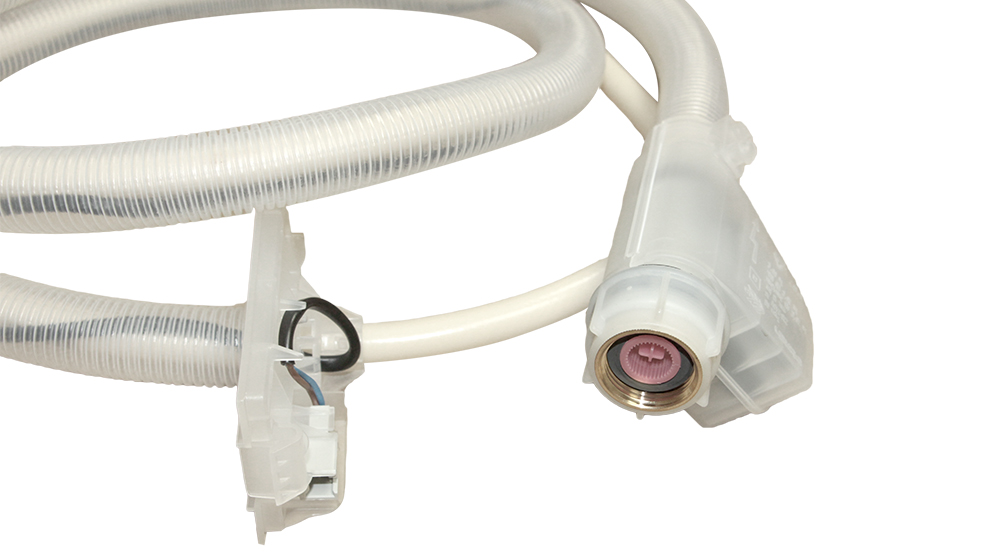
You can use the described method with hoses equipped with Aquastop technology, but the protection will be ineffective. This is because a standard extension hose is incapable of preventing leaks. Furthermore, extending the hose creates an additional connection between the components, which only increases the risk of leaks. Therefore, the only options are to accept the potential risk of a leak in the hose or avoid extending the inlet hose entirely.
Service center technicians recommend that you never extend leak-protected hoses. It is much more reliable and easier to purchase a new hose with Aquastop protection, which will be longer than the previous one. This will be more expensive than purchasing an extension hose, but you will not lose protection from leaks, and in the future, you will definitely not have to pay for replacing the flooring under the dishwasher.

 When installing a dishwasher, it's always best to use the original hose. If the original part, supplied with the appliance, will fit perfectly, ensuring a secure connection to the water supply. However, after purchasing the appliance, you may discover that the inlet hose isn't long enough, in which case you'll either need to purchase a new, longer one or extend the dishwasher's water inlet hose. The first method is more expensive but more reliable, while the second is often cheaper but much more difficult and dangerous. So how can you overcome this problem and extend the hose?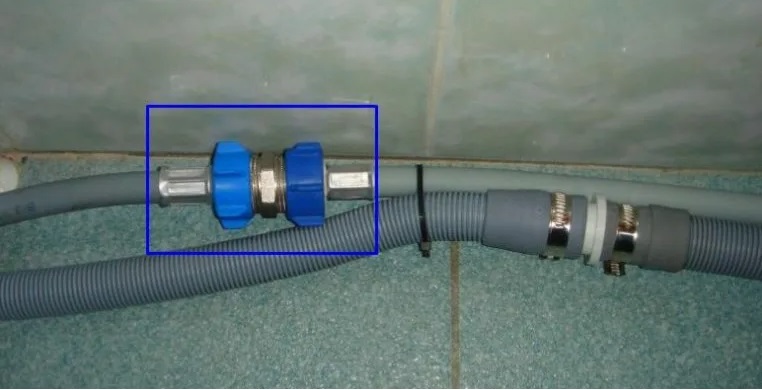















Add a comment