
LG washing machine drain hose extension
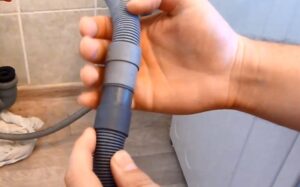 When purchasing a washing machine, almost everyone thinks ahead about where it will be installed. Sometimes, the machine doesn't fit in the designated space, requiring a different installation. The main difficulty users face is the large distance between the appliance and utility lines.
If your washing machine is being moved far from the utility outlets, you'll need to consider how to connect it to the water supply and sewer system. We'll explain how to extend the drain hose on an LG washing machine. We'll also discuss which extension method is the safest.
How will the hose be positioned?
When planning to lengthen a sleeve, you should immediately think about its future location. The drain hose must not be raised higher than 90-100 cm from the floor, otherwise the pump will not be able to pump liquid out of the machine. If you ignore this rule, the pump's power will not be sufficient, and some of the waste water will constantly remain in the tank.
The correct positioning of the drain hose is described in the instructions for the LG automatic machine.
When connecting the machine to the sewer system, it's important to ensure the corrugated hose is sufficiently tensioned. Pay close attention to the highest point of the hose—it should be 60-70 centimeters higher than its lowest point. This rule applies to all washing machines, regardless of manufacturer and model.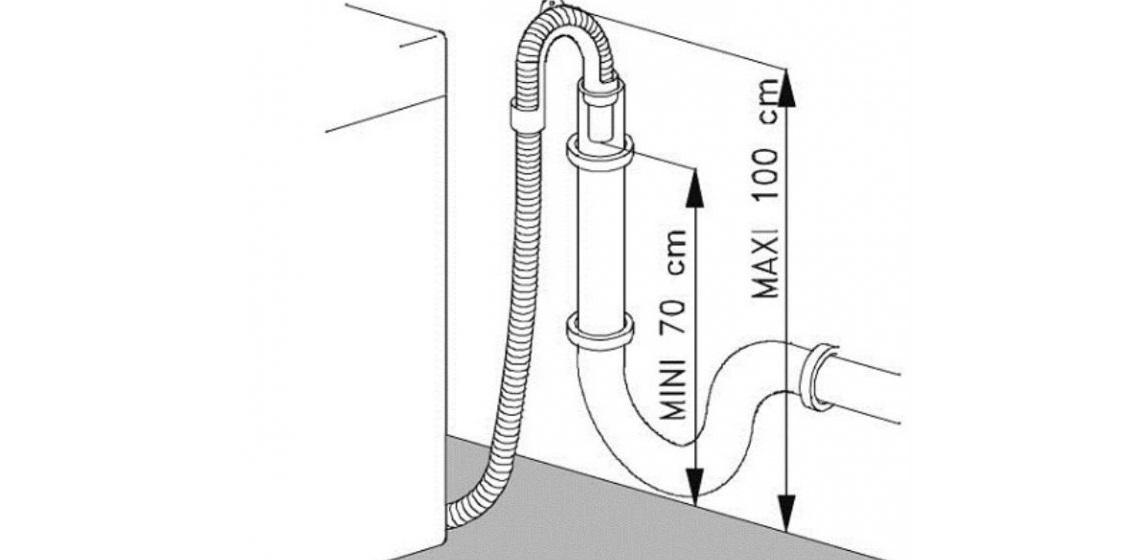
Replacement or extension: which to choose?
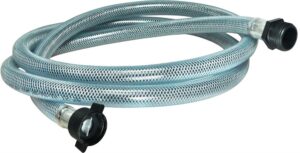
Most washing machines come with a drain hose that's 1.5 meters long, while some models have a full two meters. If your washing machine's hose is even shorter, you don't have to extend it; simply replace it with a new one. LG washing machine spare parts can be purchased at specialized stores or service centers. If you can't find the right part in person, order it online.
It's much more reliable to connect a new, solid, sufficiently long hose to the machine than to add additional parts. This will minimize the risk of hose rupture and leakage.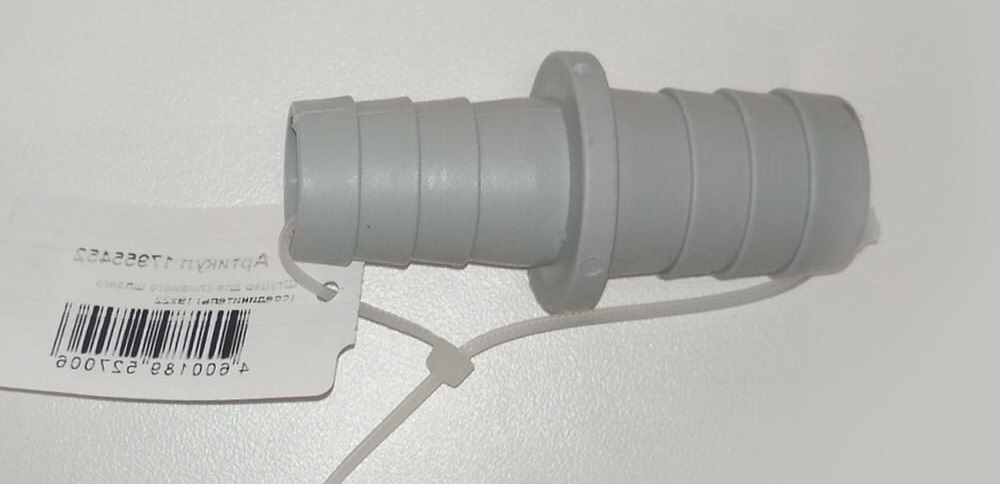
On washing machines without a drain pan, replacing the hose yourself is very simple. Simply tilt the machine slightly, loosen the clamp securing the corrugated hose to the fitting, and detach the hose from the machine. A new, longer drain hose is attached to the same location, and the clamp is securely tightened with a screwdriver and pliers.
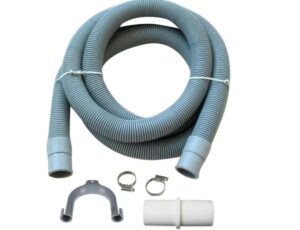
If this option does not suit you, you can connect two drain hoses together to achieve the optimal length. The hoses are connected using a special connector – you can buy this element in plumbing stores; it costs about $0.15–$0.20. Additionally, the structure is secured with clamps. Clamps are not necessary if the connection itself is strong enough. However, it's better to use additional fasteners. This will minimize the risk of the hoses coming loose during drainage.
Let's use the connector
The connector is a plastic tube with a stopper in the middle. The ends of the hoses to be connected are pulled onto the element from both sides. The procedure is as follows:
- Take the free end of the drain hose and place the clamp on it. The clamp should hang freely on the hose;
- Pull this end of the sleeve onto the connector up to the stop so that the corrugated pipe fits as tightly as possible;
- tighten the clamp a couple of centimeters from the stop to secure the connection;
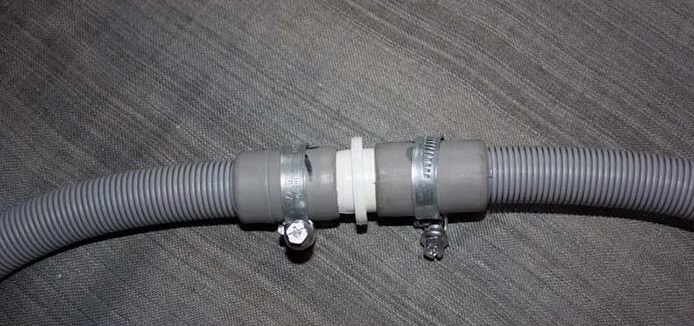
- put the clamp on the second drain hose;
- Insert the end of the connector into the second hose. The corrugated hose should also be stretched to the limiter;
- Secure this connection by tightening the clamp.
Before connecting the extended hose to the trap or sewer pipe, test it.
How do you check the connection for reliability? Point the end of the corrugated hose into the bathtub or sink and run the machine on the "Rinse and Drain" cycle. During the "test" cycle, check for leaks at the joints. If everything is done correctly, there will be no leaks. If you notice water droplets at the joint, disassemble the assembly and reassemble all parts, tightening the clamps. It is advisable to treat the ends of the connector with a special moisture-resistant sealant.
Extending the hose using available tools
If you need to extend your washing machine's drain hose at your dacha and can't afford a special connector, you'll have to substitute something you have on hand. A rubber hose or plastic tube will do the trick. Its diameter should be slightly smaller than the corrugated hose on your washing machine, and its length should be 7-10 cm.
If the tube is thin, you can increase its diameter by wrapping it with electrical tape. It is also better to coat the homemade connector with sealant before inserting it into the drain hoses. This will ensure maximum reliability of the structure.
The rest of the procedure is the same as when using a store-bought connector. Pull one end of the hose onto the tube halfway, securing the joint with a clamp. Do the same with the other corrugated pipe. The key is to tighten the clamps securely to prevent leaks when using the washing machine.
Interesting:
Readers' comments
Headings
Washing machine repair




For buyers




For users


Dishwasher




Add a comment