
Washing Machine Drain Hose Extension - Instructions
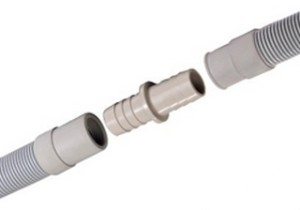 Properly organized drainage of your washing machine will ensure its smooth and high-quality operation. To ensure proper drainage, pay attention to a few key points. To ensure proper drainage, first inspect and measure the washing machine's drain hose. If it's not long enough, you'll need to purchase a drain hose extension.
Additionally, it's worth considering the sewer pipe diameter, which should be at least 4 cm. It's also important to remember the wiring diagram for the unit's motor.
Features of water drainage from a washing machine
Before you begin to consider the issue of connecting the drain of a washing machine, you need to know that water is pumped out of the machine using a pump, and a short drain hose reduces the load during operation.
It's also crucial to correctly position the washing machine drain hose in the drain area. The lower end of the hose, directed into the sewer pipe, should be at least 60 cm and no more than 1 meter from the drain. Of course, if the hose is connected to a trap, the height is irrelevant.
When draining water, it's important to keep one important point in mind: the end of the hose shouldn't touch the water, as this will impede the flow. Failure to take these precautions into account can cause problems with the washing machine. For example, the display may display an error and the cycle may be interrupted.
Methods of connecting the drain
To connect the washing machine drain, you can use one of several options:
- Using a special clamp, secure the hose to the side of the bathtub or to the edge of the sink;
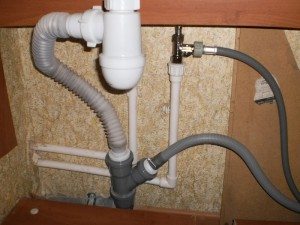
- Install the drainage hose and connect it to the siphon;
- Lay an additional elbow of the drainage pipe.
Any of the above methods is quite simple and doesn't require any special plumbing knowledge or skills. You can easily install any drainage method yourself.
However, it's important to note that the washing machine drain outlet at its highest point should not be higher than 1 m. Only then will the pump be able to fully remove water.
How to extend a hose
 Sometimes, after purchasing a washing machine, we discover that the drain hose isn't long enough. It doesn't reach the right spot. Or, you might decide to move the machine to a new location and find that the existing hose isn't long enough.
What should we do? Should you head to the nearest electronics store, head to the washing machine section, and buy a hose of the required length? However, non-standard hoses, longer than standard ones, are significantly more expensive, and such an acquisition can really cost you a pretty penny. Try to solve this problem yourself. For this purpose, it is necessary to select an extension of the drain hose for the washing machine, a suitable connector, and also prepare clamps.
First, you need to determine how much hose you need to extend. You can use a tape measure or measuring tape to measure the missing distance. Then, you'll need to purchase a plastic connector, a couple of clamps, and one standard-length drain hose. Store shelves are overflowing with a variety of connector types. It's best to choose one with a herringbone pattern on the edges, rather than smooth ones. This will increase the strength and reliability of the connection.
Once you've acquired the necessary materials, you can begin extending the drain hose. First, you'll need to take a connector and use it to connect your washing machine's drain hose to the one you just purchased.
The hose connections to the connector should be secured with clamps. The store may assure you that one clamp will be sufficient, but it's better to be safe than sorry about flooding your neighbors.
When purchasing a washing machine drain hose extension complete with a connector, you will still need to purchase clamps separately, as they are not included in the kit.
This design will serve you for many years to come. With careful selection of all components and meticulous connection, you'll never encounter leaks at the hose connections.
To sum it up
As you can see, installing proper drainage for your washing machine isn't all that difficult, and you can easily do it yourself. If you approach this task responsibly, take the time, and consider all the necessary details, your little helper will serve you reliably for many years.
If you overlook certain precautions and don't properly drain the water, the pump responsible for draining the washing machine may fail. This will not only cause inconvenience due to problems with washing, but also additional time and money spent on repairs. A new pump, plus the cost of a specialist, is quite substantial. It's better to do it right once and avoid future problems.
Interesting:
Readers' comments
Headings
Washing machine repair




For buyers




For users


Dishwasher




Add a comment