
How to care for a Bosch dishwasher?
 Any household appliance requires maintenance to prolong its lifespan. Maintaining a Bosch dishwasher is very simple and takes little time, especially if you follow the instructions. Let's take a closer look at the preventative maintenance steps needed to ensure your dishwasher lasts a long time.
Daily prevention
Daily dishwasher maintenance is essential to prevent leaks due to greasy rubber seals, clogged filters and hoses, and rust and mold growth on the dishwasher's internal components. To do this, simply follow a few basic precautions.
- Machine door. The simplest thing a user can do for their "home helper" is to leave the door open after each cycle. This will allow the water to evaporate more quickly after washing, and prevent mold and an unpleasant musty odor from forming inside the washing chamber.
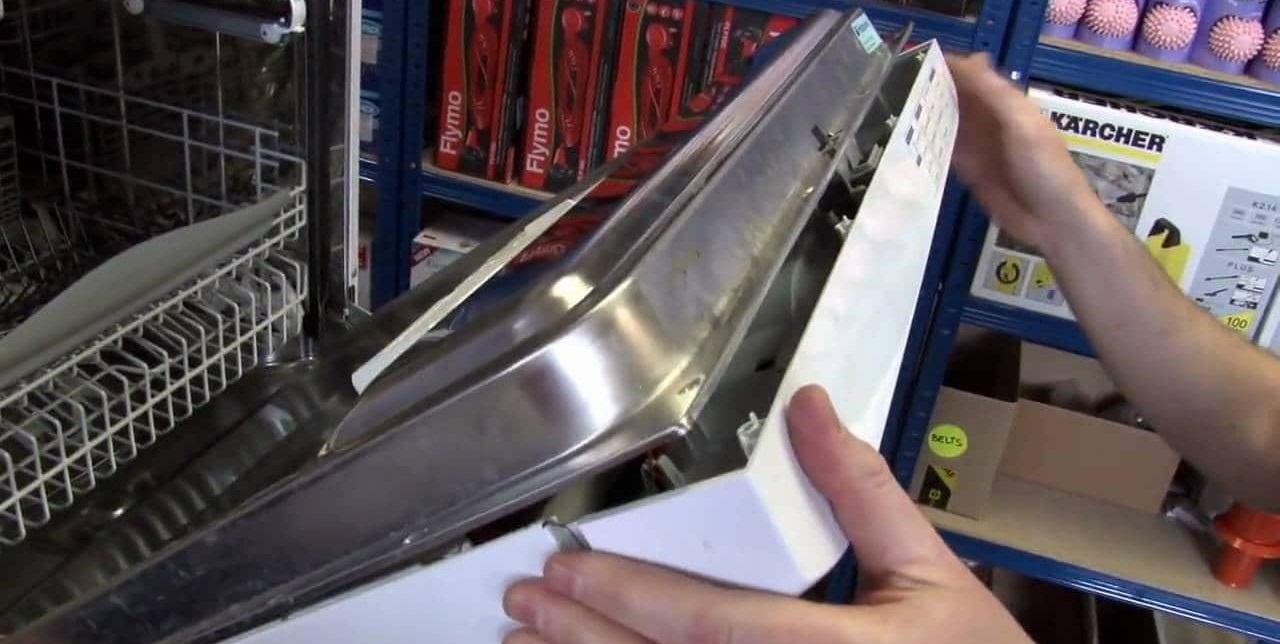
- Rubber seal. After each wash, wipe the rubber part on the door that acts as a seal with a dry cloth or sponge.
- The case. Finally, the last quick step is to clean the dishwasher's case and control panel of dust and water droplets. This will not only make the appliance look better but also prevent dust and moisture from damaging the control panel over time.
Any of these actions takes no more than a minute, so don't be lazy if you want to keep your household appliances in perfect condition.
Once a week
Now let's move on to more complex procedures that should be performed at least once a week. Preventative measures include the following:
- cleaning two dishwasher filters, both drain and fill;
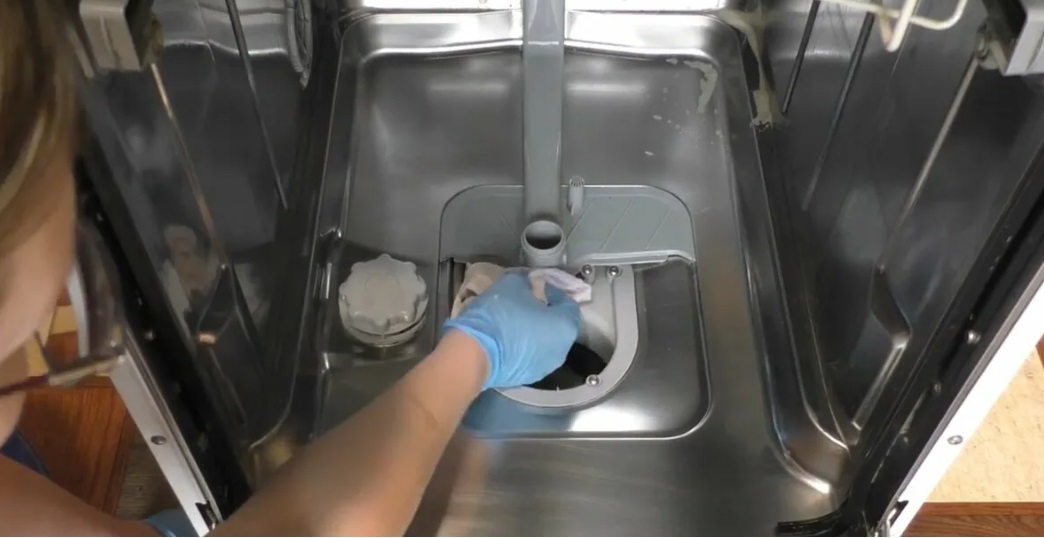
- cleaning all water sprinklers in the washing chamber;
- cleaning the bunker from the inside;
- inspection of all hoses and removal of blockages if they have formed;
- Cleaning the dispenser for household chemicals.
All the described actions can be performed once every two weeks if you do not use household appliances very often, for example, only a few times a week.
Use proven methods
Housewives know that to wash dishes in dishwashers, you need to use special powder, tablets or capsules, and only special salt should be poured into the ion exchanger tank. You can extend the life of your "home assistant" with the help of high-quality household chemicals. Therefore, it is worth buying only proven brands of detergents, and adding only dishwasher salt to the salt container.
Do not use counterfeit detergents or chemicals that have long since expired.
Don't break this rule, as trying to save on cleaning chemicals will only lead to unnecessary repair costs. Bosch appliances and their repairs have become much more expensive these days, so it's best not to experiment with cleaning products.
Complete cleaning once every six months
Experts believe that timely preventative maintenance can extend the lifespan of a dishwasher several times over. This especially applies to the most serious procedures, which should be performed at least every six months. You can perform a full manual cleaning of the dishwasher, or you can use a chemical method. Let's look at the manual method first.
- Open the washing chamber door and remove the filter used to drain the waste liquid. Behind the filter is a small mesh screen that should be removed and rinsed under a strong stream of hot tap water, along with the filter itself. If the dirt is stubborn, try scrubbing it with an old toothbrush or soaking the parts in a citric acid solution.
Depending on the dishwasher model, there may not be a mesh filter in the drain filter.
- Behind the filter and mesh, you'll find the pump impeller, which also needs to be removed. First, remove any moisture from the hole, which can be done with a sponge. Once the water runs out, remove the pump cover by loosening the retaining screws. Inspect the impeller and remove any debris.
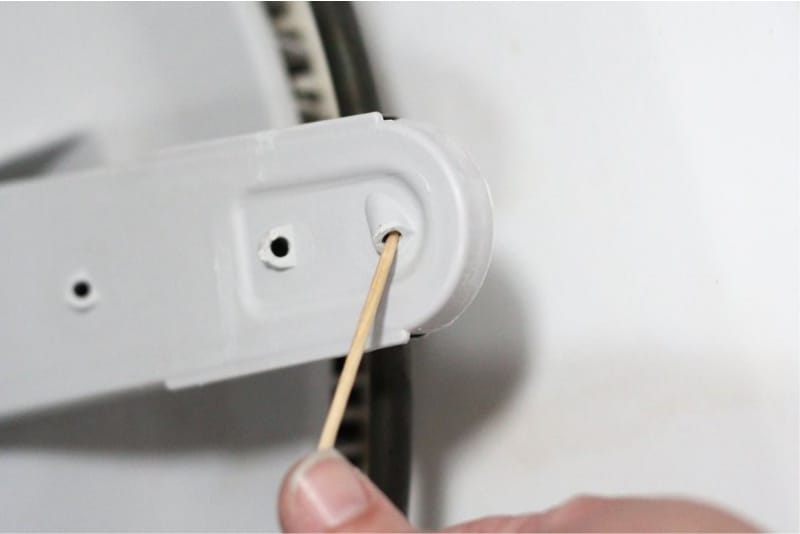
- Now you should remove the spray arms from the wash chamber and clean the nozzles. This can be done using ordinary toothpicks, remembering to secure the result with a strong stream of hot water.
- Next, clean the interior of the dishwasher. Dampen a sponge with detergent and thoroughly wipe down the dish racks, all shelves, holders, and the sides of the bin. The final step in cleaning the dishwasher is cleaning the door and the detergent dispenser.
- There are just a few steps left, one of which is cleaning all the hoses, including the inlet and flow-through filters. The flow-through filter is usually installed near the tee on the pipe.
- The final step is to systematically clean the case with a wet and then dry cloth. The easiest way to do this is with glass cleaner.
These were all the manual cleaning procedures that needed to be performed every six months. It is also recommended to carry out chemical cleaning twice a year, which will help remove the formed scale and mold, and also prevent the occurrence of corrosion. An effective homemade cleaning product will help you carry out this type of cleaning.
- Take two glasses of soda, three large spoons of hydrogen peroxide, and twenty drops of any essential oil you like.
- From these ingredients you need to roll small balls and place them on the bottom shelf of the washing chamber.
- Turn on the dishwasher, set it to a long cycle and let it run.
It is recommended to use detergents containing vinegar as little as possible, as the smell of vinegar is very difficult to completely remove.
It's even better to use a specialized chemical, such as Finish Rinse, rather than a homemade solution. It's especially effective at removing limescale deposits caused by poor-quality tap water. It's very simple to do: add the solution to the compartment and run it for 1.5 hours at a temperature of up to 60 degrees Celsius.
If you notice rust
Rust can appear if you rarely clean your dishwasher, or if you don’t clean it at all. If this happens to the internal components of the dishwasher, you can remove the mold or rust using household chemicals with a bleaching effect. The instructions will be as follows:
- Mix the purchased detergent with water in a ratio of 1 to 10.
- Wash all contaminated elements.

- Remove all plaque using a sponge previously soaked in a 2% ammonia solution.
- Activate the rinse mode in the machine.
Try to use bleaching household chemicals as little as possible, as in large quantities they have a negative effect on the dishwasher, especially if the body is made of stainless steel, which should not come into contact with bleach.
If rust has formed on a metal cutlery basket, you can use a special paint sealant or simply buy a new basket. If rust has damaged the pipes, they will need to be replaced. We recommend installing a water filter in advance if you have poor-quality hard tap water—this will help save money on repairs.
Don't forget to take care of your dishwasher regularly, as this will allow you to always have crystal-clear dishes and not have to worry about repairing your "home helper."
Interesting:




Readers' comments
Headings
Washing machine repair




For buyers




For users


Dishwasher




Add a comment