
How to reduce washing machine cycle time
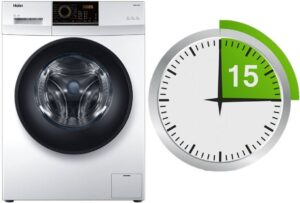 People often complain that their washing machines take too long to wash their clothes. In response, engineers develop extremely short programs, allowing clothes to be washed in just 15 minutes. However, even this short cycle time isn't entirely satisfactory. So, how can washing machine cycle times be reduced without sacrificing quality? Today, we'll explore just that.
Tactics for reducing program time
Answering this question directly is extremely difficult, as modern washing machines feature a wide range of different programs and control algorithms. The washing process itself involves more than just the contact of items, water, and detergent. It consists of several stages, including:
- pre-processing of products (only enabled in certain modes);
- main wash (the longest stage);
- rinsing;
- wringing.
So, we see that washing time depends on many factors. However, the good news is that these factors can always be adjusted. Take, for example, a program like "Cotton." It typically lasts between 1.5 and 3 hours, but if we reduce the washing temperature, the time can be reduced by a significant amount: between 10 and 30 minutes. Everything will depend on the specific temperature you choose.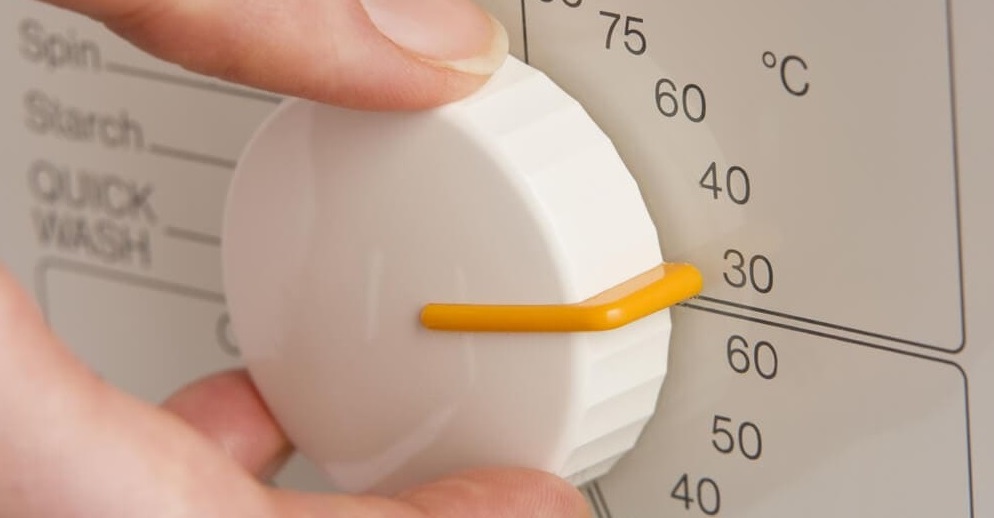
If you remove the prewash, the washing time will decrease even further, by an average of 20 minutes. The spin speed also affects the washing time. By adjusting it from 1200 to 800 rpm, we can shorten the cycle by an additional 10 minutes. If the selected cycle includes an extra rinse, you can also disable it, giving yourself an additional 15 minutes.
Remember: only items that don't contain heavy soiling or stains can be washed in the express wash cycle, otherwise you'll be working against time, not results!
When we add up all these changes, we'll find that the washing process now takes 2 hours or less, rather than the usual 3. And if your chosen program was already short, you can shorten it to a more convenient 40-50 minutes. However, it's worth noting that you shouldn't get carried away with such life hacks: there's always the risk of disabling an important option, which will subsequently lead to poor washing results.
Long wash due to breakage
It's one thing when an automatic washing machine takes a long time to wash because that's how it's programmed, and quite another when it was working properly but soon started to freeze, and the overall process time increased. In this case, it will be necessary to fix the problem, but first you need to find the reason why it could have occurred. As a rule, the main factors include:
- Overload. The washer takes a long time to distribute the laundry, which causes the wash cycle to become longer. The solution is simple: simply remove any excess items from the drum.
- Problems filling the tank with water. The machine's runtime also increases when it takes a long time to fill with water. This usually occurs when the filter or inlet hose is clogged, or when the inlet valve is defective. The valve shutting off the water may not be fully open;
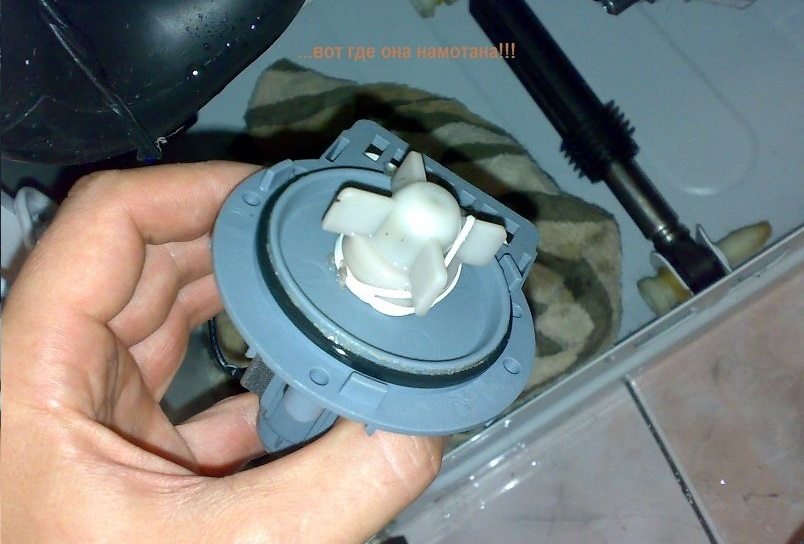
- Long drain time. It takes several minutes to remove waste liquid from the drum. When running a standard cycle, water is drained from the system at least 3-4 times. Therefore, adding another 5-10 minutes to each drain will significantly increase the program run time. Water will have difficulty leaving the drum if the drain hose, debris filter, or pump is clogged;
- Heating element and temperature sensor failure. In this situation, the water will take significantly longer to heat to the required temperature, which, in turn, will increase the program run time. This occurs when too much scale accumulates on the heating element. However, the problem could also be a faulty thermistor, which is not accurately recording the liquid's heating temperature;
- Damage to the main control unit. The main symptom of this type of malfunction is the machine freezing during the wash cycle, after which it restarts the cycle. It's best to have this unit checked by professionals.
As we can see, the list is quite extensive. Before troubleshooting, it's crucial to conduct a thorough diagnosis to get to the root cause. Only then will you be able to determine the exact fault in the system and successfully resolve it.
Interesting:



Readers' comments
Headings
Washing machine repair




For buyers




For users


Dishwasher




Add a comment