
Why is the washing machine noisy?
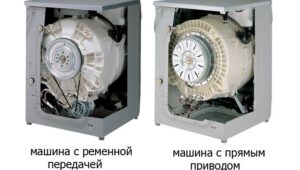
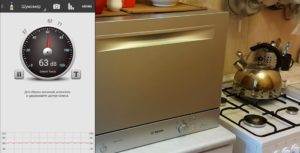
 The typical noise level for washing machines is listed in the documentation that comes with them. For belt-driven appliances, it ranges from 60 to 72 decibels. For direct-drive appliances, it ranges from 52 to 70 decibels. Yes, this is quite audible. It's relatively loud, but not overwhelmingly so. If your machine starts making incredibly loud noise, there's likely a problem.
Why does my washing machine make a lot of noise?
As mentioned above, a loud noise from a washing machine often indicates a malfunction. This can also be due to improper use of this appliance. If a new washing machine makes excessively loud noises when first started, we recommend stopping the cycle and reading the instructions. You may have done something incorrectly.
What else could cause noise?
- You may have forgotten to remove the shipping bolts. This problem usually occurs when installing a washing machine for the first time and without proper experience or instructions. The shipping bolts are used to secure the drum during transport. They are located on the rear of the machine. Before using the machine, remove them and plug the holes with plastic plugs. Plastic plugs are included with the washing machine.
- It's also possible that the washing machine isn't installed correctly. Its feet aren't adjusted. In this case, it may wobble during operation. To solve this problem, you need to adjust them. Adjusting the feet is accomplished by twisting them in one direction or the other.
- Also make sure that the floor under your appliances is level and solid.
The washing machine started making noise recently.
If your washing machine was previously working well but suddenly started making noise during various stages of the wash cycle, it's likely a malfunction. Let's look at the possible causes and how they manifest themselves:
- There is a possibility that cracks have appeared on the body where the machine's feet or shock absorbers are located.
- The drum pulley has become loose. In this case, remove the rear housing cover and tighten the pulley retaining element.
- The engine could also be loose, or the bolts holding it in place could have come loose. If the bolts are loose, you can simply tighten them more securely.
- The shock absorbers could also be faulty. You can buy them at a service center and replace them. Or call a mechanic. They'll do it for you.
- Cracks may have appeared in the washing machine's tank. In this case, the tank will need to be replaced. Doing this yourself is very difficult. And for those who don't like to work hard and tinker with appliances, there's only one piece of advice: call a professional.
- The springs that hold the tank in place could also be broken. These can be replaced.
- The bolts holding the counterweights could have come loose. You can tighten them with a torch.
Loud noise
 If the noise isn't particularly loud during the wash cycle, but when the machine starts spinning, you notice it becoming very noisy and rattling, then the bearings are most likely the cause. To confirm this, you need to turn off the machine. Then Remove all the laundry and try to turn the drum manually a few times. If there's no noise, they're working properly. If you hear a quiet tapping or rumbling sound, it's likely the bearings are indeed faulty. It's also worth checking the drum for play. Here's how:
- First, turn off the washing machine.
- Place your hands on the drum. One on top. The other on the bottom.
- Try pushing it down and up.
If the bearings are seriously worn, you'll notice play of half a centimeter to a full centimeter. With this type of damage, the loudest noise occurs just when the machine begins spinning. This is because this is when the damaged part experiences the greatest stress.
Replacing bearings
To repair a washing machine with this kind of malfunction yourself, you'll need to disassemble it almost completely. You'll need:
- Remove the front panel. To do this, you'll need to remove the cuff, unscrew the locking screws, remove the bottom panel, and the control panel on top.
- Remove the back panel. It's usually very easy to remove; you just need to unscrew the screws holding it in place.
- Remove the heating element and take out the engine. Before removing the engine, remove the belt.
- Disconnect the tank. It is attached by springs and shock absorbers.
- Disassemble the tank. Typically, the tank consists of two halves, held together with bolts. One-piece tanks are also available. Officially, one-piece tanks cannot be disassembled and then reassembled. However, some DIYers cut them apart with a hacksaw. They then reassemble them using screws or bolts and waterproof sealant.
- Knock out the old bearings and replace them with new ones.
- Assemble the car.
In addition to the malfunctions described above, other causes may also be present. For example, the drain pump may make noise. This usually occurs when a foreign object has gotten into it or its bushings are severely worn.
If your washing machine doesn't always make loud noises, there's a chance there's something stuck between the tub and the drum. Typically, this issue is accompanied by a loud, cracking sound. This can occur at different stages of the wash cycle.
This video will tell you what to do if this problem occurs:
The washing machine started squeaking.
If you hear a creaking or whistling sound while your washing machine is spinning, and you notice rubber crumbs on the door seal, the noise is caused by friction between the seal and the drum.
There's a somewhat risky way to fix this problem. You can attach a piece of sandpaper to the edge of the washing machine drum. You can use tape to secure it. The sandpaper should be fine or medium grit.
After this, run the machine on spin. As the drum rotates, the sandpaper will abrade the rubber seal where it contacts the drum. Then, remove the sandpaper and run the machine on rinse cycle to remove any rubber dust from the inside. After this, you can begin washing. The machine should stop squeaking.
Interesting:
1 reader comment
Add a comment
Headings
Washing machine repair




For buyers




For users


Dishwasher




My Indesit washes quietly. During the day, I barely notice it amid the city noise, and at night, I don't even turn it on.