
Installing a dishwasher under the sink
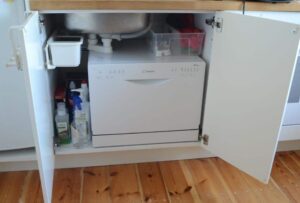 It's a common misconception that installing a dishwasher under the sink is a terrible idea and will end badly. The argument goes that all plumbing lines run under the sink, so there's a high risk of spilling liquid on this complex appliance. While this is true, sometimes this location is necessary when there's simply no other option in the kitchen. We'll explain how to properly install a dishwasher to reduce the risks associated with placing it near water.
What should you pay attention to?
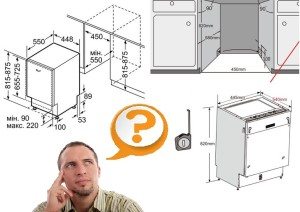
First, calculate the exact dimensions of the sink where you plan to connect to the water supply and sewerage system. Make sure your future "home helper" will fit comfortably in the niche under the sink. Pay attention to a number of details.
- Don't take into account the space taken up by a regular siphon, as it will still have to be replaced with a special one.
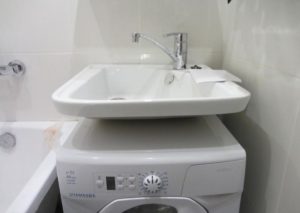
- You need to purchase a flat siphon, which is installed in the same way as a regular one.
- It's best to place the drain hole in a corner so that if a leak occurs, water won't flood your expensive appliances.
- It is better to purchase a siphon with two branches so that you can connect both a washing machine and a dishwasher to it.
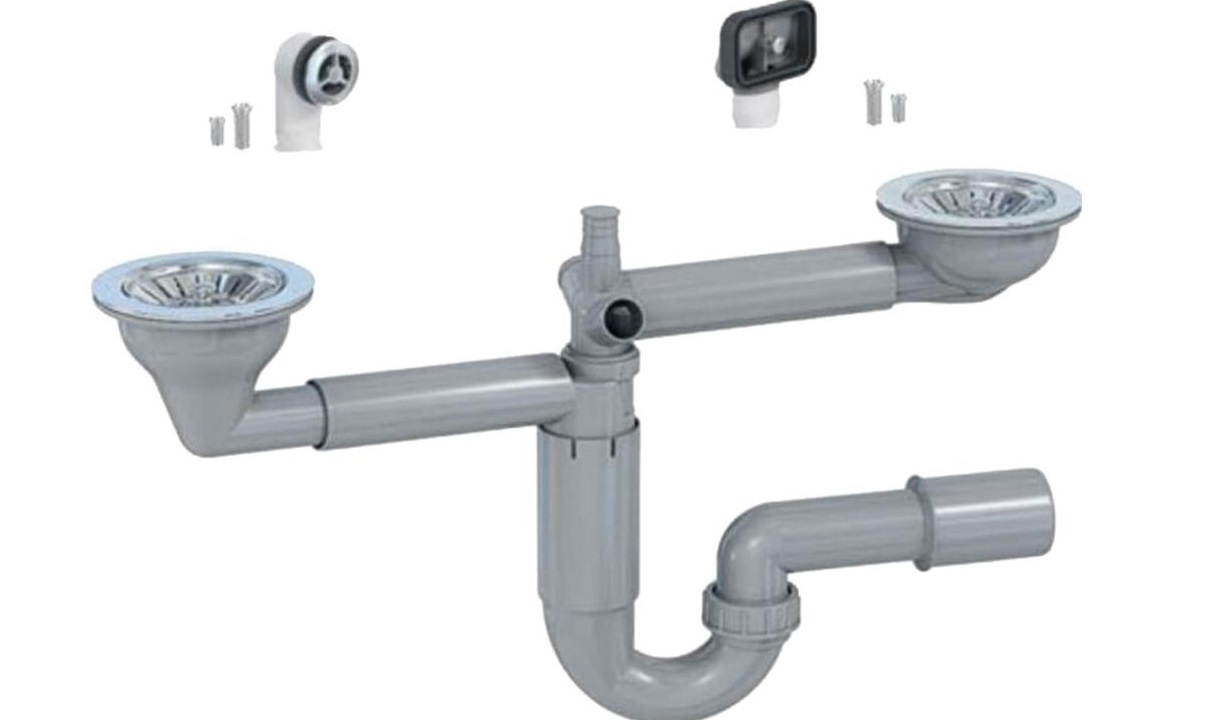
- Connect all hoses strictly in accordance with the installation diagram.
- Be sure to check that the bottom shelf can support the dishwasher and will not break under its weight - otherwise, reinforce the bottom shelf.
These are all the installation details for a freestanding dishwasher. If you need to connect a built-in dishwasher to the water supply and sewer system, you'll need to secure it inside the cabinet or vanity unit using metal fasteners.
After this, all that remains is to take care of the electricity supply, for which there must be an outlet nearby. If there isn't one, don't use an extension cord, as it's dangerous. It's much better to call a professional to install a new outlet right next to your appliance.
Dishwasher installation instructions
Installing a freestanding dishwasher is easy, even for owners without specialized training or experience. For proper installation, all you need is our simple instructions:
- we shut off the water supply;
- clear the cabinet or nightstand of unnecessary items;
- we remove the ordinary siphon;
- we install a flat siphon, which has an additional side outlet;
Be sure to check the siphon connection to ensure that water does not leak and all connections are tight.
- we move the dishwasher to the installation location so that it is easy to connect it to all utilities;
- we connect the drain hose to the side outlet of the siphon, and for reliability we secure it with a construction clamp;
- we find the place where the cold water pipe connects to the branch hose, unscrew the hose and screw the tee tap onto the pipe;
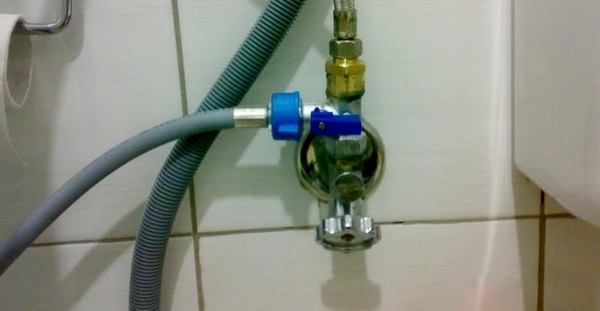
- This is done in order to connect a flow-through filter, which helps combat blockages and also provides a convenient opportunity to clean the filter at any convenient time;
- then we connect the filling hose to the filter, the other end of which we connect to the dishwasher.
At this stage, it is important to carefully check the tightness of all connections to avoid an unpleasant situation with a water leak later.
- Connect the machine to the power outlet and then place it inside a cabinet or table. Move the machine carefully to avoid accidentally damaging the wires or hoses.
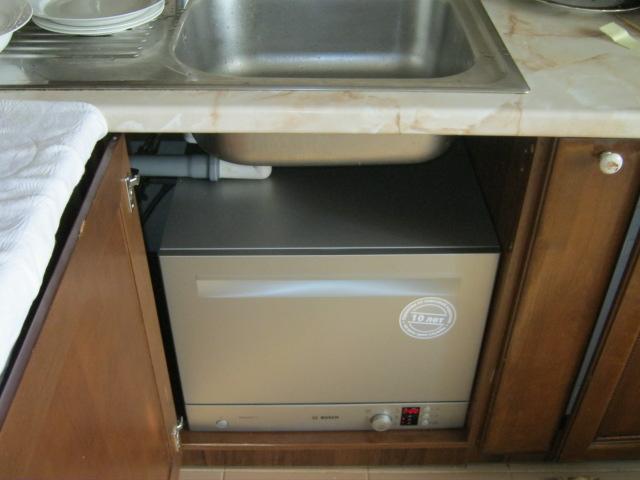
- The final step is a test run without any dishes, which will not only check the device's functionality and correct installation, but also remove any factory dirt and dust from the internal components of the equipment.
The instructions above are for installing a standard dishwasher, so the basic steps should apply to any appliance. Some details may differ for built-in dishwashers or special freestanding models, but in these cases, the official user manual included with any dishwasher will be your guide.
Interesting:



Readers' comments
Headings
Washing machine repair




For buyers




For users


Dishwasher




Add a comment